GINGOOG City — Health advocates are stepping up HIV awareness and testing efforts in Gingoog City after the number of confirmed HIV cases reached 58, including two reported deaths.
Marzita Arango, chairperson of the Gingoog City AIDS Network (GCAN), said the two fatalities were males aged 30 to 38.
But the reported figure may not reflect the actual number of people living with HIV in the city, she said, as some may not have been tested because of fear, shame or concerns about stigma.
Arango urged residents who may have been exposed to HIV to get tested, stressing that early detection allows people to seek treatment and manage the infection.
She also assured residents that HIV testing is confidential and that their personal information and privacy are protected.
Those who test positive are encouraged to begin treatment promptly and follow their prescribed medication.
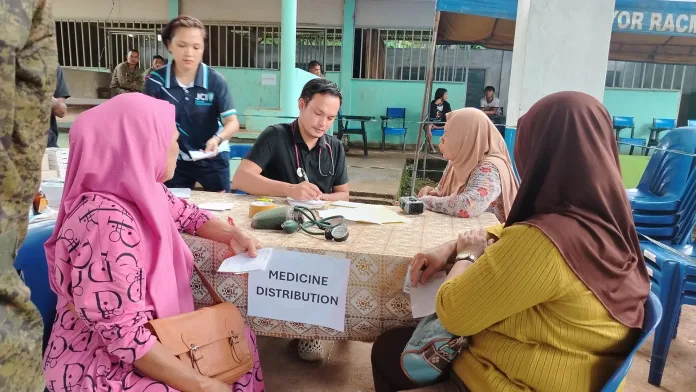
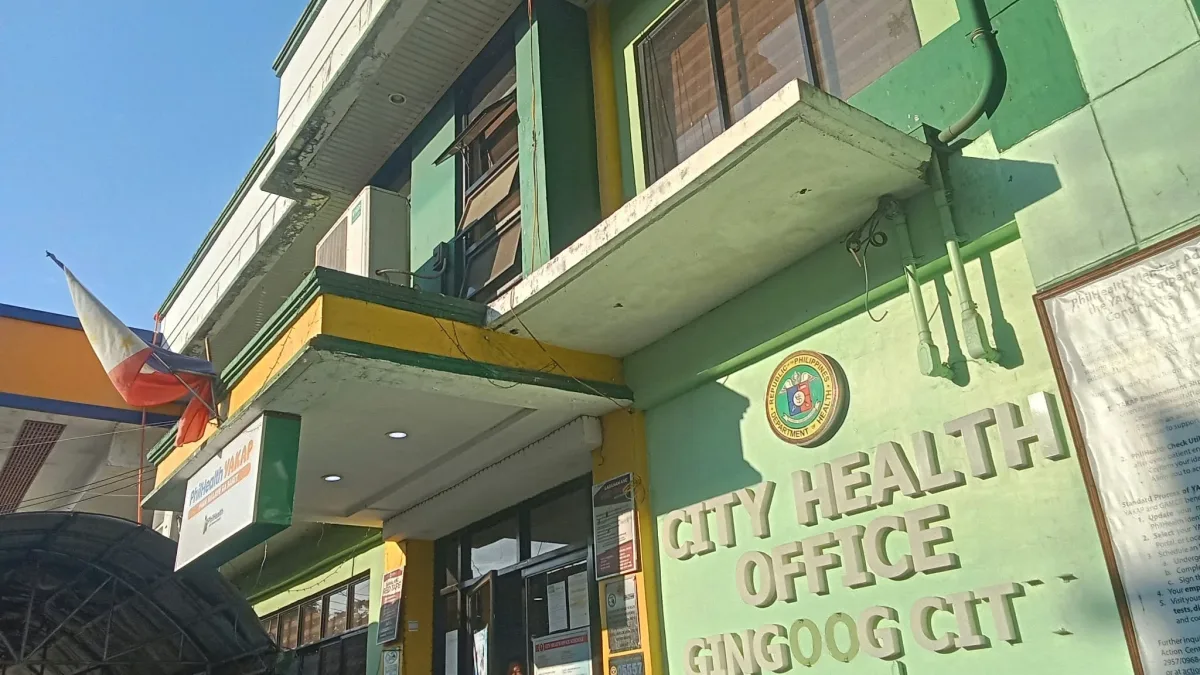
Arango said HIV medicines are available free of charge through the City Health Office.
Beyond testing and treatment, health advocates are also confronting another challenge: discrimination.
Arango appealed to the public to avoid rejecting or shaming people living with HIV, saying they need understanding and support.
Awareness reaches schools, workplaces
The city’s Reproductive Health and Wellness Center (RHWC) is expanding HIV and sexually transmitted infection (STI) education beyond health facilities.
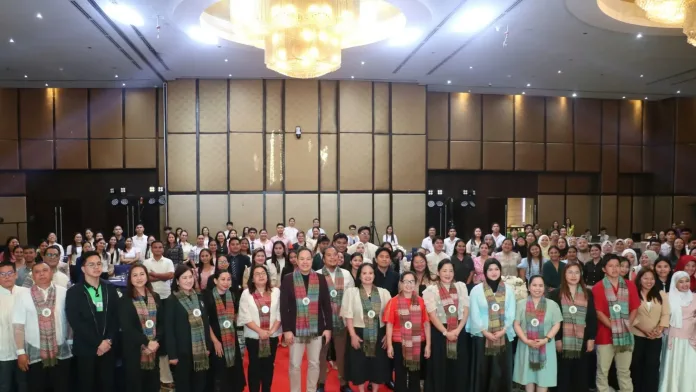
RHWC Coordinator Amalia R. Gomez, who also heads the City Health Office’s Sanitary Inspection Section, said information campaigns are being conducted in schools, barangays, Sangguniang Kabataan offices, companies and government offices.
The campaign is also being incorporated into food handlers training, allowing health workers to reach participants who may otherwise have limited exposure to HIV and STI information.
On Oct. 1, about 300 third-year Entrepreneurship students of Gingoog City United College attended a food handlers class that included discussions on STI, HIV and AIDS.
Gomez said the sessions cover prevention, testing and treatment and are intended to give participants practical information they can use to protect their health.
She said the RHWC will continue taking the campaign to different sectors and communities in the city.
For residents, the challenge is not only getting more people tested but also ensuring that those who test positive can access treatment without fear of discrimination.