CAGAYAN de Oro City — For many Filipino families, eating healthy is not simply a matter of discipline or making better choices.
It's a daily struggle shaped by rising food prices, limited time, and a food system that often puts exports ahead of local dinner tables.
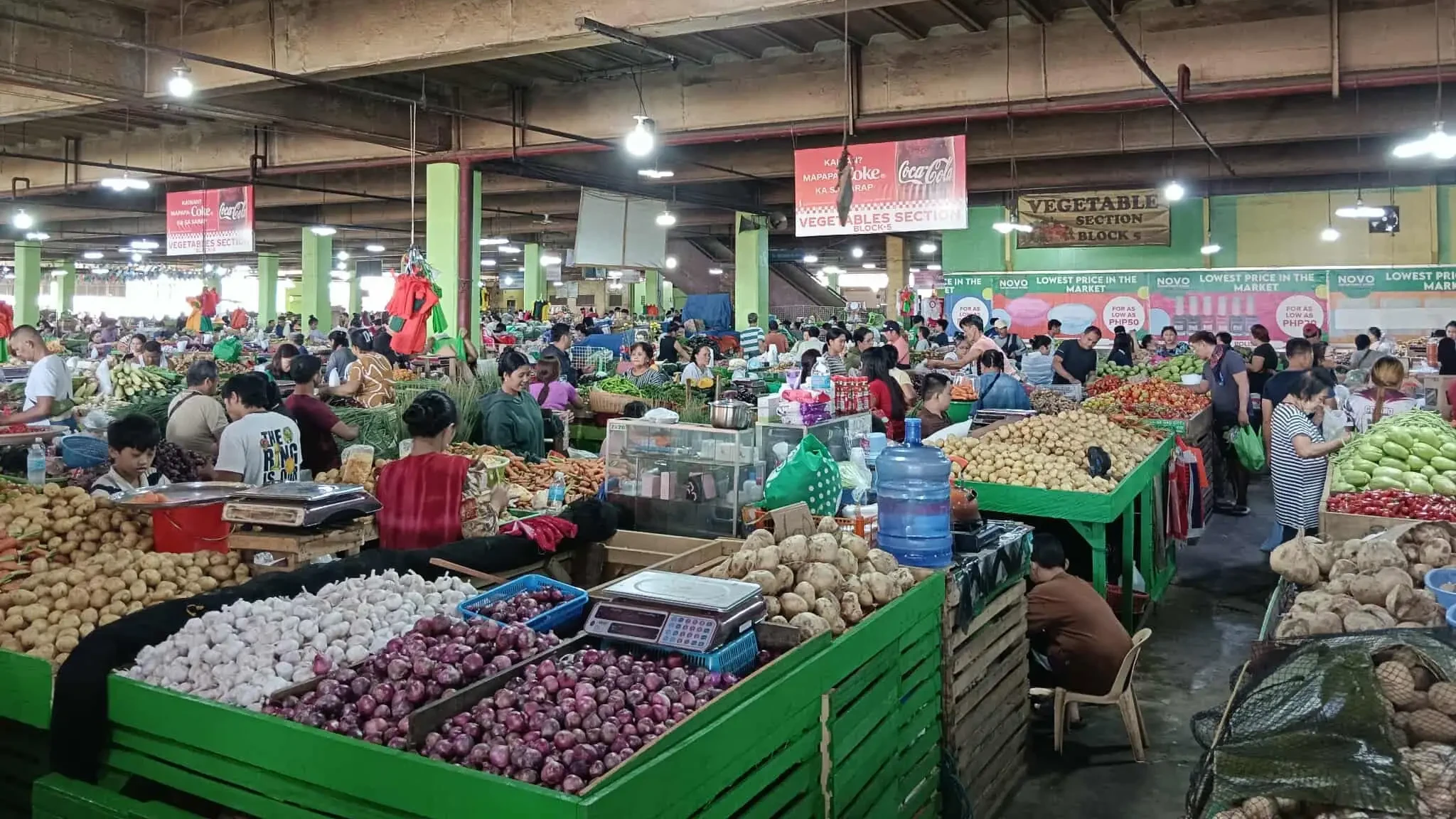
While social media is filled with colorful meal-prep ideas and nutrition advice, many Kagay-anons interviewed said the biggest obstacle to eating healthier is affordability.
Fresh fruits, vegetables, and other nutritious food have become increasingly expensive, making processed and instant meals the more practical option for families trying to stretch their budgets.
Noel Leyco, chief economist at Credit Rating and Investors Services Inc. (CRIS), said the burden falls heaviest on low-income households, where the bottom 30 percent of earners spend more than 60 percent of their income on food.
As prices continue to rise, many families are forced to prioritize filling meals over nutritious ones.
Time is another challenge.
For workers who spend hours commuting and juggling long workdays, preparing fresh meals from scratch is often unrealistic.
Fast, inexpensive processed food becomes the quickest way to feed a family.
The problem, however, extends far beyond household budgets.
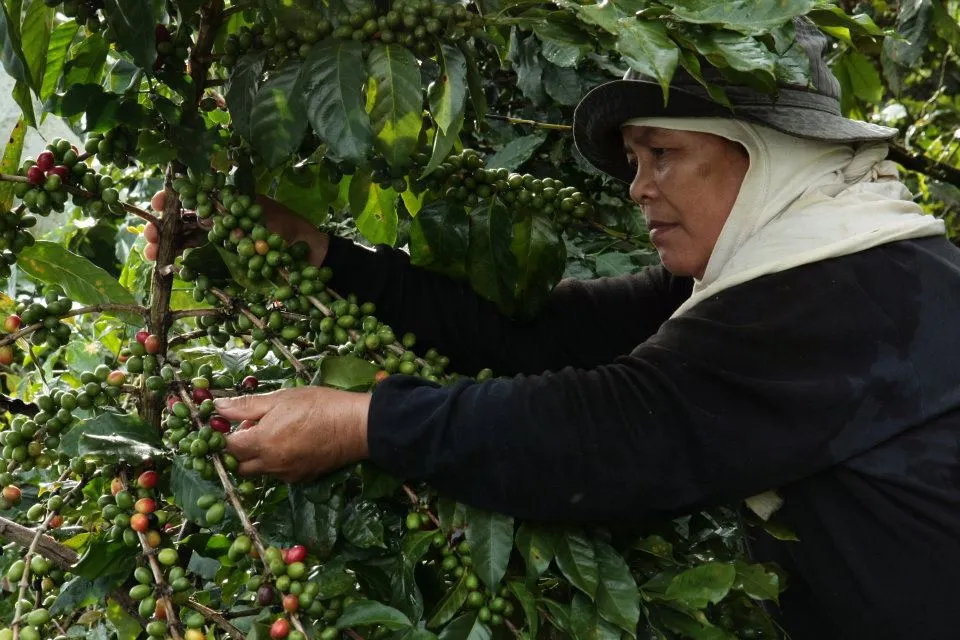
Despite Northern Mindanao producing ₱182.35 billion worth of agricultural output in 2025, Joseph Borja, agronomist with the Cagayan de Oro City Government's Agricultural Productivity Operations Office (APOO), said local farmers currently supply only about 10 percent of the city's food needs.
Instead, much of the region's fertile farmland is devoted to export crops such as bananas, pineapples, and sugarcane.
Borja explained that many farmers enter contracts that encourage them to grow crops for export because these provide income, even though local communities also need food.
"Magtanom siya ug kape, or under contract ang farmer for export para maka-income. Pero dili pwede na mao ra na iyang buhaton. Iyang community pod kay magkaon."
He added that many small farmers remain trapped in arrangements where they receive low farm-gate prices while corporations control transportation, packing facilities, and market access.
The country's food supply also faces growing pressure.
The May 2026 Labor Force Survey showed the agriculture and forestry sector lost more than 900,000 workers in a year. At the same time, declining rice production has pushed the Philippines to rely more heavily on imports, leaving consumers vulnerable whenever global prices rise or disasters disrupt supply chains.
Borja pointed to past crises—including Tropical Storm Sendong, the COVID-19 pandemic, and rising fuel costs—as reminders of how quickly food shortages can affect communities.
"Inig muabot ang panahon na disaster mahitabo, naglisod ang supply sa gulay. Atong COVID, lisod ang transportation, dili kasulod ang pagkaon. Unya karon, crisis sa oil."
The government aims to improve food security through the Philippine Plan of Action for Nutrition (PPAN) 2023–2028, which seeks to strengthen food supply chains and boost local production.
But experts say lasting change will require stronger support for small farmers, fairer market access, and policies that make nutritious food affordable—not only for those who can afford premium grocery prices, but for every Filipino family.
Ultimately, the issue goes beyond personal food choices.
For millions of Filipinos, the real question is no longer whether they want to eat healthy—it is whether they can afford to put enough nutritious food on the table.