CAGAYAN de Oro City — Fear kept Dr. Steffi Grace H. Enon from getting a mammogram for seven months, even though she knew the importance of early detection.
After being diagnosed with stage 0 breast cancer, Enon became a survivor with a message for other women: Do not let fear keep you from seeking medical attention.
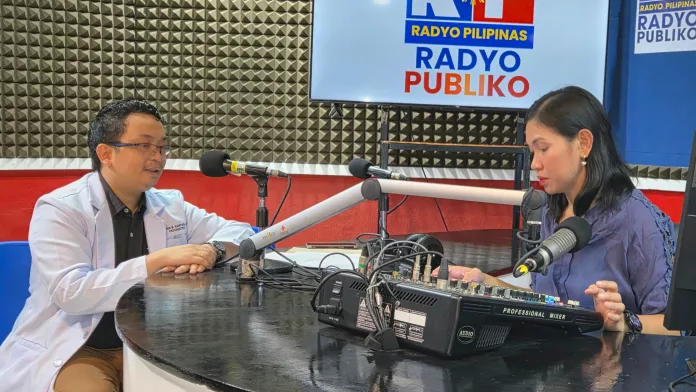
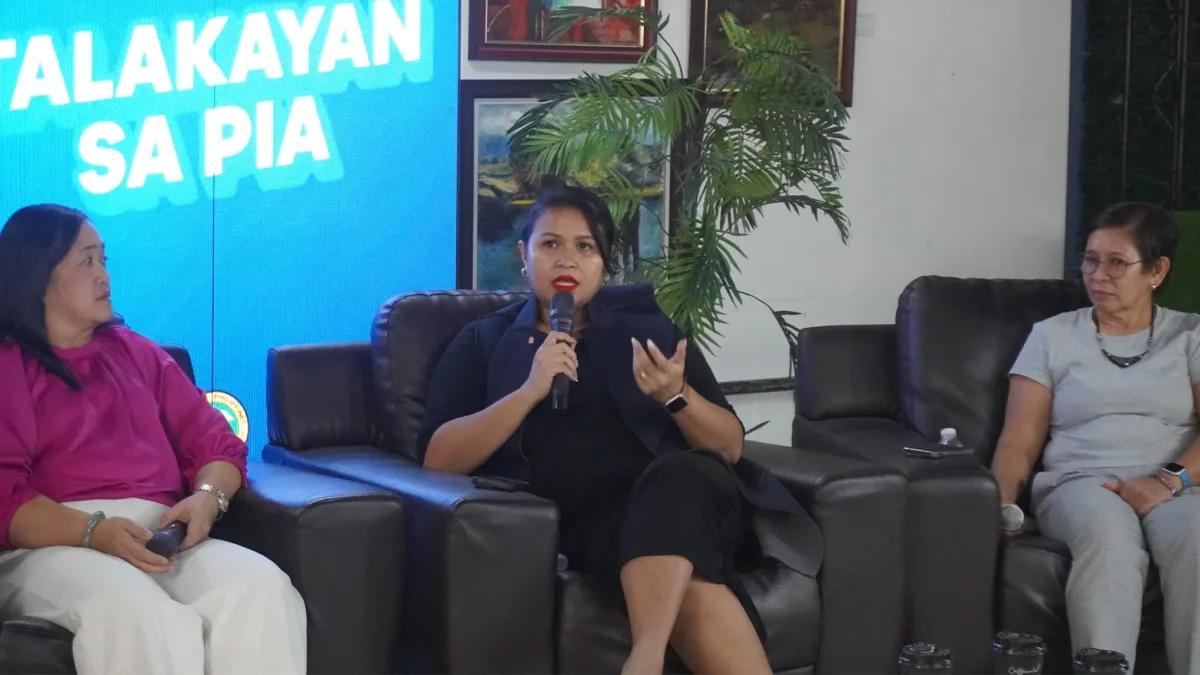
Enon, chief of the Local Health Support Division of the Department of Health Center for Health Development Northern Mindanao, shared her experience during the Oct. 2 episode of Talakayan sa PIA: Konsultayo Series, where she discussed breast cancer risks, warning signs and screening.
“I am a breast cancer survivor; I was diagnosed at stage zero… so screening is very important,” she said.
Her experience highlights how fear and hesitation can delay screening, even among people who understand its importance.
Know your risk
Enon said age, sex, family history and certain inherited genetic changes can affect a person’s risk of developing breast cancer. Other factors, including obesity and alcohol consumption, may also increase the risk.
Breast cancer is more commonly diagnosed among women aged 50 and older, she said.
Enon recalled that obesity, a sedentary lifestyle and being female were among the risk factors relevant to her own experience.
“In terms of risk factors, I was diagnosed as obese, at that time sedentary, and of course female,” she said.
Breast cancer can affect people with different lifestyles and medical histories, making awareness and appropriate screening important.
Don’t let fear delay screening
Enon said she put off her mammogram for seven months because she was afraid, despite understanding why the test mattered.
“If fear is keeping you from scheduling a check-up, acknowledge that fear, lean on your partner or family for support, but get tested anyway,” she said.
She encouraged women to seek support from loved ones and health professionals if anxiety makes it difficult to schedule a check-up.
Although early detection does not guarantee a particular outcome, finding breast cancer before it advances can improve treatment options and outcomes.
Watch for changes
Enon discussed breast self-examination as a way for women to become familiar with their bodies and recognize changes that may need medical attention.
For women who menstruate, she recommended checking their breasts seven to 10 days after their period begins, when hormonal changes may cause less tenderness or swelling.
Warning signs include a new lump or thickening in the breast or underarm, changes in breast size or shape, skin dimpling or redness, unusual nipple changes, and unexpected nipple discharge.
“Lumps, whether painful or not… breast pain or nipple pain, skin changes… so those are the things you watch out for,” she said.
However, self-examination does not replace recommended screening or clinical assessment. Women should consult health professionals about appropriate screening based on their age, risk factors and medical history.
Take the first step
Enon urged women to seek medical advice rather than wait for symptoms to worsen or their fears to disappear.
She encouraged them to become familiar with their breasts, discuss health concerns with trusted people and seek professional evaluation if they notice unusual changes.
Her experience as a survivor serves as a reminder that acting despite fear can be an important step toward timely diagnosis and treatment. (With a report from Rushen Mae N. Dacera/PIA-10)