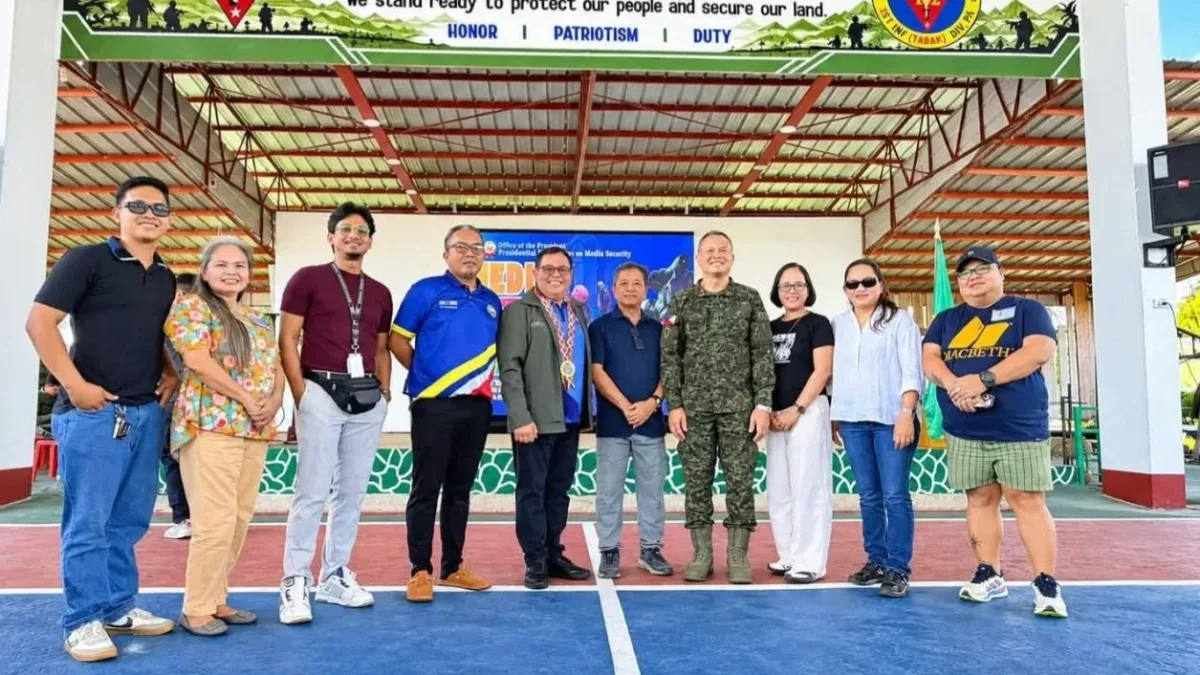
IPIL, Zamboanga Sibugay — Journalists covering armed conflict, natural disasters and emergencies need stronger safety training and coordination with security forces, officials said during a two-day media safety workshop in this town.
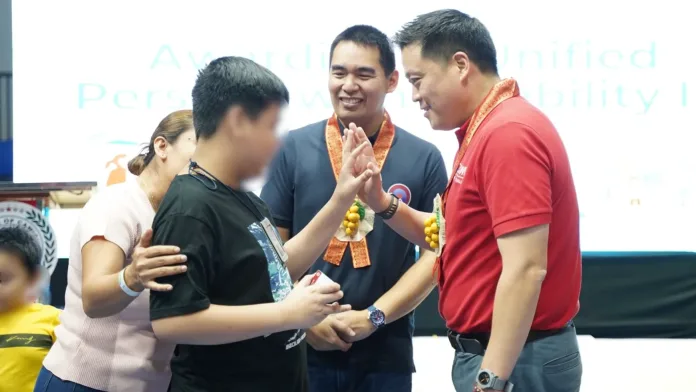
The Nov. 5–6 workshop, held at the headquarters of the Army's 102nd Infantry (Igsoon) Brigade, brought together military and media representatives to discuss journalist protection, press freedom and responsible reporting.
Brig. Gen. Samuel G. Yunque, brigade commander, said the military and media may have different responsibilities but share a common duty to serve the public.
"We may have different responsibilities, but we serve the same people and the same country," Yunque said in his message of support.
He recalled the security challenges faced by the Zamboanga Peninsula in the 1990s, saying the region had since undergone changes through years of sacrifice, cooperation and efforts to establish peace and stability.
Yunque said these gains should be protected through continued cooperation among government institutions, the military, media organizations and the public.
He also stressed that journalists must exercise press freedom responsibly and remain accountable to the people they serve.
Media protection
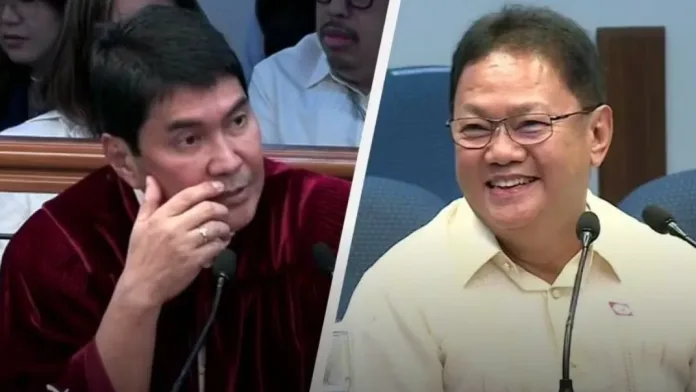
Presidential Task Force on Media Security (PTFoMS) head Jose A. Torres Jr. welcomed Yunque's remarks, particularly his recognition of press freedom and the media's role in society.
Torres described the general's message as among the most sincere and encouraging statements he had heard from a government official or military officer.
He even requested a copy of Yunque's speech for wider dissemination on social media, including through the Philippine Information Agency.
Torres said the administration of President Ferdinand Marcos Jr. supports initiatives to improve journalist safety, particularly for provincial media workers whom he described as among the most vulnerable.
He recalled that when Marcos appointed him in 2024, the President instructed him to look after media practitioners, especially those working outside major urban centers.
According to Torres, PTFoMS continues to conduct training workshops to help journalists develop the knowledge and practical skills needed to protect themselves while covering dangerous situations.
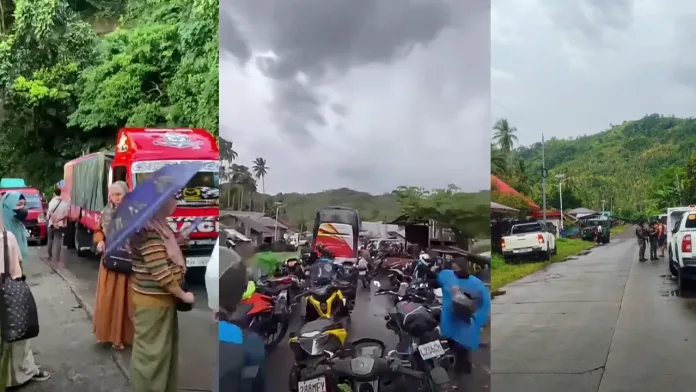
He said the changing media landscape, including online journalism, conflict reporting and disaster coverage, has brought new risks that journalists must learn to manage.
Torres compared continuous training to the preparation required of athletes and soldiers, saying skills must be regularly developed to prepare for difficult situations.
He also used the example of nurturing and pruning plants to explain how growth requires proper care, guidance and adjustments.
Journalists who enter emergencies or dangerous areas without adequate preparation, he said, face greater risks.
Preparing journalists for risks
The two-day workshop aimed to strengthen the capacity of journalists covering conflict-affected communities and disaster-prone areas.
It also sought to improve coordination and understanding between media practitioners and security forces while recognizing their distinct responsibilities.
The discussions highlighted the importance of protecting press freedom, respecting the media's role and upholding the public's right to information.
Officials said cooperation among government institutions, security forces and the media remains important in promoting peace, public safety and democracy.