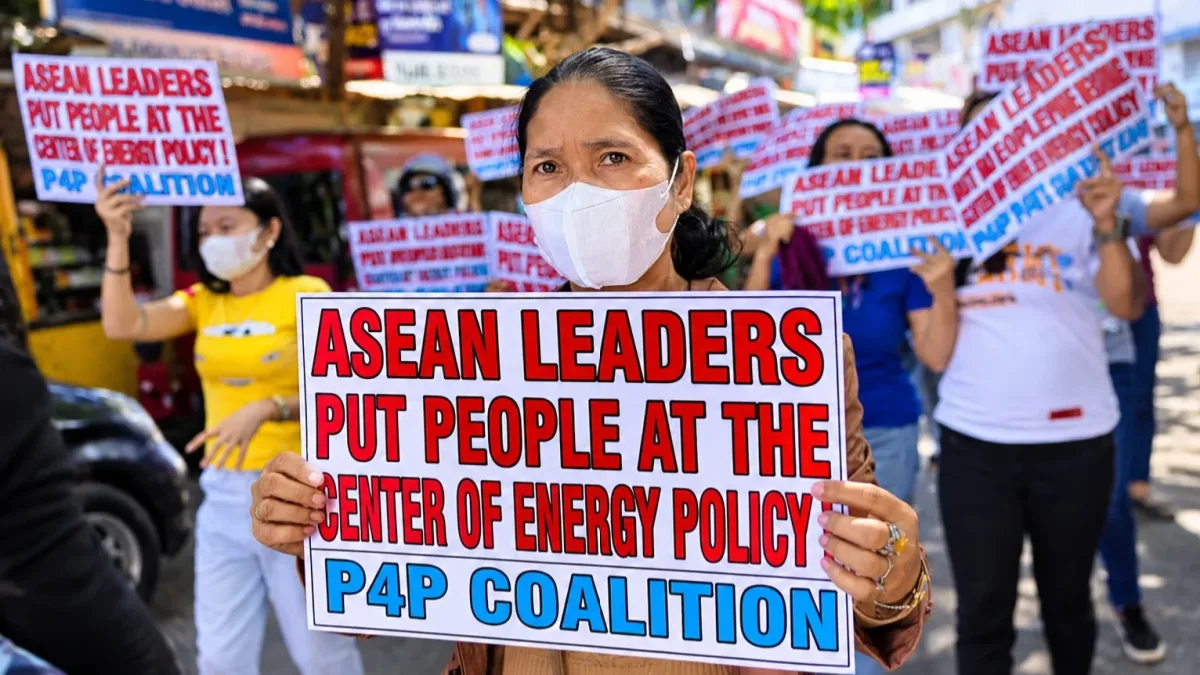
As rising fuel costs and possible food shortages threaten household budgets and workers’ livelihoods, the Federation of Free Workers (FFW) is urging Southeast Asian leaders to agree on concrete measures to protect families during emergencies.
The labor group made the call as ASEAN leaders meet in Manila, asking them to prepare ways to share fuel during shortages, ensure rice reaches families during emergencies, and give workers a stronger voice in regional decisions.
“You can’t cook a communiqué or fuel a jeepney with a declaration. Before our guests leave Manila, let’s settle two questions every family understands. When rice runs short, how soon can we open the warehouses? When fuel runs short, how do we keep the jeepneys running?” FFW president Atty. Sonny Matula said.
The group said conflict in the Middle East could threaten fuel supplies, while severe weather could put harvests at risk.
It urged ASEAN member states to complete the ratification of the ASEAN Framework Agreement on Petroleum Security and prepare emergency fuel-sharing procedures. It also called for faster releases from the ASEAN Plus Three Emergency Rice Reserve when food supplies are threatened.
For workers, the FFW said regional cooperation should also mean having a direct voice in decisions that affect their jobs and welfare.
Liza Subayno-Roa, a law student and president of the Philippine Sinter metalworkers’ union, called for stronger ties among trade unions in ASEAN and the creation of a formal trade union council with regular access to regional leaders.
“Employers and their business have a standing invitation. Workers, particularly women workers, shouldn’t need a megaphone or placard outside the summit just to join the conversation. Give unions a seat, and make room for women to lead the delegation,” she said.
The FFW also raised concerns about fraudulent online recruitment and the trafficking of workers into scam centers.
Marion Canale of the Ateneo de Davao Non-Teaching Employees Union–FFW and a member of the FFW Governing Board said workers need easier ways to verify job offers and seek help when they are recruited into abusive or illegal operations abroad.
“A recruiter can reach a worker in Davao with one click. Getting help across a border should be just as easy. Give workers a quick way to check a job offer, rescue those already trapped, and go after the syndicates,” Canale said.
The group also called on ASEAN leaders to support the International Labour Organization’s 2025 resolution on Myanmar under Article 33 of the ILO Constitution and push for the release of detained trade unionists.
Matula said workers must be protected not only in times of economic crisis but also when they exercise their right to organize.
“In Manila, we’re asking for a seat at the table. In Myanmar, workers are asking to come home alive from a union meeting. ASEAN leaders must stand with them. No one should face a bullet for organizing a union,” he said.
The FFW’s appeal puts a practical question before ASEAN leaders: Will their regional commitments lead to measures that workers and families can actually rely on when fuel, food and jobs are at risk?