GINGOOG City — A local animal welfare group is working with the city veterinary office to find adoptive homes for unclaimed impounded dogs, while a city councilor is calling for stronger public education on rabies prevention and responsible pet ownership.
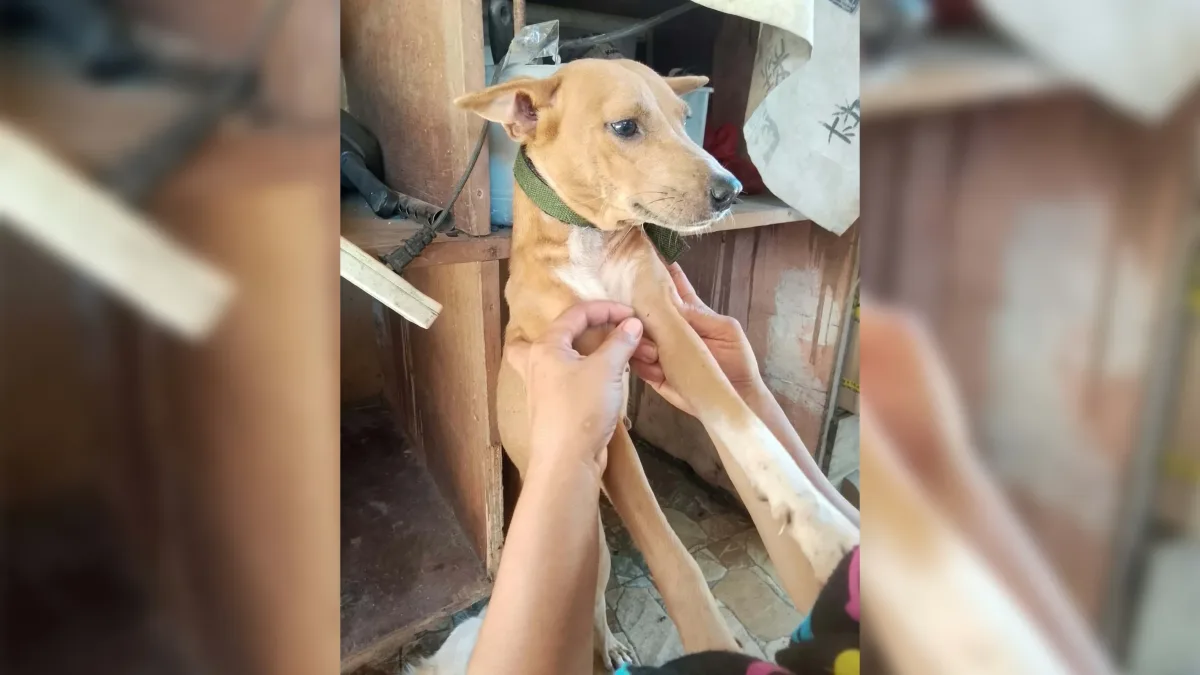
Gingoog Animal Defenders, which marked its second anniversary on Oct. 24, helps rescue stray dogs and find families willing to adopt animals that remain unclaimed, according to City Councilor Maria Johanna A. Motoomull, one of the group’s co-founders.
But adoption is not an option for every impounded dog, City Veterinarian Dr. April Zea B. Anino said, particularly animals with severe, highly contagious illnesses that could spread to other animals or people.
Anino, who was recently appointed city veterinarian, said no impounded dogs with severe illnesses had been recorded during her tenure so far.
She confirmed that City Ordinance No. 2008-197 remains in effect. Section 9, Paragraph 9.4 provides for the humane euthanasia of unclaimed impounded animals using accepted procedures.
Arturo Lumandas, a City Veterinary Office employee, said the office had previously set an annual target of euthanizing 700 unclaimed dogs through injection, although the actual number was 400 or fewer each year.
Anino said impounded dogs are held for three days to give owners time to claim them. Those that remain unclaimed may then be turned over to Gingoog Animal Defenders, provided they meet the applicable health requirements.
Before turnover, the dogs must be vaccinated and dewormed to help prepare them for adoption, she said.
The arrangement offers an alternative for eligible unclaimed dogs, although the ordinance allowing euthanasia remains in force. The city veterinary office has not provided figures on how many dogs have been adopted through the group or how many are still euthanized annually under the current arrangement.
Councilor calls for wider rabies awareness
Motoomull also urged the City Health Office’s anti-rabies team to strengthen information campaigns, saying some residents remain inadequately informed about rabies prevention and responsible pet care.
She said relying on barangay assemblies and similar activities may not reach residents who do not attend, and called for information campaigns that bring guidance directly to communities.
Rabies is a preventable viral disease that is almost always fatal once clinical symptoms develop.
Vaccinating dogs and other at-risk animals, promptly washing bite wounds, and seeking medical assessment after possible exposure can help prevent infection.
Residents should seek immediate medical advice after an animal bite or scratch rather than wait for symptoms to appear.
The city’s adoption efforts and proposed awareness campaign address two concerns: the welfare of unclaimed animals and the need to protect people from rabies.
Their impact will depend on implementing animal health safeguards, providing access to vaccination and public information, and ensuring enough suitable homes for dogs awaiting adoption.