ILIGAN City— Discrimination did not stop Ahezel Llanes from pursuing her dreams. Instead, it strengthened her resolve to help Indigenous children get an education and bring basic health services closer to remote communities.
Llanes, a Higaonon youth leader and nursing student at Adventist Medical Center College, now leads community efforts through Hiliganon (Higaonon Iliganon), a youth organization founded in Barangay Rogongon that brings together Higaonon, Maranao and Christian youth.
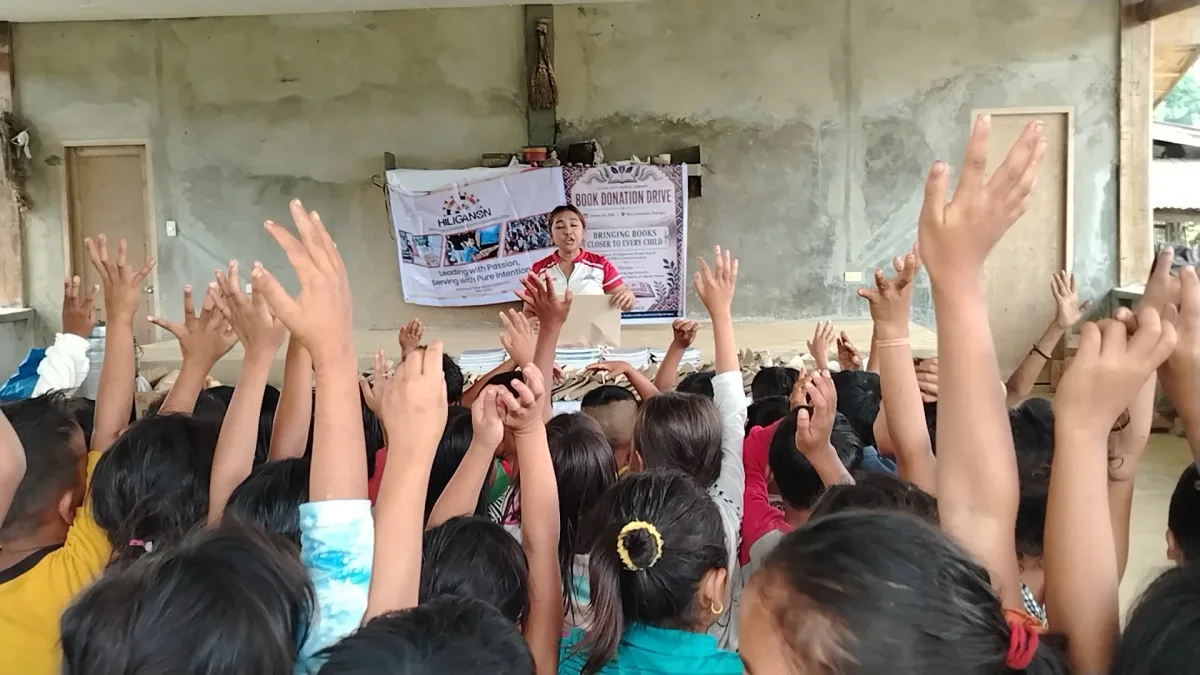
The group supports Indigenous learners and other children in underserved communities through education assistance, while its health outreach brings volunteers to areas where access to medical services can be difficult.
For Llanes, the work is personal. She knows what it feels like to be judged because of her Indigenous identity, having experienced discrimination during her childhood.
“I want to serve here. As long as I can help, even if I am not paid, I am willing,” she said, describing her dream of becoming a doctor and serving communities such as Rogongon.
Helping children stay in school
One of Hiliganon's main initiatives is “Duyog Kinanao,” which means “Learn Together.” Established in 2023, the program provides school supplies and other assistance to children who need support.
Llanes said the initiative reached 736 Indigenous learners and Maranao students during its previous school-supply distribution.
On October 24, the group extended its assistance to learners in Sitio Limunsudan, also in Barangay Rogongon, reaching children beyond its original target beneficiaries.
For the organization, the effort is about making education more accessible and ensuring that children from different cultural backgrounds have opportunities to learn.
Bringing health services closer
Hiliganon's work also extends beyond education.
As a nursing student, Llanes invites fellow students and friends to join community visits, where volunteers check residents' blood pressure and provide basic health education, including guidance on healthy eating and everyday health practices.
The outreach is particularly important in remote communities, where distance can make it difficult for residents to reach health facilities.
Although the volunteers have limited resources, Llanes said they do what they can to help residents become more aware of their health and understand when they may need professional medical attention.
She hopes to continue this work after completing her studies, eventually bringing more accessible health services to communities that need them most.
Turning painful experiences into purpose
Llanes' commitment to Indigenous communities grew out of her own experiences with discrimination.
During her elementary years, she recalled being called derogatory names because of her Indigenous identity.
More recently, she heard discriminatory remarks at an Indigenous Peoples' gathering, where someone referred to Indigenous participants as poor.
For Llanes, such comments overlook the dignity, rights and contributions of Indigenous Peoples.
She stressed that farming and other traditional livelihoods should not be treated as signs of inferiority or a lack of ability. Indigenous communities also have the right to protect their ancestral domains and preserve their cultural identity.
Rather than allowing these experiences to discourage her, Llanes said they strengthened her determination to stand up for Indigenous rights and encourage young people to continue their education.
As a child, she dreamed of becoming a teacher or lawyer so she could defend Indigenous Peoples and their ancestral lands.
Her mother and grandmother helped shape that ambition by teaching her the importance of protecting their ancestral domain.
She eventually pursued nursing when an opportunity to study became available, seeing it as another way to help address the needs of her community.
Her next goal is to become a doctor through a program that would allow her to continue her medical education and eventually serve underserved communities.
Keeping young people connected to their roots
Llanes also wants Indigenous youth to see that they can pursue professional careers without abandoning their cultural identity or their communities.
She believes the growing number of Indigenous professionals shows what young people can achieve when given opportunities to study and develop their skills.
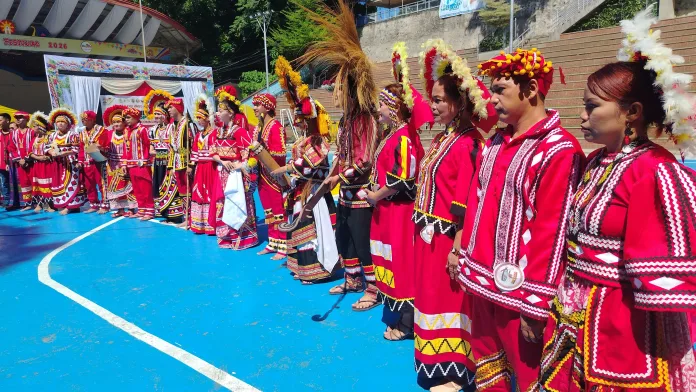
Hiliganon is also involved in Iligan City's Higaonon cultural initiatives, including the “Kag-amul-amul hu Banwa” celebration.
Youth representatives have participated in the core team and technical working group supporting activities for the Indigenous community.
For Llanes and her fellow volunteers, education, health outreach and cultural participation are connected by a common purpose: giving young people a chance to shape their communities' future.
Her hope is that more Higaonon youth will overcome discrimination, pursue their ambitions and return what they have learned to the communities that helped shape them.