ILIGAN City — More communities in Northern Mindanao could benefit from Kauswagan's approach to peacebuilding, which combines food security, organic farming, livelihood programs and good governance.
The Department of the Interior and Local Government (DILG)-10 and the From Arms to Farms Foundation, Inc. (FATF) have prtnered to help other local government units (LGUs) learn and adopt the model.
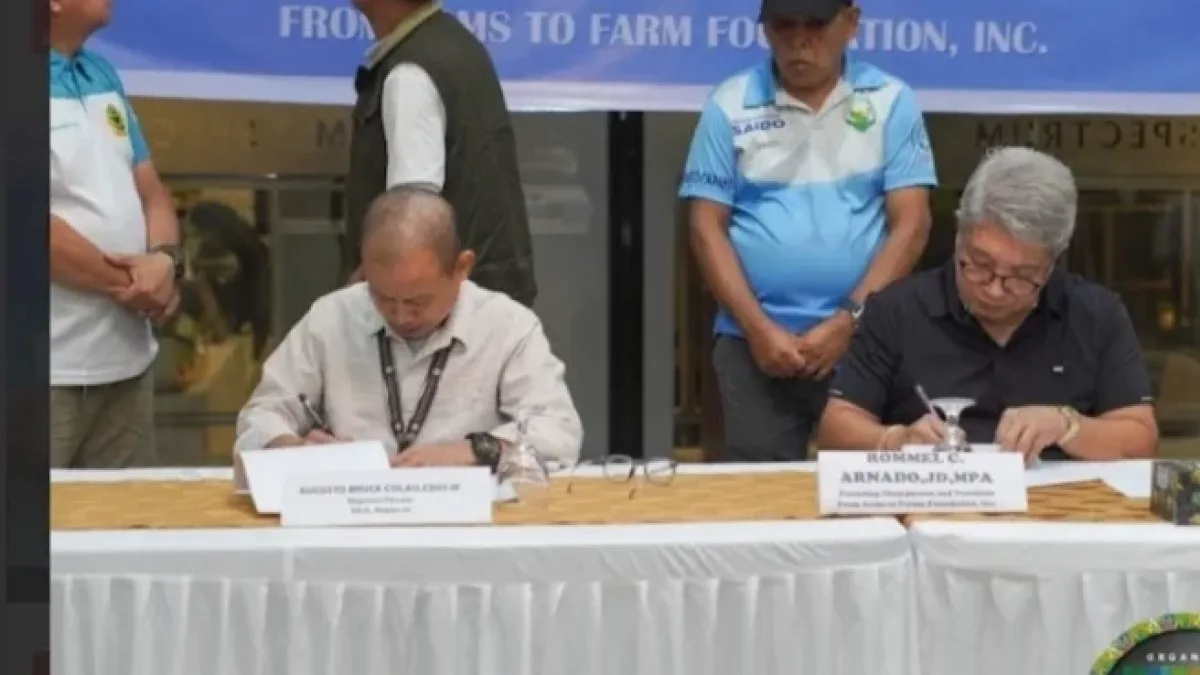
The two institutions formalized the partnership through a Memorandum of Agreement (MOA) signed on Nov. 23 at Seaside Spectrum Hotel and Restaurant in Kauswagan, Lanao del Norte.
DILG-10 Regional Director Bruce Augusto Colao and Kauswagan Vice Mayor Rmmel C. Arnado, who also chairs and heads the foundation, signed the agreement.
Colao said the partnership would allow other LGUs and communities to learn from Kauswagan's experience in addressing local problems through peace and development programs.
“What we are seeing here is the possible replication of good practices with other local governments and communities across the region,” Colao said.
He stressed the importance of linking peace and security efforts with development, organic agriculture and good governance.
Arnado said the agreement would expand the reach of From Arms to Farms, an initiative launched in Kauswagan in 2012.
“Signing this memorandum of agreement with DILG will expand the work and the horizon of the program and the Foundation,” he said.
Arnado said the Kauswagan experience showed how addressing problems at the community level could help resolve wider issues affecting peace and development.
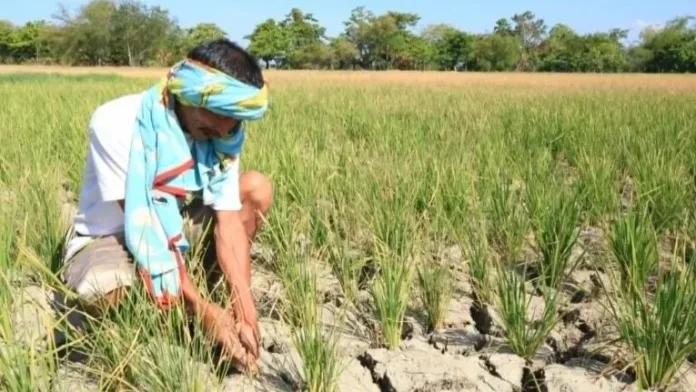
He cited hunger and poor delivery of basic government services as among the factors that contribute to conflict.
According to the foundation's research, food insecurity emerged as a major factor linked to conflict, highlighting the need to ensure that communities have access to food, basic services and sustainable sources of income.
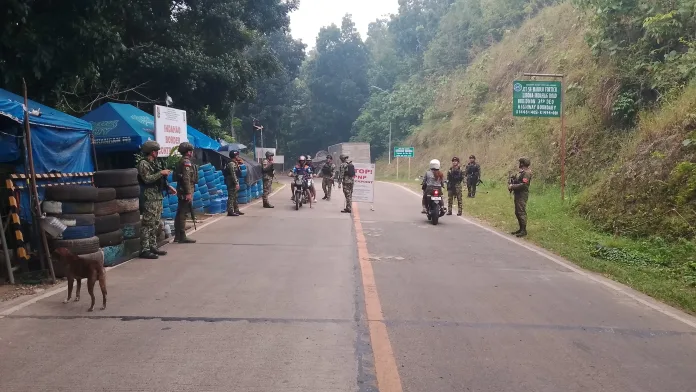
From Arms to Farms began in 2012 by engaging former members and leaders of the Moro Islamic Liberation Front (MILF) and Moro National Liberation Front (MNLF), along with their families and nearby communities, in farming, livelihood and peacebuilding activities.
The foundation was later established to sustain these efforts and help former combatants become active partners in community development through organic farming and livelihood programs.
Under the agreement, DILG-10 and the foundation will work together in seven areas: peacebuilding and social cohesion; food security and sustainable agriculture; local governance and institutional development; knowledge management; resource mobilization; research and policy advocacy; and monitoring and evaluation.
They will also document Kauswagan's experience, prepare learning materials, conduct training activities and organize study visits for LGUs interested in adopting the model.
DILG-10 will provide technical assistance on local governance, peace and order, and institutional development. The foundation, meanwhile, will share its experience in community engagement, organic agriculture, food security and livelihood development.
The agreement also allows the creation of a Joint Coordinating Committee to prepare work plans, coordinate activities and monitor the partnership's progress.
For Kauswagan, the partnership offers a way to share its experience with other communities and show how addressing hunger, creating livelihoods and improving public services can support lasting peace.