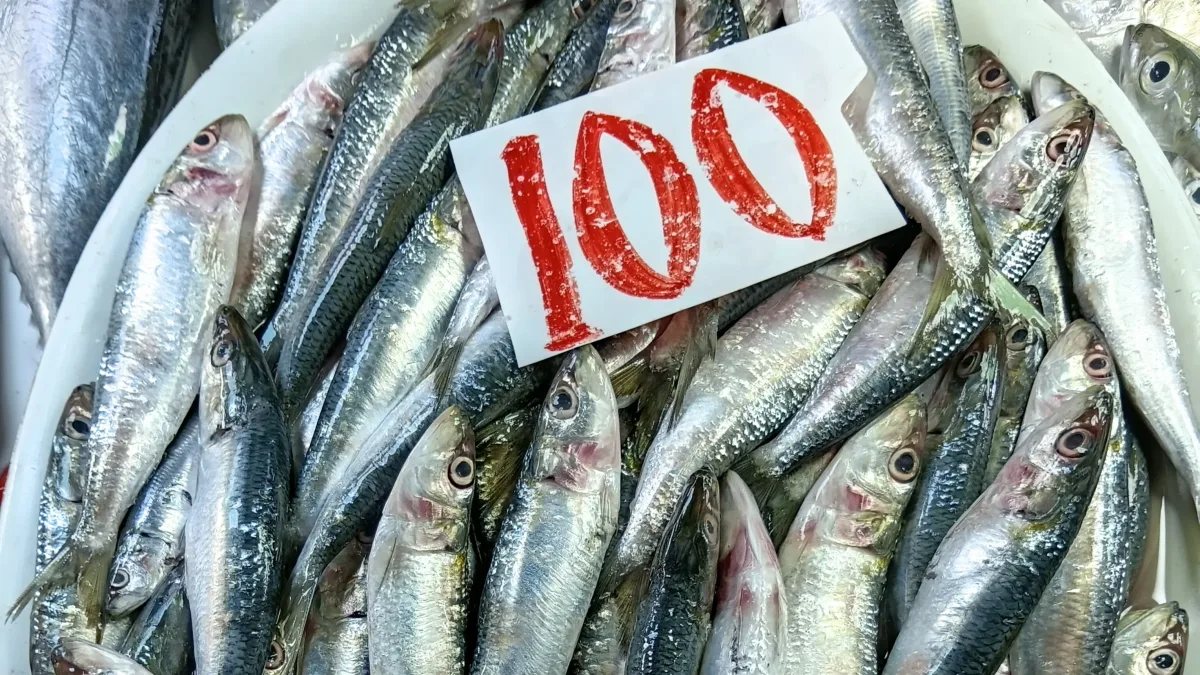
MEDINA, Misamis Oriental — Residents may soon see tighter restrictions on sardine fishing as the local government moves to protect dwindling tamban stocks and bring back the fish supply in local markets.
Tamban, which used to sell for as low as ₱5 to ₱20 per kilogram, now costs between ₱100 and ₱120 per kilogram, according to Councilor Arthur M. Cahoy.
Cahoy said the proposed Medina Municipal Sardine Conservation and Closed Fishing Season Ordinance had reached its second reading during the Sangguniang Bayan session on November 24.
The proposed measure seeks to ban sardine fishing in designated areas of Medina's municipal waters every year from December 1 to March 1. The three-month closure is intended to give sardines time to reproduce and replenish their population.
The proposal supports a similar fishing ban issued by the Bureau of Fisheries and Aquatic Resources (BFAR) under Fisheries Administrative Order No. 278, Series of 2026.
The BFAR order covers nine bays under Fisheries Management Area 9, including Macajalar Bay and Gingoog Bay. It prohibits the use of specified fishing gears to catch sardines from December 1, 2026, to March 1, 2027, while allowing other fishing activities not covered by the restriction.
Medina Sangguniang Bayan Secretary Edan Mark Vosotros said the local ordinance would complement the national fishing restrictions.
During a public hearing at the Medina Public Market on November 20, fisherfolk, fish vendors and market stallholders raised concerns about how the fishing ban could affect their income.
They also discussed allowable catches, prohibited fishing methods and penalties for violations.
One proposal was to exempt hook-and-line fishing, allowing fisherfolk to catch up to two kilograms of tamban for household consumption, provided the fish would not be sold.
Rogelio Gutierrez, a fisherfolk member from Purok 5, South Poblacion, supported the proposed measure, saying it could help restore sardine stocks and improve future catches.
But he stressed the need for government assistance to help affected fisherfolk earn a living while the fishing ban is in effect.
The proposed ordinance also seeks to protect young sardines, regulate fishing methods and strengthen monitoring of fishing activities.
It would restrict the catching, possession, transport, buying and selling of sardines during the closed season. Vendors and traders may also be required to prove that sardines brought in from other areas came from legal sources.
The measure provides for livelihood assistance and other support for affected fisherfolk, subject to available local funds. It also sets penalties for violations.
If approved, the ordinance would put local fishing communities under tighter rules while giving sardines time to reproduce.
For fisherfolk and consumers, the challenge is to protect the fish supply without leaving families who depend on fishing without a source of income.