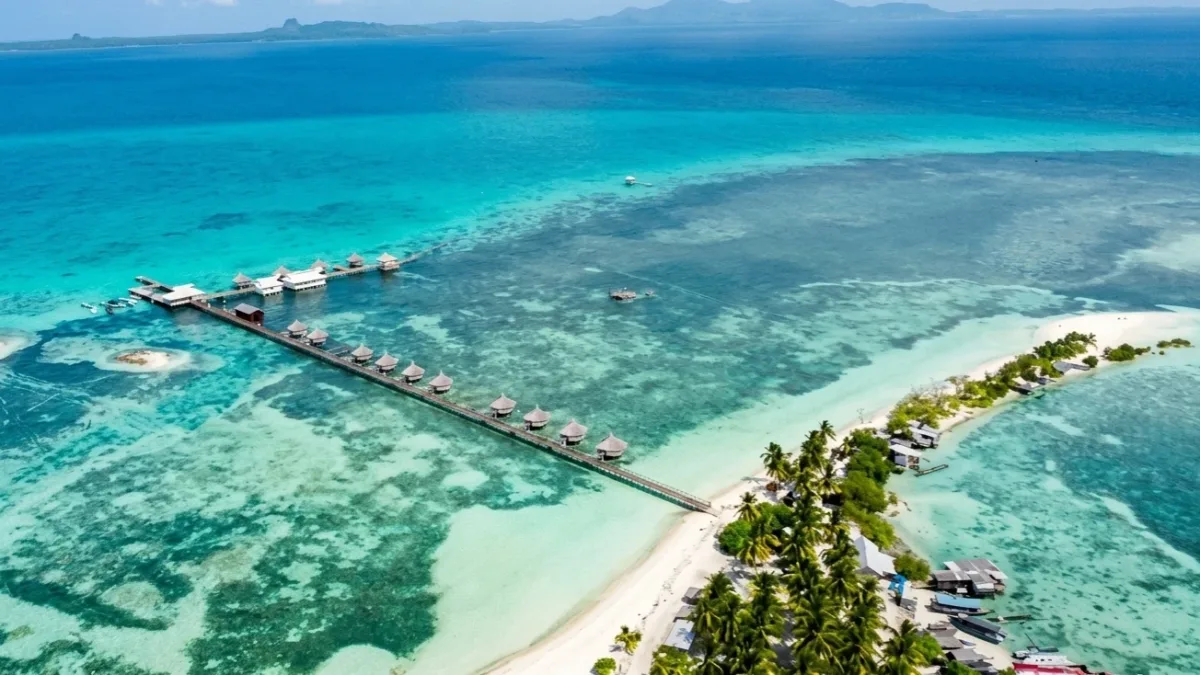
CAGAYAN de Oro City — A new Department of Tourism (DOT) strategy is looking to make more Mindanao destinations accessible to domestic and foreign travelers by expanding air links, improving digital services and strengthening infrastructure in tourism areas.
The strategy puts greater focus on destinations outside the country’s traditional tourism gateways, including sites in Northern Mindanao, SOCCSKSARGEN and the Davao Region.
Tourism officials are looking at wider air connectivity as one way to bring visitors closer to regional destinations.
Davao’s Francisco Bangoy International Airport remains a key international gateway to Mindanao, while proposed and newly established routes could provide travelers with more options for reaching destinations across the island.
The DOT is also working with other government agencies on measures aimed at making travel more convenient, including efforts related to visa access and entry procedures.
For small tourism businesses, the strategy also puts emphasis on digital tools.
Micro, small and medium enterprises (MSMEs), including homestays, tour operators and local handicraft businesses, are being encouraged to use digital payments and online booking platforms to reach more customers.
Partnerships with private digital companies could help tourism enterprises accept cashless payments and connect with online travel platforms.
Infrastructure remains another concern, particularly in remote tourism destinations where internet and mobile connectivity can be limited.
The government is working with telecommunications and infrastructure partners to improve connectivity in underserved areas, while public Wi-Fi projects are also being expanded.
The strategy also includes tourism workforce development, with training and job programs aimed at preparing local workers for tourism-related jobs.
Security is another component, with the DOT coordinating with law enforcement agencies on measures intended to improve visitor safety in key destinations.
For Mindanao tourism operators, the changes could mean more opportunities to reach travelers directly as connectivity, digital access and infrastructure improve.
The broader goal is to make more of Mindanao’s destinations accessible while allowing local businesses and communities to participate more directly in tourism activity.