CAGAYAN DE ORO CITY— A month-long dry run of Cagayan de Oro's revised traffic scheme has begun, with commuters using provincial public utility vehicles (PUVs) expected to make additional transfers as the city tests the implementation of a long-delayed traffic ordinance.
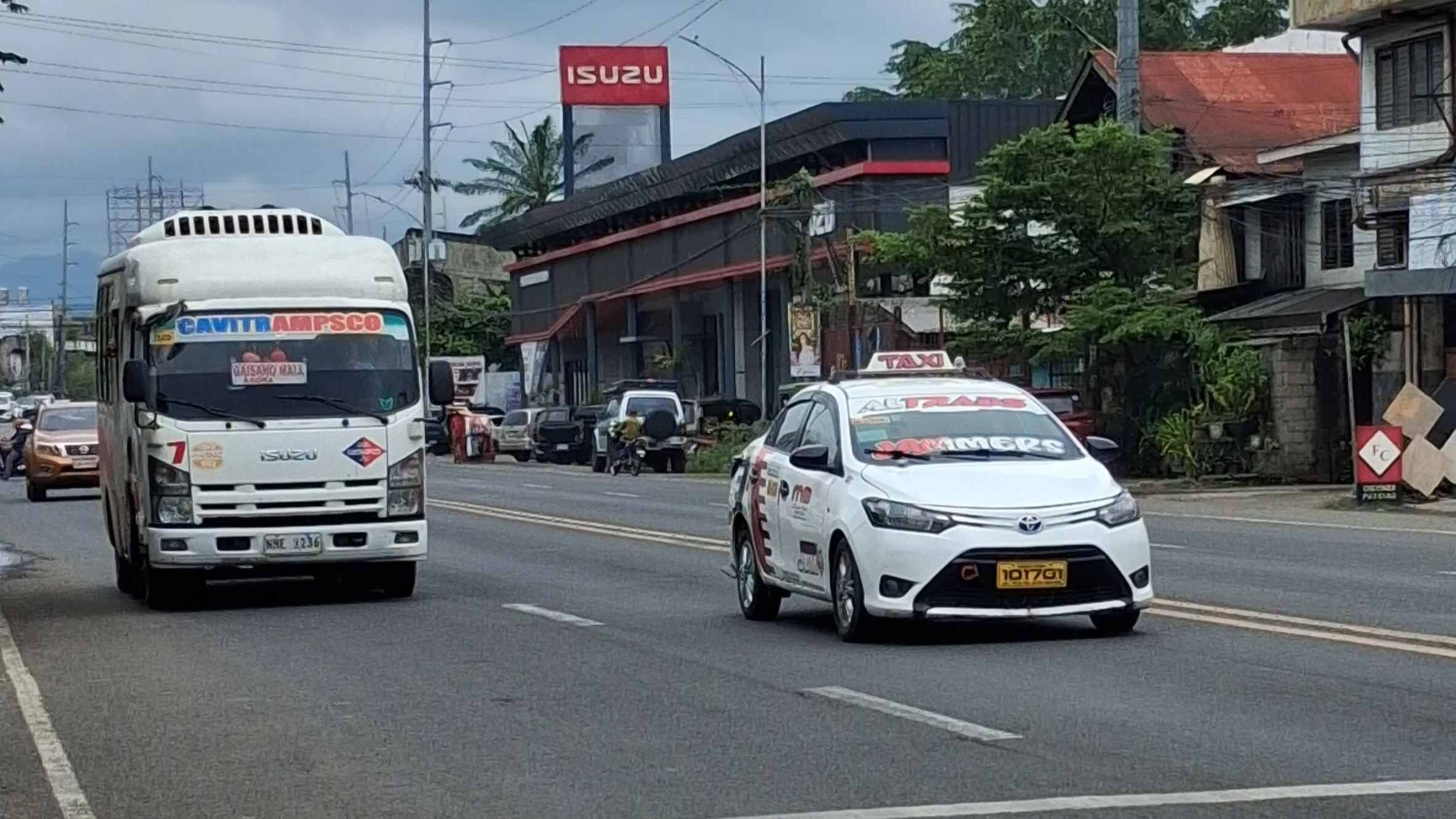
This trial comes as CDO launches 1-month traffic dry run to ease congestion, covering key provincial routes serving both the eastern and western parts of Misamis Oriental. By directing affected provincial PUVs to terminate at designated integrated terminals rather than entering the commercial district, local officials aim to determine whether the revised traffic flow can effectively reduce bottlenecking before considering permanent implementation.
Under the scheme, affected provincial PUVs will terminate at designated integrated terminals instead of proceeding into the city's commercial district, in line with Section 120 of City Ordinance No. 10551-2007, or the city's Traffic Code.
Mayor Rolando "Klarex" Uy said the implementation would first be treated as a month-long dry run to allow the city government to assess its impact, identify operational concerns and determine what adjustments are needed before fully enforcing the ordinance.
City officials said the trial will also generate data and gather public feedback that could guide possible amendments to the nearly two-decade-old ordinance.
According to the Roads and Traffic Administration (RTA), provincial jeepneys serving eastern and western Misamis Oriental have long used the integrated terminal system, while the current implementation extends the same requirement to other covered provincial PUVs.
The city acknowledged that the transition may require additional transfers and adjustments for commuters.
Officials said the month-long trial will determine whether additional connecting jeepneys, shorter waiting times or other operational improvements are needed to reduce inconvenience to passengers.
Uy also directed the RTA to ensure that commuters arriving at the integrated terminals have readily available connecting public transportation to the city proper to minimize inconvenience during the transition.
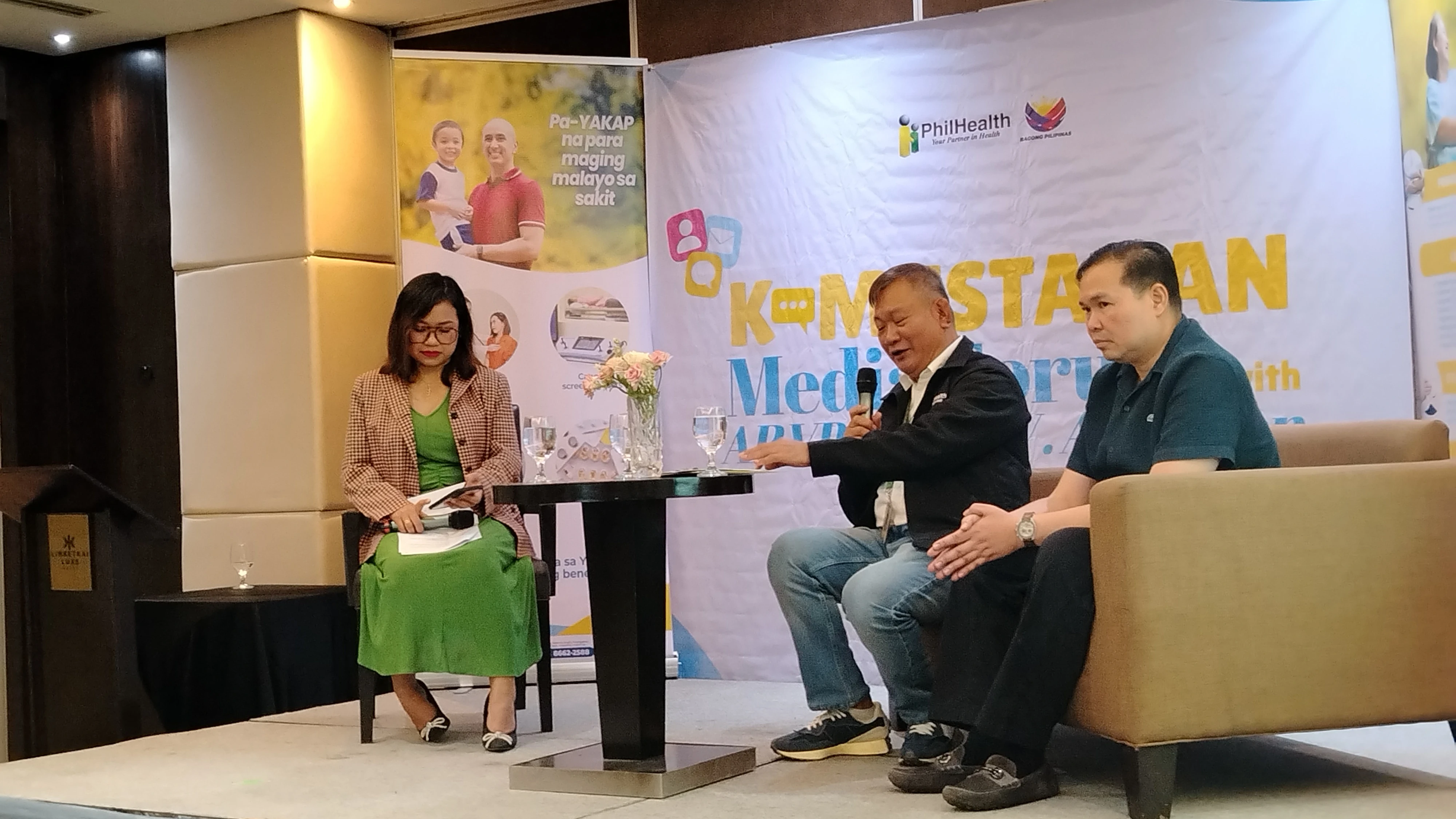
Meanwhile, City Councilor Enrico Salcedo said the mayor has instructed the RTA to study the possibility of lowering fares for passengers traveling between the integrated terminals and the city proper.
Salcedo said the city government may also invite officials of the Land Transportation Franchising and Regulatory Board (LTFRB)-10 to discuss possible fare adjustments.
He noted, however, that the proposal must also consider the continuing increase in fuel prices and its potential impact on public utility jeepney operators and drivers.
Some transport operators and passengers have expressed concern that the revised routing could increase travel time and transportation costs because of additional transfers.
City officials said those concerns will be closely monitored throughout the dry run and will be considered before any decision is made on the ordinance's full implementation.
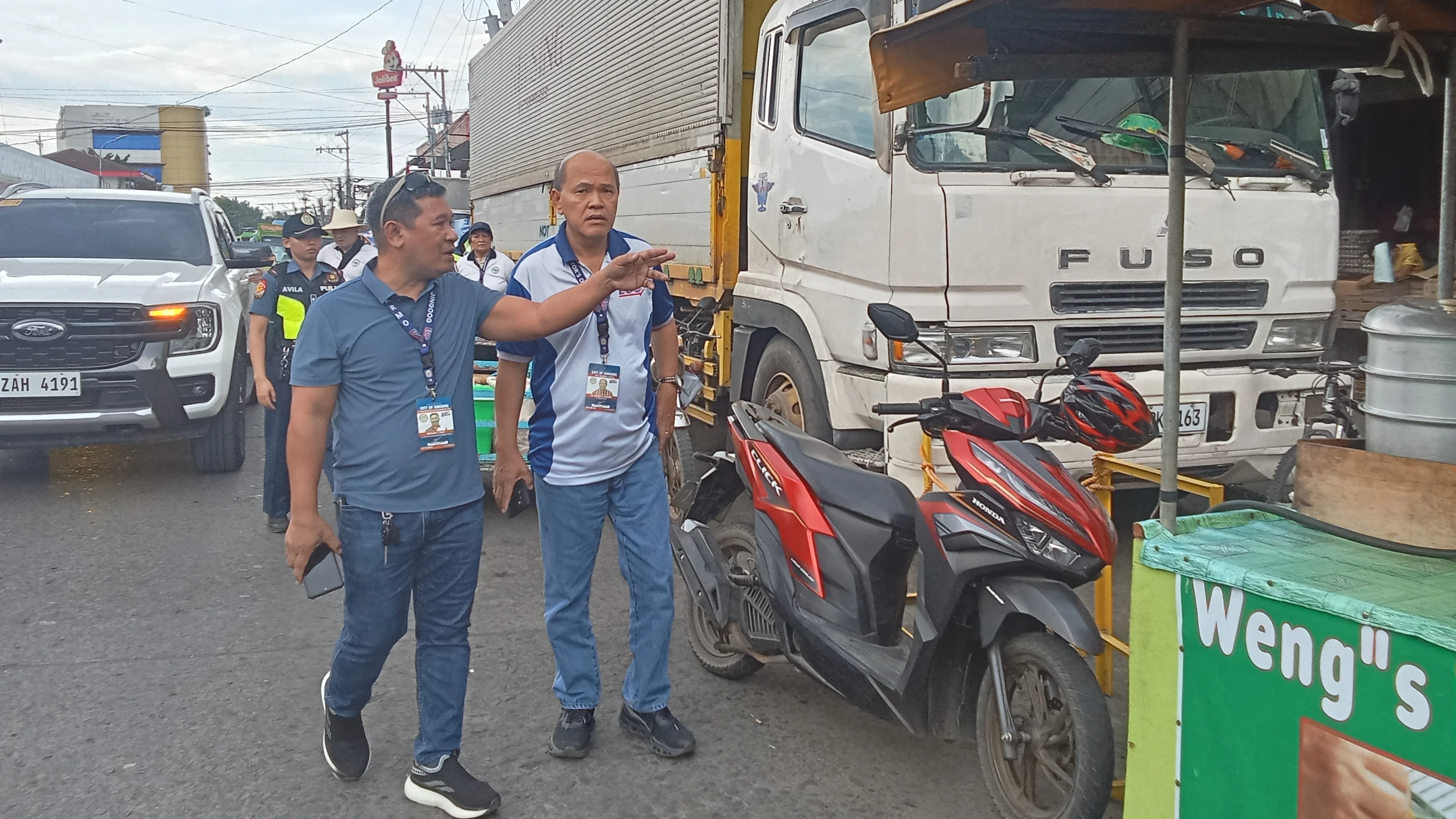
Uy also ordered the resumption of road-clearing operations, directing authorities to remove illegal structures encroaching on road right-of-way and sidewalks to improve traffic flow and pedestrian safety.
City officials said the traffic management initiative forms part of the local government's broader effort to reduce congestion, improve road safety and provide a more organized public transport system.
The city government also noted that Section 120 of City Ordinance No. 10551-2007 was enacted during the administration of former mayor Vicente "Dongkoy" Emano following the establishment of the Eastbound Integrated Terminal in Barangay Gusa. Although the ordinance has been in place for nearly two decades, its implementation has remained incomplete.
Authorities appealed for patience and cooperation from commuters, motorists and transport operators, saying public feedback gathered during the month-long dry run will play a key role in refining the traffic scheme before its possible full implementation.(Ben Balce, Editorial Lead)