By Asnairah Paudac, Shaina Bea Ybanez,
and Dhalia Goling
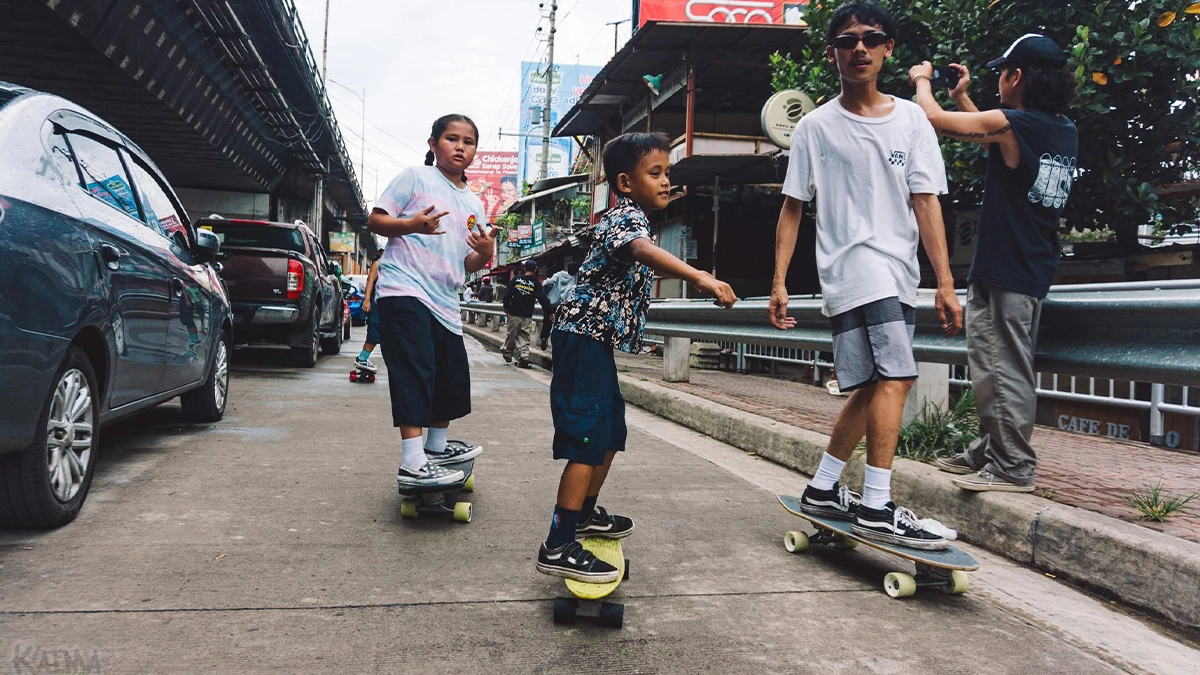
CAGAYAN DE ORO CITY- Long before skateboarding became an Olympic sport, skateboarders in Cagayan de Oro had already been carving their own paths—on sidewalks, public plazas, vacant spaces, and wherever smooth concrete could be found.
Today, despite the sport's inclusion in the Olympic Games and the recent integration in Batang Pinoy 2026, many local skaters continue to train without a dedicated public skate park.
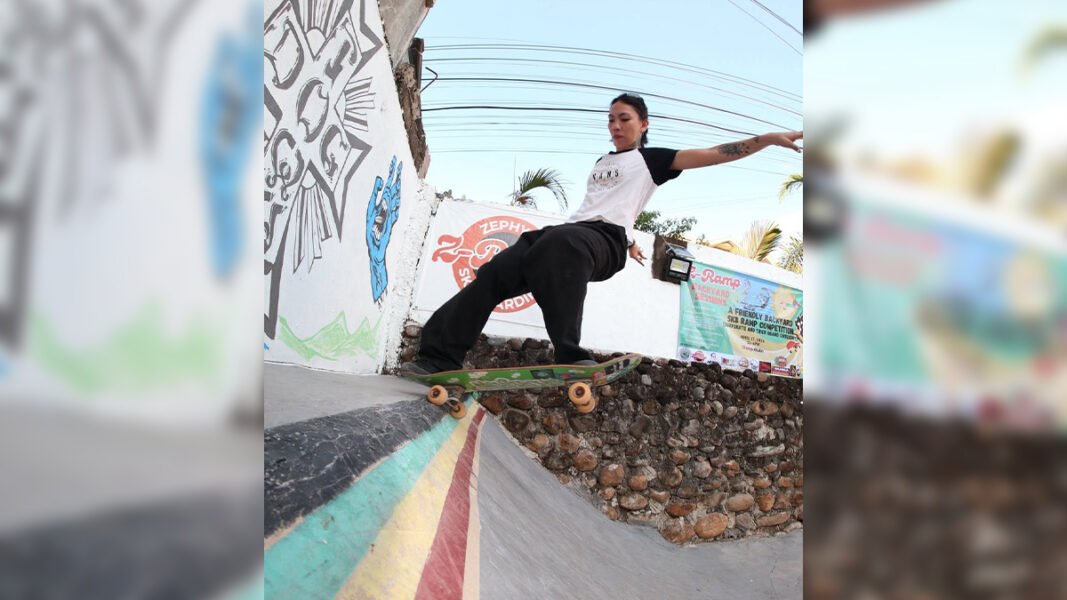
For 29-year-old Izza May Bade, skateboarding has been more than a hobby. It has become part of her life. A digital marketing specialist, food truck owner, and mother of two, Bade has spent years competing while navigating the challenges of practicing in a city without a permanent skateboarding facility.
Bade recently secured the second runner-up position in the Women’s Open Park category during the Go Skateboarding Day 2026 tournament, organized by the Tagaytay Skateboarding Organization at the Tagaytay Skate Park. Her performance occurred alongside fellow Kagay-anon Cheska Edulan, who secured second runner-up in the Women’s Street Open division.
"My first experience on a skateboard wasn't good, but what stayed with me was that nobody looked down on me when I failed. They encouraged me, and that was something I rarely experienced elsewhere."
DIY Skate Parks
The community has also attempted to create its own spaces. Over the years, local skaters built several do-it-yourself (DIY) skate spots, but because these areas were not officially designated for skateboarding, many were eventually closed or the skaters were asked to leave.
"Now, nga wala jud mi place na madulaan, mapugos jud modulasa streets. And honestly, dili sya sayon," she said. "It's not easy. You always have to watch out for yourself, and many places don't allow skating because they want to protect their property. We understand that. We don't have bad intentions—we're just as passionate about our sport as anyone else."
For property owners and security personnel, restricting skateboarding is often a matter of safety and liability. Commercial establishments have a responsibility to protect customers and prevent damage to stairs, benches, railings, and other infrastructure. Likewise, city authorities are tasked with ensuring that sidewalks and other public spaces remain safe and accessible for everyone.
The discussion therefore extends beyond recreation. It reflects the challenge of balancing pedestrian safety, private property rights, and the recreational needs of Cagayan de Oro's growing skateboarding community.

Infrastructure Impacts Performance
Despite these challenges, Bade has continued to compete, making the most of the facilities available to her.
"I've been competing for years, and I've learned to work with what we have," she said. “Makita jud ang difference sa skaters nga naa'y skate parks, where they can skate freely, ug sa mga ga skate lang sa streets or DIY spots. Your progress depends on where you're able to train."
In the Philippines, the achievements of Olympian Margielyn Didal have inspired many young Filipinos to pursue the sport competitively, bringing greater recognition to what was once viewed primarily as a street activity. That growing interest has also been reflected in Cagayan de Oro, where local skateboarders continue to organize community events and encourage more young people to take up the sport despite the absence of a dedicated public skate park.
Bade believes Cagayan de Oro already has talented skateboarders capable of competing at higher levels if provided with better training opportunities.
"We've been doing it without a skate park," she said. "Imagine how much these young skaters could improve if they had one."
As a mother and longtime member of the skateboarding community, she also sees the sport's value beyond competition.
"Many of these young people don't come from easy circumstances," she said. "Through skateboarding, they've found discipline, confidence, and a community that supports them. We always tell them to keep skating, enjoy the process, and get back up every time they fall."
Whether or not Cagayan de Oro eventually develops a public skate park remains a decision for city planners and local officials. For now, the city's skateboarders continue to train in the spaces available to them, adapting to an environment that was never designed for the sport while hoping that one day they will have a place built specifically for it. with words by Dave Achondo