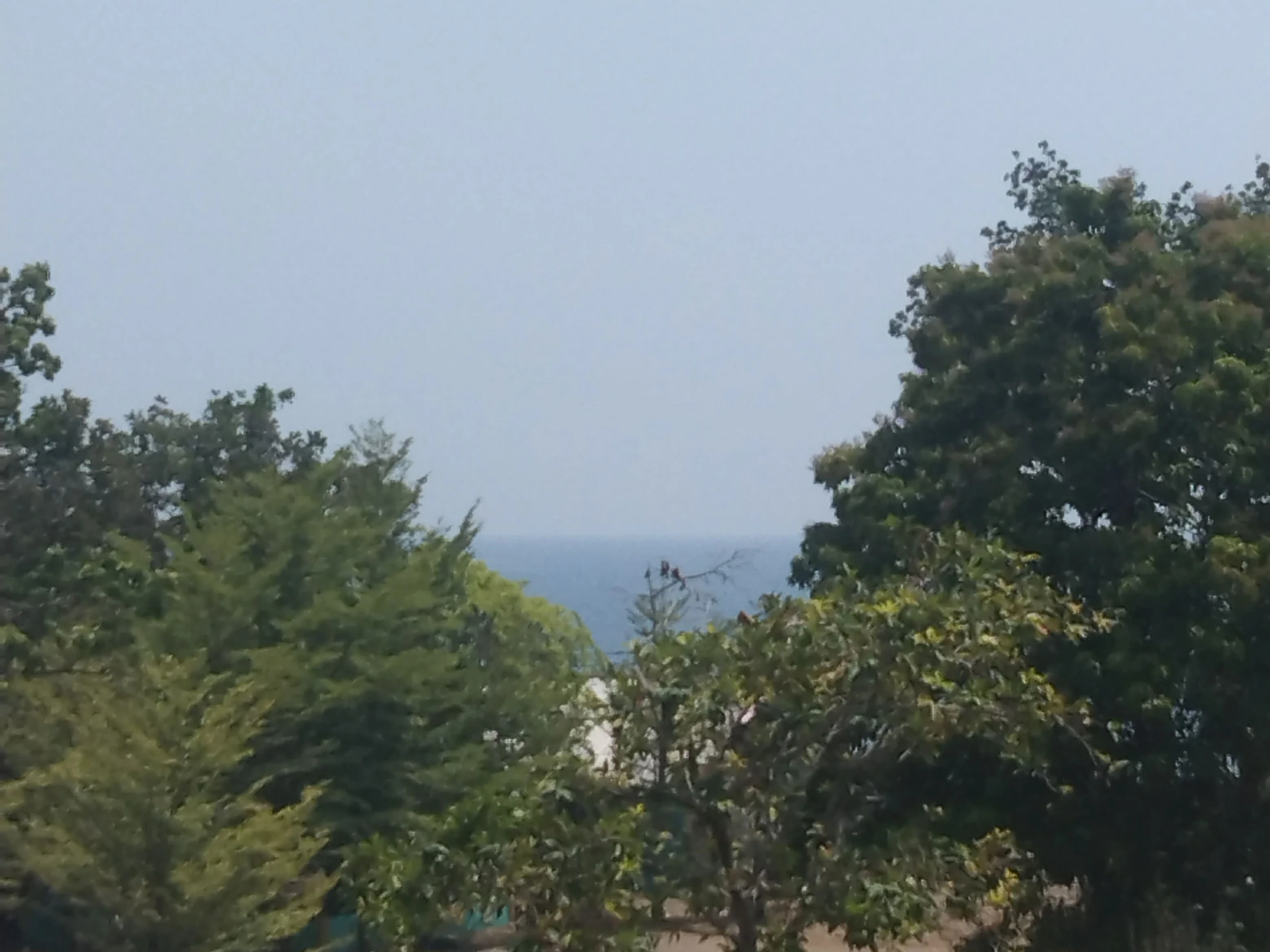
CAGAYAN de Oro City — With smoke from forest and land fires in Kalimantan, Indonesia, continuing to affect parts of Northern Mindanao, the question for residents is no longer simply where the haze came from—but what government agencies are doing to protect people from it.
The Department of Environment and Natural Resources–Environmental Management Bureau in Northern Mindanao (DENR-EMB-10) is continuing to monitor fine particulate matter (PM2.5) through its air-quality stations and release advisories as conditions change.
The bureau has linked the haze affecting parts of the region to transboundary smoke from forest and land fires in Kalimantan, Indonesia, carried by prevailing winds.
For residents, however, monitoring is only the first line of defense.
What agencies are doing
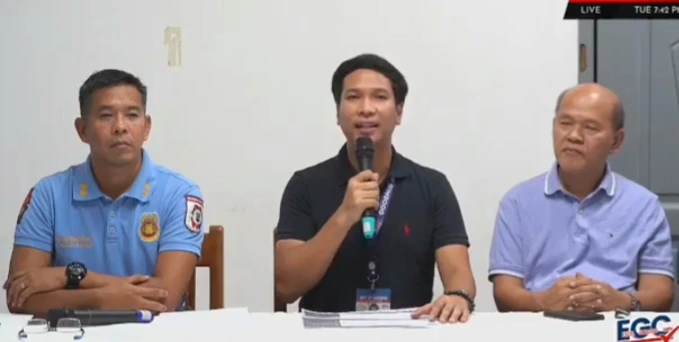
In Cagayan de Oro, the City Disaster Risk Reduction and Management Department (CDRRMD), City Health Office (CHO) and City Local Environment and Natural Resources Office (CLENRO) have coordinated on the deteriorating air quality.
CDRRMD chief Nick Jabagat urged residents to wear masks when going outside and monitor official CHO and CLENRO updates for current air-quality conditions.
The response is also being driven by DENR-EMB-10's continuing air-quality surveillance, allowing authorities and the public to see whether pollution levels are improving or worsening.
That monitoring matters because conditions have varied sharply across Northern Mindanao.
Earlier readings showed Iligan City reaching the acutely unhealthy range, while Cagayan de Oro and Tagoloan also recorded elevated PM2.5 levels.
More recent EMB-10 updates continued to show elevated PM2.5 levels at several Region 10 monitoring stations, underscoring the need for residents to keep checking local readings rather than assuming that clearer skies automatically mean cleaner air.
What residents should expect
The government response should be measured not only by how often advisories are posted, but by whether residents receive timely, understandable and location-specific information.
For families, that means knowing:
Is the air safe today?
Should children stay indoors?
Should outdoor workers reduce exposure?
Are schools being advised to modify outdoor activities?
When should residents wear masks?
Where can the public check the latest PM2.5 readings?
These questions become particularly important when air quality can differ significantly between neighboring communities.
What residents can do now
Until air quality improves, residents—particularly children, older adults and people with respiratory or heart conditions—should reduce unnecessary exposure when pollution levels are elevated.
Residents who need to go outdoors should consider wearing a well-fitting mask and avoid prolonged strenuous outdoor activity during periods of poor air quality.
The public should also rely on DENR-EMB-10, local government and health-office advisories, rather than social-media posts that may contain outdated or misleading information.
The accountability question
The haze may have originated thousands of kilometers away, but its health consequences are being felt here.
That means the local government's responsibility is not to stop the Indonesian fires—it is to make sure Northern Mindanao residents know how bad the air is, what government is doing about the health risk, and what they should do next.