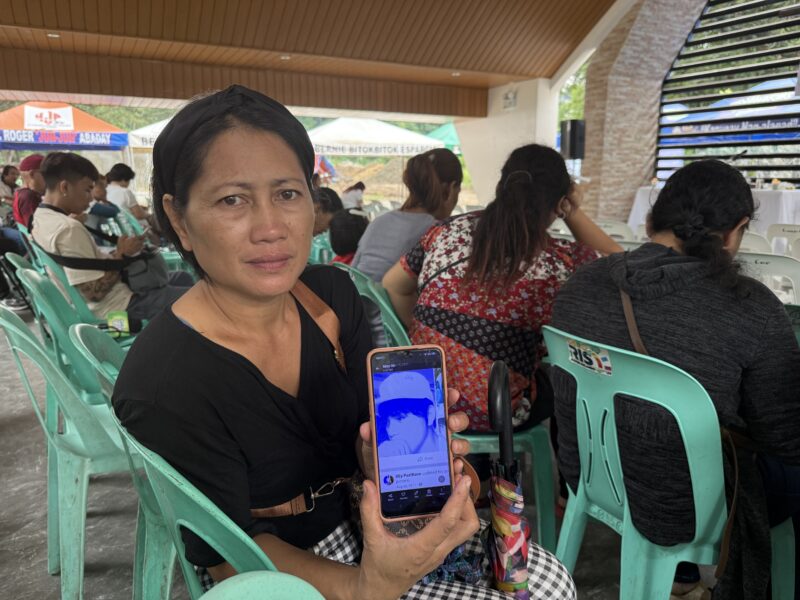
SURVIVORS of tropical storm Sendong lit candles and held simple ceremonies here yesterday but the sad memories of the tragedy thirteen years ago still linger.
“I still have recurring dreams that my two sons are still alive,” 47-year-old Beverly Pastrano, a survivor said.
Pastrano was 34 years old when flood waters spilled from the Cagayan de Oro river basin and inundated villages beside its banks.
More than 1,200 people died in Cagayan de Oro and the neighboring city of Iligan from the flash flood triggered by tropical storm Sendong on December 17, 2011.
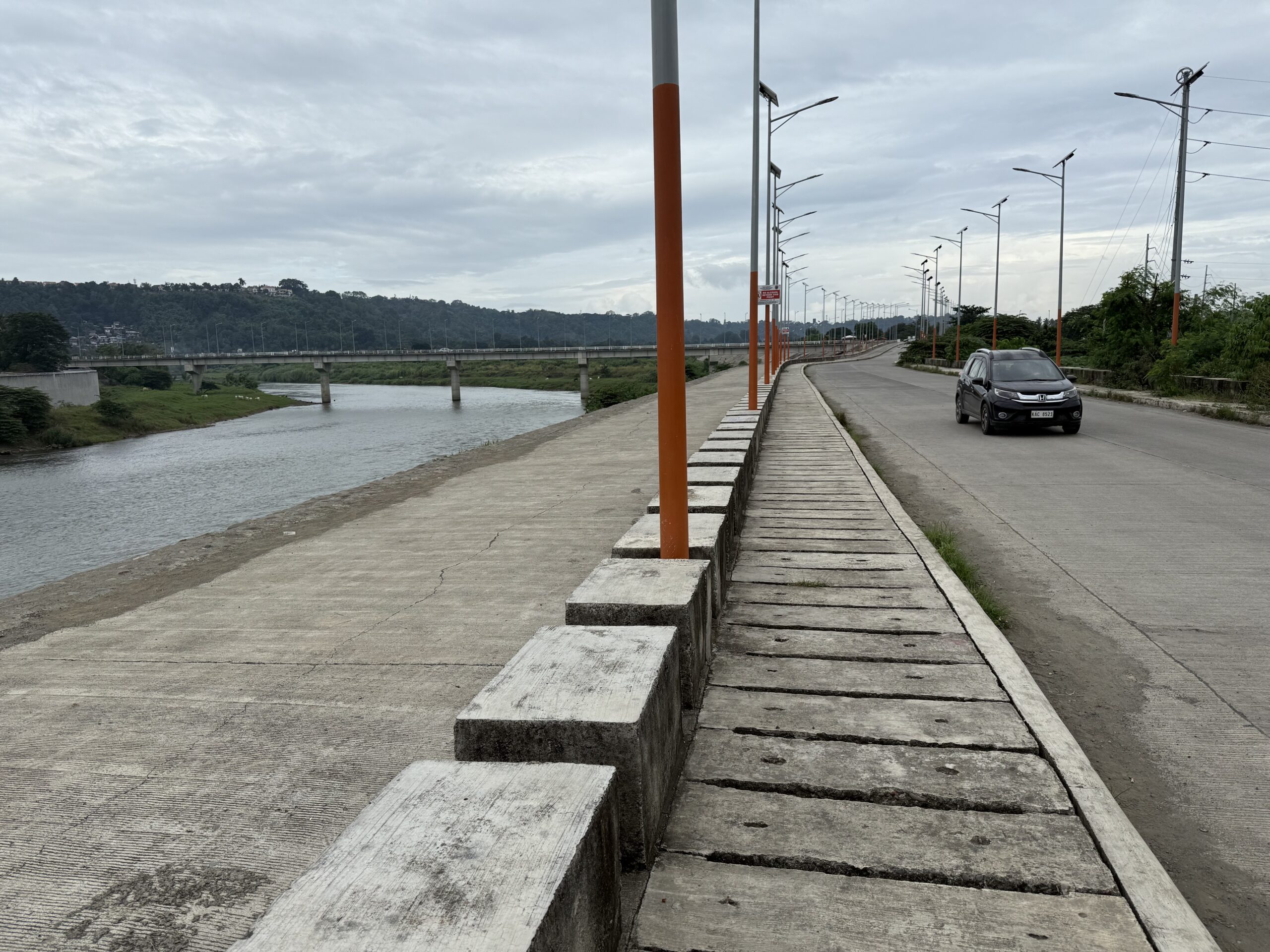
The Department of Public Works and Highways has constructed a dike system to protect the communities beside the Cagayan de Oro river basin.
Funded by a P8.5 billion from Japan International Cooperation Agency and the Philippine government, the DPWH has built the dike system to protect communities from barangays Balulang to Bonbon on the western section of the river; and barangays Macasandig to Puntod on the eastern section of the river.
The impact of tropical storm “Sendong” however is seen in the housing and business development in the city as residents and companies moved to the upper section of the city transforming outlying hills and mountains into commercial and subdivisions,
City Local Environment and Natural Resources Officer Engineer Armen Cuenca said “Sendong” has traumatized residents that urban migration occurred as people move to the outlying hills of the city.
Cuenca said the commercial district has more than tripled in the western section of Barangay Carmen it transformed a grassy and rolling hill into a major commercial district.
“Everyone was scared to reside beside the Cagayan de Oro. This triggered a migration to the hills around the city,” Cuenca said.
Ralph Paguio, chair of the European Chamber of Commerce of the Philippines in Northern Mindanao said the trauma on Sendong was so deep that old families broke their traditional ties with the Cagayan de Oro river.
“It used to be old families like to live beside the river for their laundry needs and entertainment. Now that is all gone. Living beside the river means death,” Paguio, a native of this city said.
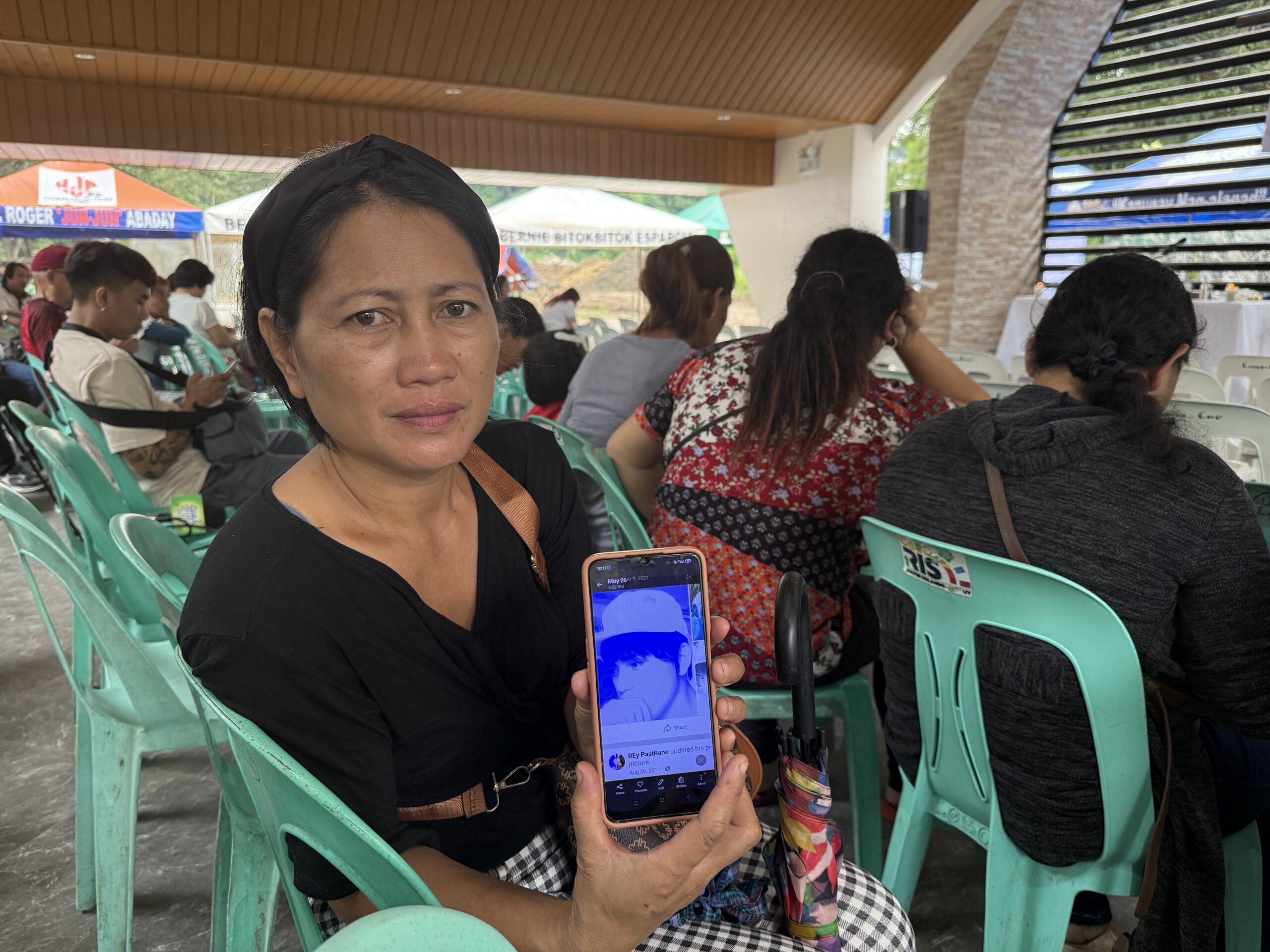
Pastrano said she believes that the tragic events of Sendong on December 17, 2011, will repeat itself in the future.
She said she was told by her elders that the river would flood now and then and that Sendong was not the first time.
Cuenca said the history of the Cagayan de Oro revealed there is indeed a 50-100 cycle of floods of the river.
“The dike system will protect the communities from flooding. The dikes are high enough for the water to spill from its banks,” he said.
For journalist Mike Baños that assurance is good enough for him to move back to his old house they abandoned 13 years ago.
“That dike will hold. I saw the specs and believed in it,” Baños said.
Baños, his wife, and two children survived the 2011 flood by climbing to the attic of his two-story house in San Lorenzo village in Barangay Macasandig.