CAGAYAN de Oro City - A former Department of Education (DepEd) official testified that Vice President and former Education Secretary Sara Duterte instructed him to tell reporters that the agency’s confidential funds were being used for “anti-insurgency” and that details of the spending should not be disclosed.
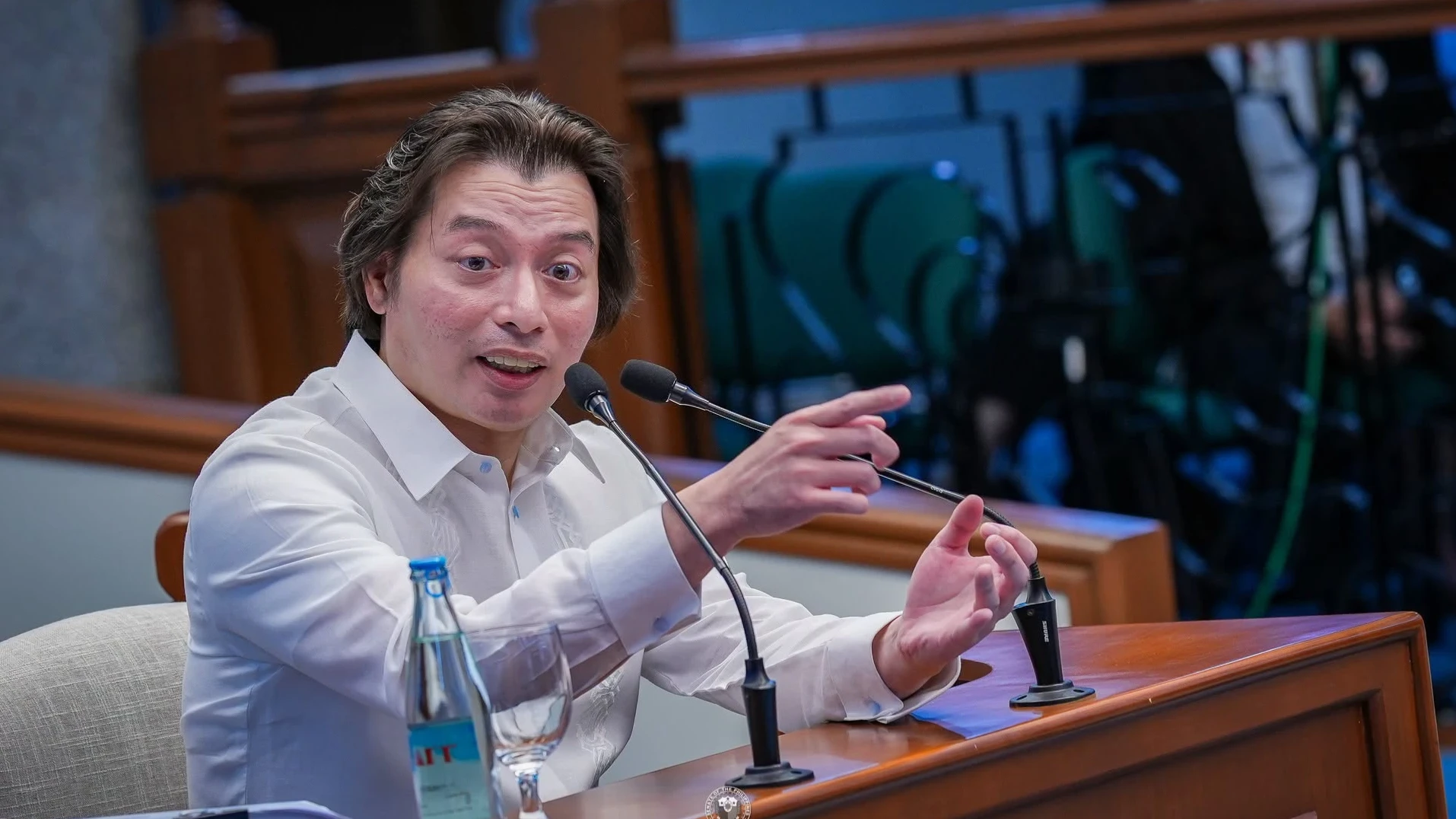
Former DepEd Chief of Staff Atty. Michael Poa made the statement while testifying before the impeachment court on the alleged misuse of confidential funds involving the Office of the Vice President (OVP) and DepEd.
The testimony puts renewed focus on a basic accountability question: How can the public and oversight bodies determine whether confidential funds were properly used if officials responsible for the agency could not disclose—or, according to Poa, were not given—details of the transactions?
Poa says Duterte told him what to tell reporters
Asked by Senator-Judge Imee Marcos who received cash from DepEd’s confidential funds, Poa said he did not know, describing Duterte’s management style as highly compartmentalized and based on a “need-to-know” system.
“Anyone who has worked with the Vice President would know that when she runs an office, it's highly compartmentalized,” Poa said.
He later testified that Duterte personally instructed him on how to respond if reporters asked about the funds.
According to Poa, he was told to say that the money was being used for anti-insurgency activities.
When he asked what to say if reporters sought details, he said Duterte told him that the information should not be made public because it could jeopardize the intelligence community.
The testimony is Poa’s account of his interaction with Duterte. Duterte and her camp may contest or provide their own explanation of the exchange.
Poa says he did not know who handled the cash
Poa also testified that he only learned during House hearings of the involvement of Colonel Dennis Nolasco, then deputy chief of the Vice Presidential Security and Protection Group, in the handling of DepEd’s confidential funds.
His testimony raised questions from Senator-Judge Risa Hontiveros, who said she found it difficult to believe that a chief of staff would not know the security structure within his own office.
Hontiveros also asked whether officials and staff of the OVP and DepEd could potentially be held liable for irregularities involving the agencies’ confidential funds.
Poa, answering as a lawyer, said liability was “possible.”
When asked whether he himself could potentially be included, Poa also answered: “Posible po.”
He added that he hoped that would not be the case.
What remains to be established
Poa’s testimony does not by itself establish criminal or administrative liability. Those questions remain subject to the impeachment proceedings and other applicable investigations or legal processes.
What the testimony does establish is that a former senior DepEd official says he was kept outside key details of confidential-fund operations and was instructed to give reporters a general explanation rather than disclose specific spending information.
That raises an accountability issue because confidential spending, while subject to restrictions on public disclosure for legitimate security reasons, remains subject to government rules, auditing and oversight.
Article I of the impeachment charges Duterte with high crimes, graft and betrayal of public trust over the alleged systematic misuse, irregular disbursement and improper liquidation of P500 million in OVP confidential funds and P112.5 million in DepEd confidential funds.
Large cash withdrawals under scrutiny
Earlier witnesses, including state auditors and bank managers, testified about large single-day cash withdrawals involving the agencies.
The testimony included four separate P125-million OVP transactions and three P37.5-million DepEd transactions.
Prosecutors have questioned whether the supporting documents were sufficient to establish that the withdrawals were used for legitimate security operations.
The defense, however, has the opportunity to challenge the prosecution’s evidence and present its own witnesses and explanations before the impeachment court.
For the public, the central issue is not simply whether confidential funds can be kept secret.
It is whether the secrecy surrounding their operations still allows auditors, lawmakers and other authorized oversight bodies to verify that public money was spent lawfully, for legitimate purposes and with adequate documentation.
Poa is the third hostile witness presented by the prosecution in the proceedings on Article I of the impeachment charges.