ILIGAN City— Sixty-six recovering drug users in Iligan City have completed rehabilitation and recovery programs, taking steps toward rebuilding their lives and rejoining their communities.
Among them was a participant identified only as alias "Fel," who said his months of sacrifice and determination were driven by his desire to rebuild his relationship with his family and provide a better future for his child.
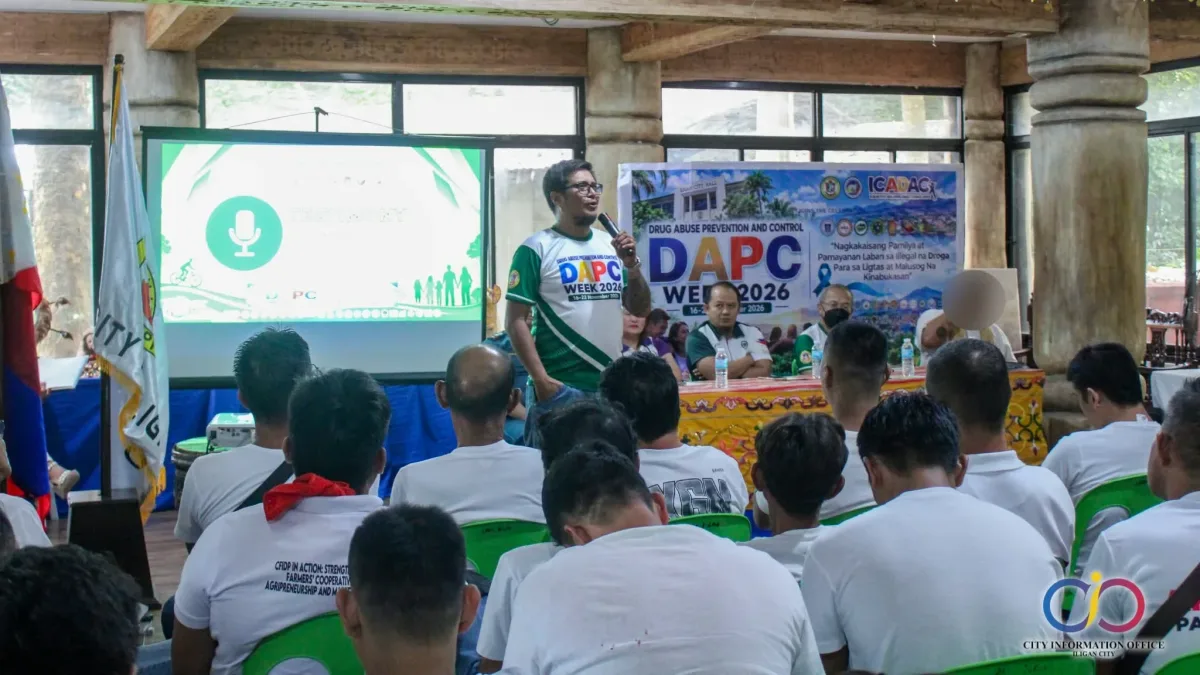
The group completed various interventions facilitated by the Iligan City Anti-Drug Abuse Council (ICADAC) during a ceremony on Nov. 20, 2026.
"I am thankful to ICADAC and the police because, after several months of sacrifice, we finally completed the program," Fel said.
He also encouraged other persons who use drugs (PWUDs) to believe in their ability to change and persevere through the recovery process.
The 66 participants completed the Community-Based Drug Rehabilitation Program (CBDRP), Aftercare Monitoring Program and other recovery interventions.
Recovery beyond rehabilitation
Organized as part of the city's observance of Drug Abuse Prevention and Control Week, the ceremony recognized participants who had taken steps to overcome drug dependence and rebuild their lives.
Some participants shared personal accounts of the challenges and consequences they experienced because of illegal drug use. They also highlighted the importance of determination, self-belief and support in maintaining their recovery.
The activity ended with an oath-taking and pledge of commitment, as the completers vowed to stay away from illegal drugs and pursue healthier and more productive lives.
ICADAC's programs provide guidance and assistance to recovering individuals as they work toward returning to their communities and maintaining a drug-free lifestyle.
The initiative also highlights the role of rehabilitation, prevention and community support alongside law enforcement in addressing illegal drug use.
Representatives from the Iligan City Police Office, Department of Health and Philippine Drug Enforcement Agency attended the ceremony, reaffirming their support for the city's anti-drug campaign.
For Fel and the other 65 participants, completing the programs marked an important step toward a fresh start. Their continued recovery, however, will depend on sustained commitment and support from their families, communities and partner institutions.