ILIGAN CITY — Aboitiz Foods is strengthening its supply chain resilience and investing in local production facilities to help maintain a reliable food supply as the Philippines prepares for the potential impact of El Niño and global market disruptions.
The regional food and agribusiness company said proactive planning, supplier coordination and investments in production and processing are essential to ensuring the continuous movement of food from production facilities to consumers.
According to the National Disaster Risk Reduction and Management Council, El Niño had affected nearly 451,000 people nationwide, with agricultural losses and damage reported at ₱6.5 million. The Department of Science and Technology–PAGASA expected El Niño conditions to persist into early 2027, according to the company’s press release.
“Food security is not just about having enough food available today. We also need to consider how reliably we can produce and distribute food, and how we can withstand disruption and continue serving communities over time,” said Teddy Deocares, Aboitiz Foods’ first vice president for supply chain.
Deocares said the company monitors commodity trends, shipping conditions and raw-material availability while coordinating with suppliers and internal teams to anticipate potential disruptions.
Its preparations also include reviewing inventory requirements, assessing the availability of key ingredients, and managing operational needs such as water availability and feed quality to sustain animal nutrition production.
Aboitiz Foods operates in eight countries and is working to strengthen its supply chain amid climate-related risks, geopolitical tensions and rising fuel, freight and raw-material costs.
The company also emphasized the importance of maintaining the economic viability of local food producers, particularly hog raisers who face difficulties when farmgate prices fall below production costs.
Deocares said a resilient food system requires closer public-private collaboration to strengthen local production, improve supply chain flexibility and help keep food accessible and affordable.
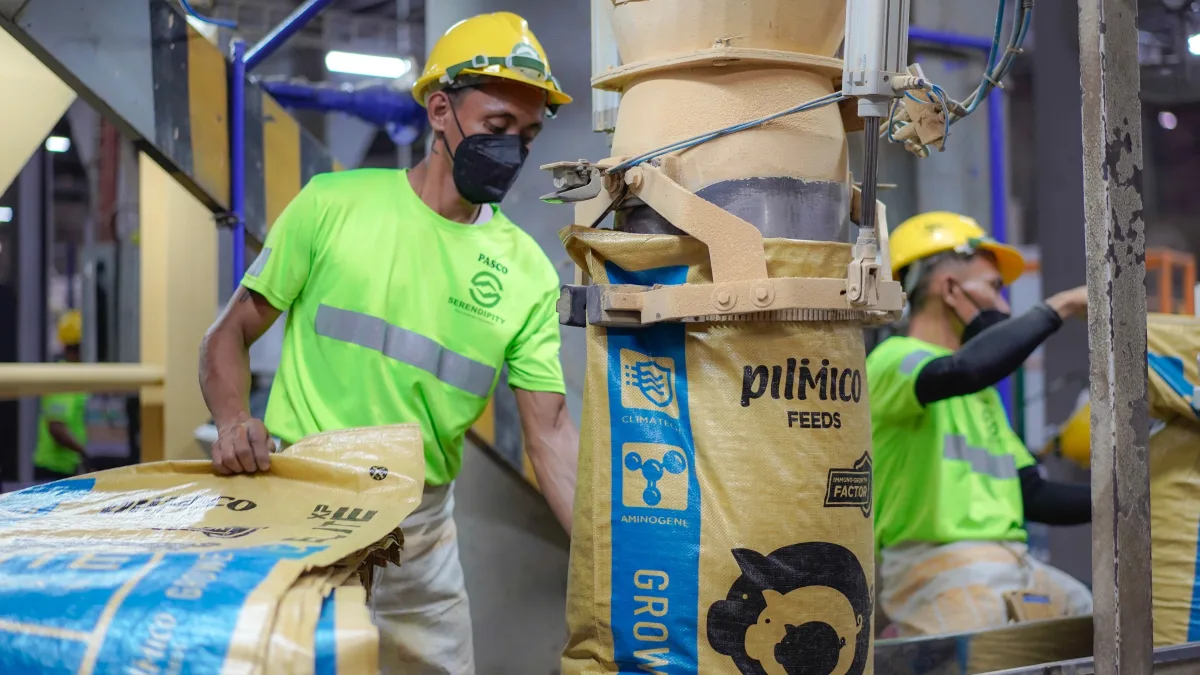
In the Philippines, the company plans to establish a new Pilmico feedmill at West Cebu Estate in Balamban, Cebu. The facility is expected to increase production capacity and complement its existing feedmill in Iligan City, which serves customers across the Visayas and Mindanao.
Aboitiz Foods, through its subsidiary Pilmico Animal Nutrition Corporation, is also working with partners to relaunch a meat-cutting plant in Butuan City to supply fresh pork to restaurants, food businesses and households.
The initiatives form part of the company’s efforts to reinforce local production and processing capabilities while improving its capacity to respond to changing market conditions.
Deocares also urged consumers to help conserve food resources through responsible food and water use, reducing food waste and avoiding unnecessary stockpiling.
He said strengthening food security requires collective action from businesses, suppliers, producers, government agencies and households.
Through supply chain planning, local investments and collaboration across the food value chain, Aboitiz Foods said it aims to sustain reliable operations and support a more resilient food supply amid climate and market uncertainties.