CAGAYAN de Oro City — For 13-year-old Lea, communicating with her family was once a daily struggle.
Diagnosed with autism and speech apraxia at age 3, Lea often pointed at things, wrote words on paper and searched Google for images to show her family what she wanted.
Her sister, Uma Roa, saw an opportunity in those searches.
“What if there was an app that stored her vocabulary as images, and spoke the words aloud so she could learn to say them too?” Roa recalled.
That idea became Pic-A-Talk, a Mindanao-founded assistive communication app based in Iligan City that helps non-verbal individuals communicate through pictures and spoken words.
Turning frustration into communication
Roa said the app is designed to support—not replace—natural speech.
“Think of it as a booster for communication: something that gives a person a way to be understood right now, while supporting their own speech and language development alongside it,” she said.
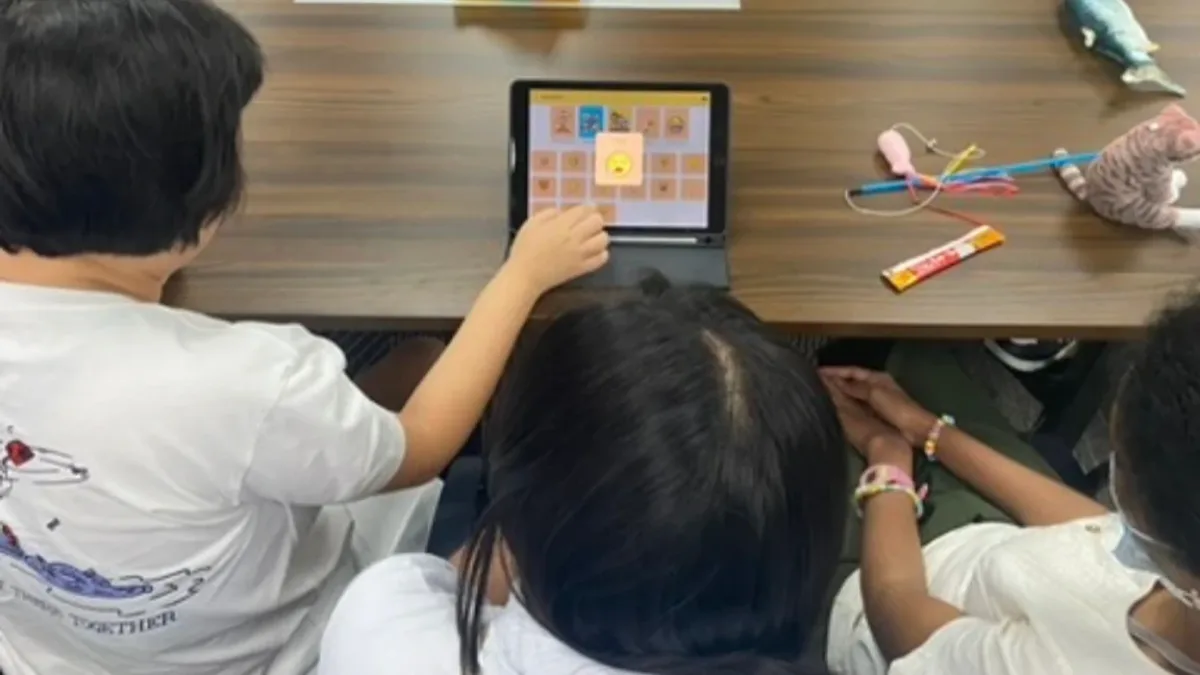
Pic-A-Talk allows parents, teachers and caregivers to customize the app using images familiar to the user.
Instead of generic pictures, families can add photos of their home, favorite food, pets, teachers or relatives.
For one user, the impact was especially significant.
After caregivers uploaded photos of family members, the user began calling her grandparents by name for the first time in 16 years after about a month of using the app, Roa said.
Helping children express what they need
For children who struggle to communicate pain, discomfort or preferences, the app can also help prevent frustration from escalating.
Roa recalled a young girl who became upset with her mother because she did not want to wear a particular T-shirt.
Using Pic-A-Talk, the girl tapped the image for “T-shirt,” allowing her to communicate her objection within seconds.
“Pic-A-Talk acts as a bridge,” Roa said. “When someone can communicate what they need at a faster rate, it removes a lot of the frustration.”
Parents and teachers have also reported children repeating words spoken by the app and beginning to write the words they see alongside the images.
Bringing the app to more students
Pic-A-Talk aims to reach families who may not be able to afford assistive communication technology.
The team works with foundations, corporate social responsibility programs and nongovernment organizations to help provide access to families who need the tool.
Roa said the long-term goal is to bring Pic-A-Talk into Philippine public schools, particularly Special Education (SPED) programs.
The vision goes beyond Mindanao.
“We want to be in every SPED school and therapy center—not just in Mindanao, not just in the Philippines, but across the ASEAN region,” Roa said.
For families like Lea’s, the goal is simple: to make sure that having difficulty speaking does not mean having no voice.