CAGAYAN de Oro City — Camiguin is stepping up efforts to prevent Japanese encephalitis (JE) after a laboratory-confirmed case was reported in the province, with health officials urging residents to focus on mosquito control, personal protection, early consultation and vaccination.
The Provincial Health Office and municipal health offices are strengthening disease surveillance and public information while supporting mosquito-control activities in affected areas.
Municipal Health Officer Dr. Boel Espinas said JE is not spread directly from person to person. People become infected when they are bitten by infected Culex mosquitoes.
“Ang Japanese encephalitis dili matakod gikan sa usa ka tawo ngadto sa tao. Kini mapasa pinaagi sa pinaakan sa infected nga Culex mosquito,” Espinas said.
What is Japanese encephalitis?
Encephalitis means inflammation or swelling of the brain. In Japanese encephalitis, the virus can reach the brain after a person is bitten by an infected mosquito.
Most people infected with the virus do not develop symptoms or may experience only mild illness. But in some cases, particularly among children, the infection can become severe.
Warning signs may include high fever, severe headache, vomiting, dizziness, seizures, confusion or changes in mental status.
Severe Japanese encephalitis can cause brain damage, permanent disability or death.
Pigs and migratory birds can carry the virus and serve as hosts, while infected mosquitoes transmit the virus to humans. The disease is not spread directly from pigs or from one person to another.
Seek care early
Espinas urged residents who develop possible symptoms to seek medical attention promptly.
Residents may visit their nearest barangay health station, rural health unit or hospital for consultation.
Early consultation is important, especially when symptoms become severe or worsen quickly.
4S: Start with your surroundings
Health officials are promoting the Department of Health’s 4S strategy to reduce the risk of mosquito-borne diseases:
Search and destroy mosquito breeding sites.
Self-protect against mosquito bites.
Seek early consultation when symptoms appear.
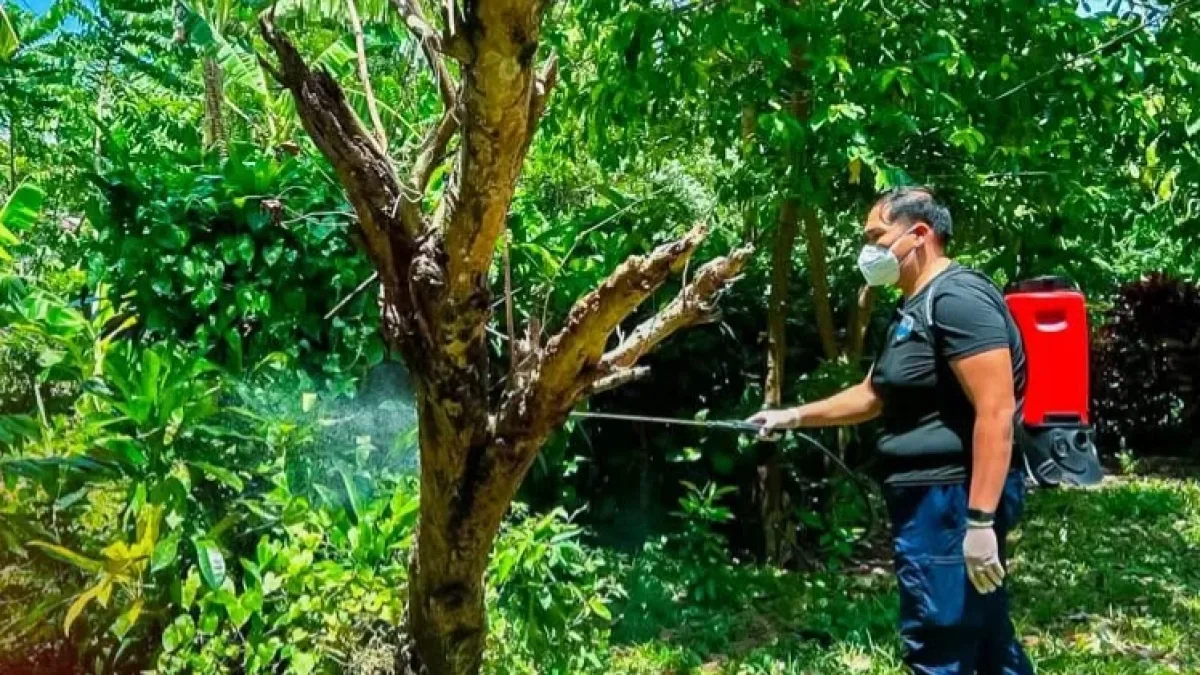
Support spraying in areas with confirmed cases.
Barangays have begun clean-up and search-and-destroy activities to remove stagnant water in bottles, cans, flower pots, old tires and other containers where mosquitoes can breed.
Households are also encouraged to keep their surroundings clean, use mosquito repellents and sleep under mosquito nets, particularly at night.
Vaccination adds protection
Vaccination is another important defense against Japanese encephalitis.
Espinas encouraged parents to bring their children to routine and supplemental immunization activities provided through rural health units, municipal health offices and schools.
He also reminded residents not to blame pigs for JE. Instead, communities should focus on controlling mosquitoes, removing breeding sites and maintaining clean surroundings, including areas near homes and livestock.
With mosquito control, personal protection, early medical care and vaccination working together, health officials said residents can help reduce the risk of Japanese encephalitis in their communities. (With a report from Jessa Khen A. Baclay of PIA-10)