CAGAYAN de Oro City — Long queues, unexplained delays and extra requirements can make government transactions harder for persons with disabilities (PWDs). In Cagayan de Oro, PWD leaders are joining efforts to help identify and report such practices.
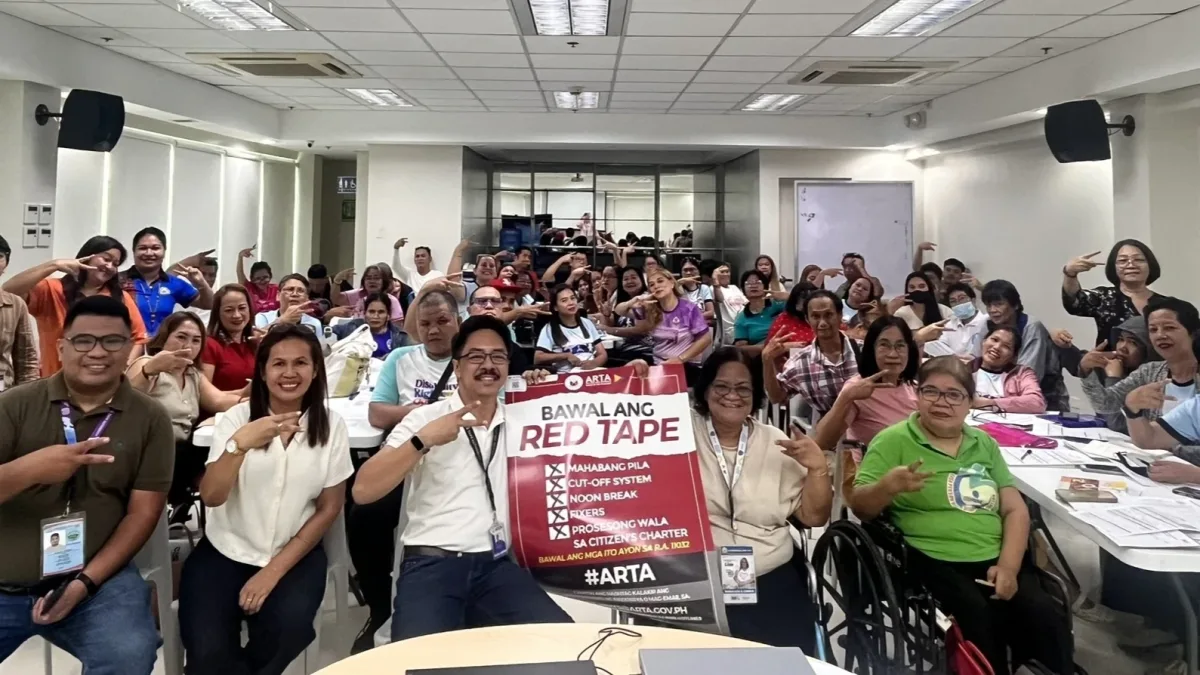
Leaders of various PWD organizations signed up for the Anti-Red Tape and Abuse Auxiliary (ARTA-X), a volunteer group that assists the Anti-Red Tape Authority (ARTA), during a meeting of the Cagayan de Oro Federations of Persons with Disabilities Association (CAFEDPA) late last month.
The initiative aims to help citizens recognize possible violations of government service standards and know where to raise complaints when public transactions are delayed or unnecessarily complicated.
During the activity, participants learned about Republic Act 11032, or the Ease of Doing Business and Efficient Government Service Delivery Act of 2018, including practices that may violate the law.
These include demanding fees or documents not listed in an office’s Citizen’s Charter, unexplained processing delays and other practices that prevent people from accessing services efficiently.
For PWDs, knowing these standards can help them question requirements that are not properly justified and seek assistance when transactions become difficult.
Persons with Disability Affairs Office Head Maria Liza Corpuz backed ARTA’s information campaigns, particularly efforts to help PWDs understand their rights when dealing with government offices.
ARTA Deputy Director General Juabily Racho urged citizens to take part in improving public service delivery.
“We welcome concerned and responsible citizens to join us in the fight against red tape. Join us, serve your communities, and be a part of the change towards improved and more efficient government services,” Racho said.
Through ARTA-X, PWD leaders are expected to help spread awareness of service standards and identify practices that may hinder access to government services.
The challenge now is turning awareness into action: whether reported violations are properly addressed and government offices deliver services without unnecessary delays or requirements. (With a report from Recthie T. Paculba/PIA-10)