CAGAYAN de Oro City — Parents and talent agencies who involve children in monetized videos and social media content must secure a Department of Labor and Employment (DOLE) work permit before filming or producing commercial content, the agency said.
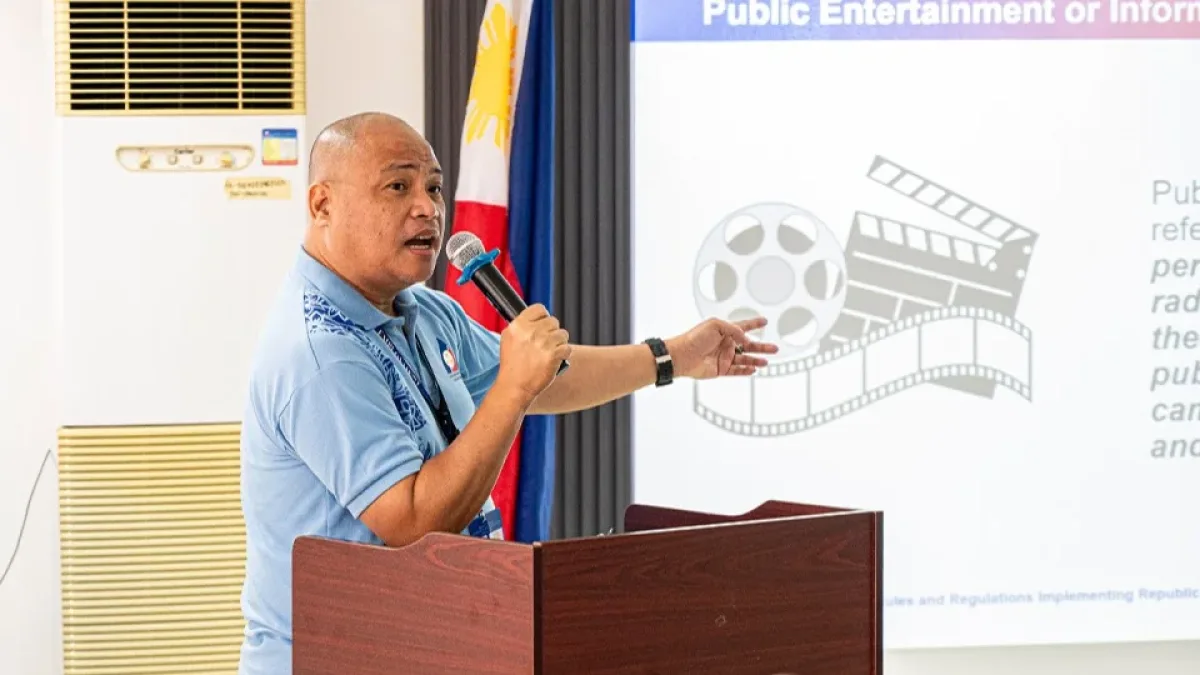
DOLE-10 senior labor and employment officer Glenford C. Labial said children who regularly appear in monetized content on YouTube, TikTok, Facebook and Instagram are covered by rules protecting working children.
Labial issued the reminder during the third-quarter meeting of the Regional Council Against Child Labor-Northern Mindanao (RCACL-NM) on Sept. 8.
“Child influencers and vloggers under 15 who regularly feature in monetized content on platforms like TikTok, Facebook, or YouTube must secure a DOLE Working Child Permit,” Labial said.
He said the requirement applies to child creators who earn from brand sponsorships, advertising, creator funds or other commercial activities, whether their pages are managed by themselves, their parents or talent agencies.
Limits protect children
The rules are based on Republic Act No. 9231, or the Special Protection of Children Against Child Abuse, Exploitation and Discrimination Act, and DOLE Department Order No. 65-04.
Although RA 9231 was enacted before social media became widespread, Labial said its provisions cover children involved in public entertainment or information through various forms of media.
Children below 15 are generally prohibited from employment, but the law allows limited exceptions when they work under the sole responsibility of a parent or guardian, provided the work does not put their health, safety or education at risk.
For child content creators, Labial said filming or content production must not interfere with school attendance or homeschooling.
Children below 15 may not be required to work or perform for more than four hours a day, and filming or livestreaming must not extend beyond 8 p.m.
DOLE-10 also urged RCACL members to report child content creators who may be working without the required permit.
Parents must protect earnings
Labial also reminded parents that money earned by children from sponsored content, advertising and creator funds is not automatically the parents’ property.
Parents who manage the earnings are considered legal administrators of the child’s funds. If the child’s annual earnings exceed ₱200,000, the required 30% trust fund must also be established, he said.
The rules aim to ensure that children who earn from online content are protected from excessive work and that their education, health and welfare remain the priority.
DOLE-10 Assistant Regional Director Nicanor V. Bon, meanwhile, stressed that protecting children from labor exploitation requires cooperation among government agencies, families and other partners.
“The work of protecting children is never the responsibility of one institution alone,” Bon said.
The RCACL-NM meeting also adopted Resolution No. 1-2026, supporting the adoption and implementation of a child budget and expenditure tagging and tracking framework in Northern Mindanao to strengthen investments for child protection and the prevention and elimination of child labor. (With a reports from Jasper Marie O. Rucat and DOLE-10)