CORRUPTION rocks country's infrastructure projects, prompting calls for reform.
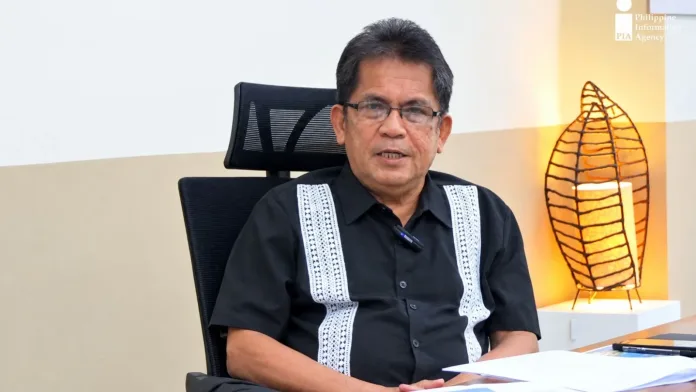
Former Commissioner of the National Labor Relations Commission's 8th Division in Cagayan de Oro City, Proculo Sarmen, proposes one solution: a federal-parliamentary system for the Philippines.
Sarmen believes this form of government would best serve Filipinos' interests.
In his recent post Wednesday, Sarmen, a seasoned lawyer and public servant, highlighted the Philippines' experimentations with various forms of governance, from colonial rule to the current 1987 Constitution framework.
Despite reforms, he noted that corruption, patronage politics, and dynastic control persist, underscoring the need for a more effective system.
Sarmen identified core issues plaguing the country, including corruption and misuse of resources by elites, weak and personality-based political parties, over-centralization of power in Metro Manila, and a weak justice system.
To address these challenges, he proposed three options for reform: strengthening the current presidential system, adopting a parliamentary system, or implementing a federal-parliamentary hybrid.
After careful consideration, Sarmen recommended a federal-parliamentary system with strong anti-corruption safeguards as the most suitable for the Philippines.
This system, he argued, would ensure accountability and efficiency through parliamentary mechanisms, decentralize resources and empower regions through federalism, and prevent corruption through robust safeguards.
Key safeguards proposed by Sarmen include the creation of an independent Constitutional Anti-Corruption Commission with prosecutorial powers, implementation of anti-dynasty measures, and reform of political parties.
He emphasized that the best form of government is not defined solely by structure but by strong institutions and accountability.
Sarmen's proposal offers a fresh perspective on addressing the country's perennial problems and promoting inclusive development.
His ideas offer a timely solution as the country faces governance challenges.