CITIZENS Action for Water Security (CAWSA), through its convenor lawyer Proculo Sarmen, rendered a favorable opinion supporting the Local Water Utilities Administration (LWUA) concerning a recent Department of Justice (DOJ) document.
Addressing a key question about the enforceability of DOJ opinions, Sarmen clarified that under Philippine law, the legal opinions issued by the Secretary of Justice are advisory in nature.
“The opinions of the Secretary of Justice provide guidance to government agencies and officials but do not have the force of law and are not binding on courts or other government bodies,” Sarmen stated.
He pointed out that the judiciary ultimately holds the final authority to interpret and apply the law in the Philippines.
The DOJ opinion, dated June 18, 2024, addressed to LWUA Administrator Jose Moises F. Salonga, was also examined.
CAWSA pointed out that the DOJ explicitly stated its opinion was limited to the specific issues raised by LWUA and did not comprehensively address all circumstances related to LWUA’s regulatory and supervisory powers under Presidential Decree No. 198, as amended.
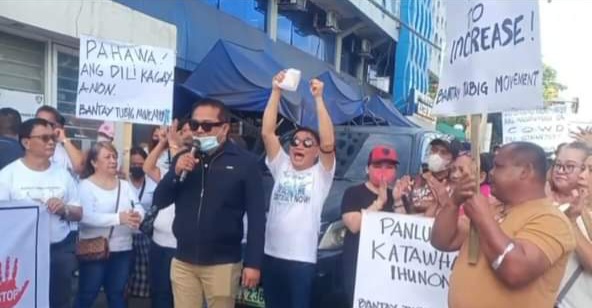
On his Facebook public post Friday morning, Sarmen outlined the extensive powers and functions of the LWUA Board of Trustees under Philippine law, particularly under the Provincial Water Utilities Act of 1973. Key responsibilities include policy formulation, supervision of local water districts, providing financial and technical assistance, regulatory oversight, rate approval, and the issuance of bonds.
These powers ensure that LWUA can effectively oversee and support local water districts, promoting reliable and sustainable water services.
CAWSA affirmed that LWUA has the authority to take over the management of local water districts under specific circumstances, such as mismanagement, financial instability, public health risks, requests from local government units, and non-compliance with legal and regulatory standards.
The Provincial Water Utilities Act provides the legal basis for such interventions, ensuring that water services continue without interruption and adhere to safety and regulatory standards.
Sarmen also confirmed that LWUA possesses the supervisory power to appoint interim Boards of Directors and interim Managers for local water districts when necessary.
This authority is essential for maintaining proper management and operation, particularly in situations where the existing management fails to meet its obligations or adhere to regulatory standards.
The favorable opinion from CAWSA supports LWUA’s position and clarifies the advisory nature of DOJ opinions. It underscores LWUA’s strong legal framework and its capacity to manage local water districts effectively.