CAGAUYAN de Oro City — Vice President Sara Duterte will face only one of the four impeachment articles filed against her after the Senate impeachment court on Tuesday, October 13, accepted the prosecution’s decision to drop three charges.
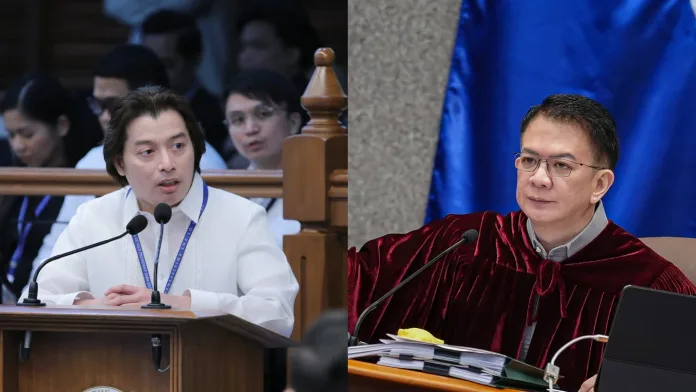
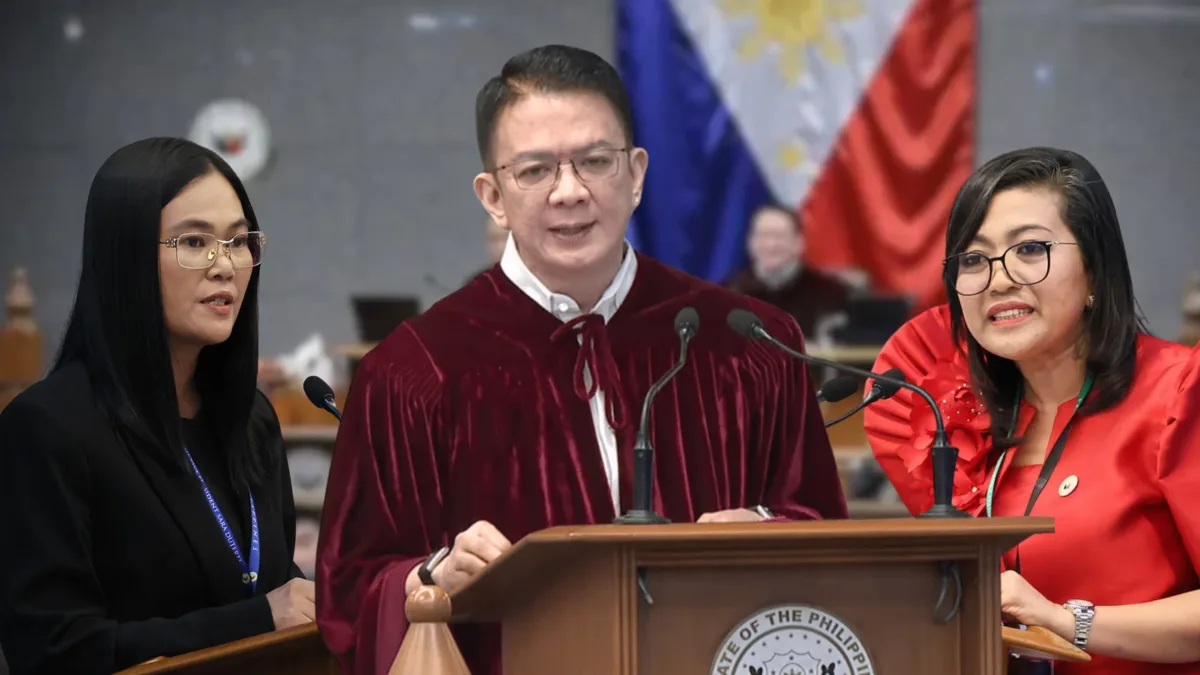
Senate impeachment court presiding officer Francis “Chiz” Escudero announced the ruling after House lead prosecutor Rep. Gerville Luistro told the tribunal that the prosecution would focus on Article II, which concerns allegations of unexplained wealth.
“The court accepts and confirms the prosecution’s manifestation,” Escudero said.
The three dropped articles covered the alleged misuse of confidential funds, bribery, and grave threats, including threats against President Ferdinand Marcos Jr., First Lady Liza Araneta Marcos and former House Speaker Martin Romualdez.
The remaining article accuses Duterte of having unexplained wealth, failing to fully declare her assets and liabilities, and not divesting from business interests as required by the Constitution.
The decision narrows the case, but it also raises questions about how the court will handle evidence already presented under the withdrawn articles and whether the defense will have a meaningful opportunity to challenge it.
Prosecution says evidence is enough
Luistro said the prosecution had decided to concentrate on Article II because it believed the evidence presented was sufficient to support Duterte’s removal from office.
“The prosecution believes it has presented sufficient evidence for Article II to stand on its own,” she told the court.
She said focusing on one article would shorten the proceedings and reduce the evidence and arguments the senator-judges would need to consider. About 32 previously listed witnesses would no longer be called.
The prosecution has presented allegations involving Duterte’s financial records and assets, with estimates of alleged unexplained wealth reaching at least ₱817 million and potentially ₱1.5 billion under a broader assessment.
These figures remain part of the prosecution’s case. They are not a final finding that Duterte unlawfully acquired wealth.
The prosecution maintains that the evidence under Article II is substantial enough to establish culpable violation of the Constitution and betrayal of public trust.
Sison says defense will proceed with evidence
Lead defense counsel Atty. Shiela Sison said the prosecution’s decision would not change the defense panel’s plan to present its own evidence.
“We respect the decision of the prosecution. However, whether this will affect how the defense plans to proceed with its presentation of evidence is something that we must make clear: It will not,” Sison said.
She argued that the prosecution should not be allowed to withdraw accusations after presenting evidence against Duterte without giving the defense a meaningful opportunity to challenge those allegations.
“The prosecution cannot make decisions for the respondent and the defense,” Sison said. “In other words, the prosecution cannot be allowed to have the benefit of its accusations without bearing the burden of having those accusations tested.”
Sison also questioned the fairness of allowing allegations to be presented during the trial and then withdrawn before the defense could fully respond.
She said the right to be heard involves more than simply allowing Duterte to submit evidence. It also requires a meaningful opportunity to answer material accusations already made against her.
The defense’s objection puts the spotlight on how the court will treat evidence connected to the three dropped articles and whether that evidence could still influence the senator-judges.
Court stresses right to rebut evidence
Escudero said the prosecution and defense should be allowed to present evidence alternately to prevent the defense from being placed at a disadvantage.
The concern is that the prosecution could present evidence supporting allegations, later withdraw the corresponding articles, and leave the defense with limited opportunity to rebut the claims already heard by the senator-judges.
The court’s handling of this issue will be important in ensuring that both sides have a fair chance to present their cases.
The prosecution’s decision to drop three articles does not establish that the allegations were true or false. Likewise, the remaining charge does not mean that Duterte has been found liable.
The prosecution must still formally offer its documentary evidence, which the defense may challenge before the court determines its admissibility.
The impeachment court will ultimately have to assess the evidence under the applicable constitutional standards and ensure that Duterte has an opportunity to answer the allegations.
For the public, the key questions are whether the prosecution can substantiate its remaining charge and whether the proceedings will allow the defense to challenge the evidence fairly.