CAGAYAN de Oro City — Northern Mindanao produced more palay in 2025, but consumers are still paying higher rice prices, raising questions about the region's supply chain and the impact of government efforts to keep food affordable.
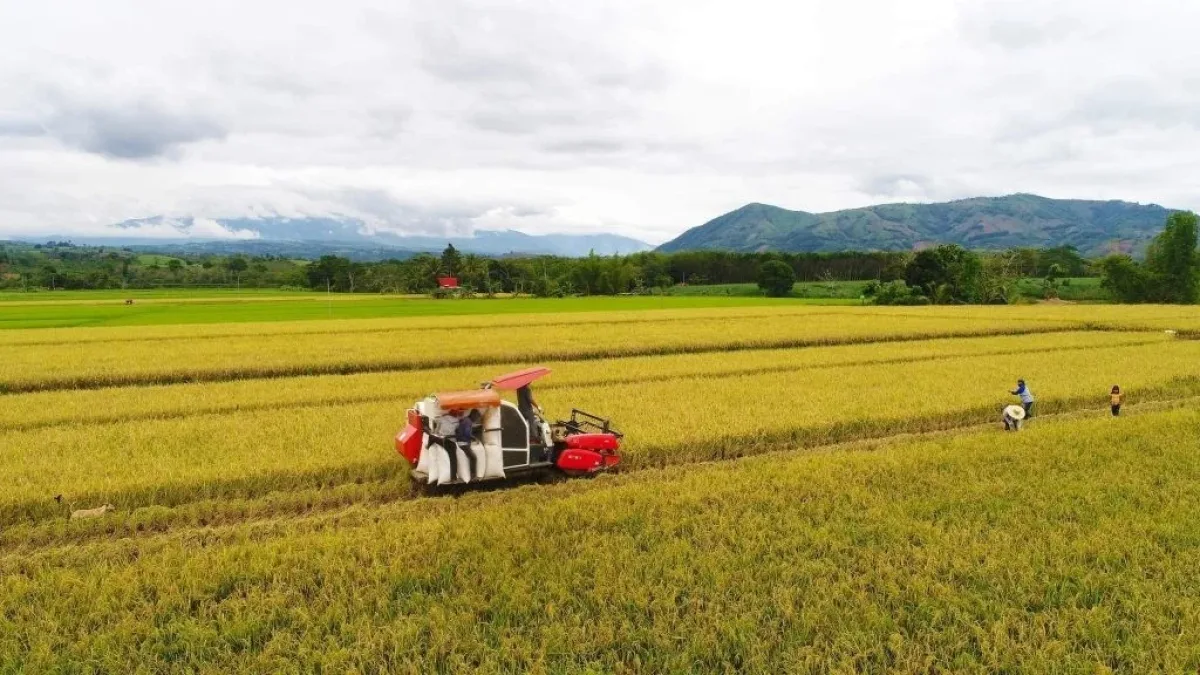
The region produced 835,445.6 metric tons of palay in 2025, up 2.6% from 814,081.2 metric tons in 2024, according to the Philippine Statistics Authority (PSA).
Bukidnon accounted for 62.4% of the region's total production, making it the biggest rice-producing province in Northern Mindanao.
But higher production has not translated into lower prices for consumers.
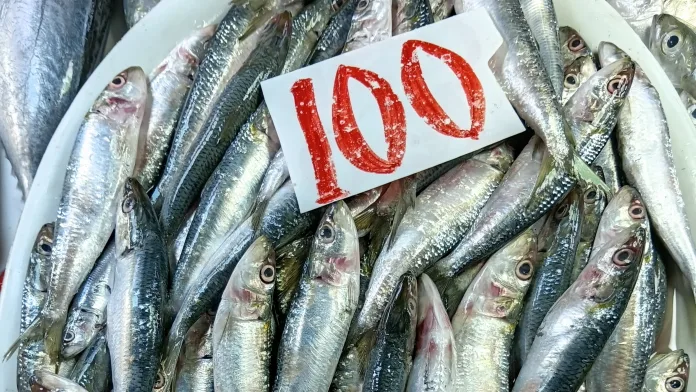
PSA data showed that regular milled rice in Northern Mindanao averaged P51.24 per kilo during the second phase of September 2026, up from P43.02 during the same period last year.
The increase means consumers paid P8.22 more per kilo than they did a year earlier.
The price was also slightly higher than the P50.54 average recorded during the second phase of August.
The figures raise questions about how rice moves from farms to markets and what happens between harvest and retail sales.
Farmers also face changing prices
Farmers have also seen changes in the prices they receive for their harvest.
PSA data showed that dry palay in Northern Mindanao averaged P21.64 per kilo in September 2026, up 26.8% from P17.06 a year earlier.
However, the September price was 7.3% lower than the P23.35 average recorded in August.
The figures show that farmers' earnings depend partly on changing farmgate prices, while consumers continue to face higher retail prices.
The difference between farmgate and retail prices does not automatically represent traders' profits.
Costs such as milling, transportation, storage, handling and distribution also affect the final price.
But these costs need to be examined to determine how much each part of the supply chain adds to the price paid by consumers.
Is local production enough?
The region's rice production figures also raise questions about its dependence on rice supplies from other areas.
The Northern Mindanao Regional Development Council's interim 2025 report placed the region's preliminary rice self-sufficiency ratio at 87.38%, up from 82.91% in 2024.
This means local production was still below the region's estimated rice requirement under the report's measure.
The figure suggests that Northern Mindanao continues to need rice from outside its production base to meet local demand.
However, the actual supply gap, the volume brought into the region and the sources of these deliveries need to be established through updated data from the Department of Agriculture (DA) and other concerned agencies.
The government must also explain how it monitors rice stocks and distribution to prevent supply problems, particularly during periods of poor harvests and transport disruptions.
What is the government doing?
The DA, National Food Authority and other agencies have programs intended to support rice farmers, maintain adequate stocks and help consumers access affordable rice.
But the results of these programs need to be measured against the problems farmers and consumers continue to face.
For instance, how much palay has the NFA purchased from farmers in Northern Mindanao?
How many local farmers have benefited from government assistance?
Are fertilizer, seed and machinery programs helping reduce production costs?
The agencies must also explain how much rice is available in government warehouses, how long these stocks can support local demand and whether their distribution reaches areas where prices are higher.
The questions are important because the government cannot measure the success of its agricultural programs only through the amount of money allocated or the number of beneficiaries listed.
Their impact should also be seen in farmers' incomes, stable rice supplies and prices that consumers can afford.
Farmers and consumers need answers
For rice farmers, higher production should mean better opportunities to earn from their harvest.
For consumers, increased supply should help keep rice accessible and affordable.
But production is only one part of the rice supply chain. The movement of palay, milling capacity, storage, transport costs, market competition and distribution also affect the price of rice.
DA-10 needs to explain whether these factors are contributing to the continued increase in retail prices and what steps it is taking to address them.
The agency should also provide updated figures on rice production, regional consumption, stocks, incoming supplies and the results of its farmer assistance programs.
Until these figures are made clear, consumers and farmers will have little basis for knowing whether government interventions are addressing the problems in the rice industry.