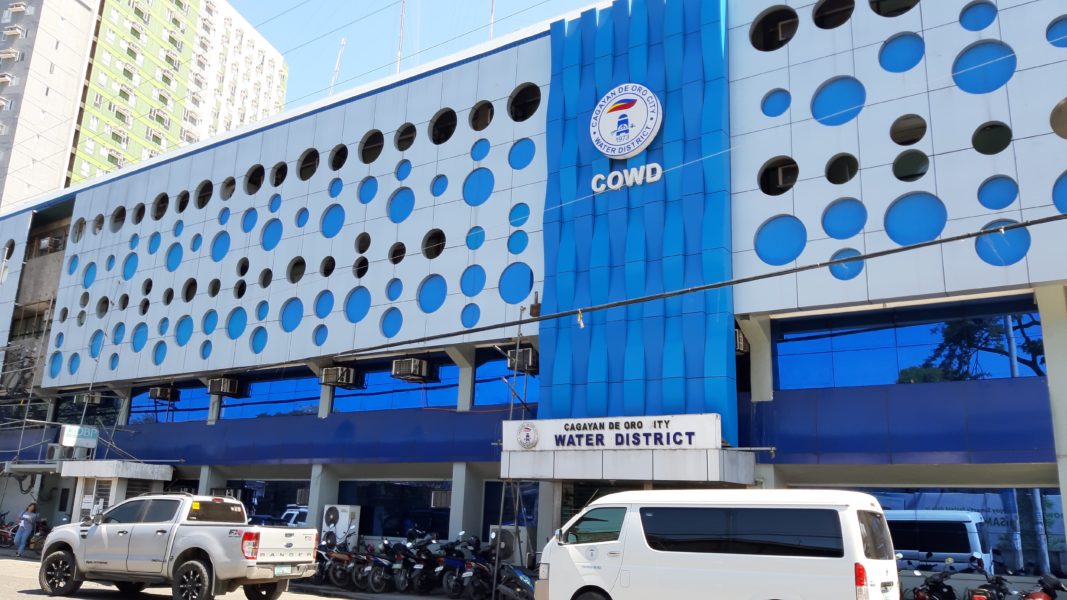
LAWYER Proculo Sarmen from the Community Alliance for Water Security Action (CAWSA) has spoken out about the Department of Justice's (DOJ) recent opinion on the Local Water Utilities Administration's (LWUA) role with the Cagayan de Oro Water District (COWD).
The DOJ issued a seven-page opinion on June 18, 2024, written by Undersecretary Raul T. Vasquez.
This document answered questions from LWUA Administrator Jose Moises Salonga about LWUA's powers under PD 198.
Sarmen stressed that the DOJ's opinion is advisory and not legally binding.
He even explained that in the Philippines, only the judiciary has the final say in interpreting and applying the law.
"The DOJ opinion is meant to guide but does not have the force of law," Sarmen said.
He clarified that such opinions do not hold mandatory legal power.
Sarmen mentioned that the DOJ's opinion did not cover all aspects of LWUA's authority under PD 198. He pointed out that the opinion dealt only with specific issues that were raised.
Sarmen listed the powers of the LWUA Board of Trustees. These include making policies, supervising local water districts, offering financial and technical help, regulating operations, approving rates, issuing bonds, appointing officials, and conducting studies.
A key point discussed was whether LWUA can take over the management of a local water district.
Sarmen confirmed that LWUA has this authority in certain situations.
"Yes, LWUA can manage a local water district if needed," Sarmen said.
He noted that this can happen if there is mismanagement, inability to meet obligations, public health and safety concerns, or a request from local government units.
Sarmen also highlighted that LWUA's intervention ensures continuous water service and compliance with standards.
He also confirmed that LWUA can appoint an interim Board of Directors and Manager for troubled local water districts.
This is part of LWUA's role to ensure proper management and service delivery.
Although the DOJ's opinion provides valuable insights, Sarmen emphasized it is a guiding document and not a definitive legal mandate.
Major changes or interventions may need judicial or legislative approval, according to Sarmen.
As Cagayan de Oro deals with a water crisis, the interaction of legal opinions, regulatory powers, and judicial interpretations will be important in finding a solution.
LWUA's role in managing local water districts like COWD will be closely watched, he said.
Sarmen stressed the advisory nature of the DOJ's opinion and called for cooperation among all stakeholders, including the judiciary, government agencies, and local communities.
He believes that a collaborative approach is necessary to address the ongoing water crisis in Cagayan de Oro.
In addition to this, Sarmen reiterated the need for judicial or legislative action for any major changes, and urged all parties to work together to ensure reliable and sustainable water services for residents.