Electricity keeps homes, businesses and communities running, but the workers who keep the power flowing must not be put in harm’s way.
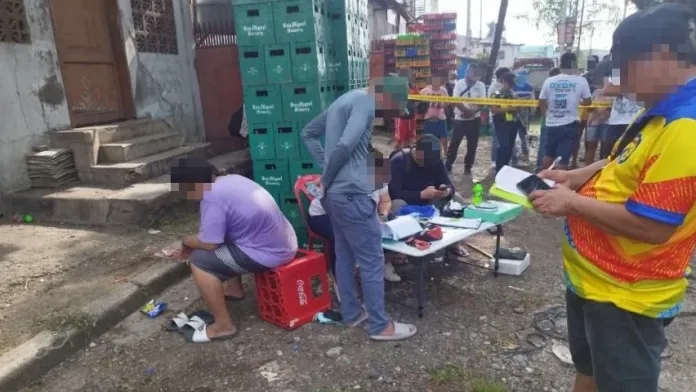
The Federation of Free Workers (FFW) commended the Department of Labor and Employment (DOLE)-MIMAROPA for its swift response after a PALECO lineman was injured in a workplace accident, saying the incident highlights the need to put worker safety ahead of speed.
DOLE’s investigation found serious occupational safety and health deficiencies involving the cooperative’s Permit-to-Work and Cold Line Activity procedures, hazard identification and risk assessment, Lockout/Tagout protocols, electrical protective equipment, toolbox meetings and accident reporting.
Because of the identified hazards, DOLE ordered the cessation of critical electrical work until the violations were addressed.
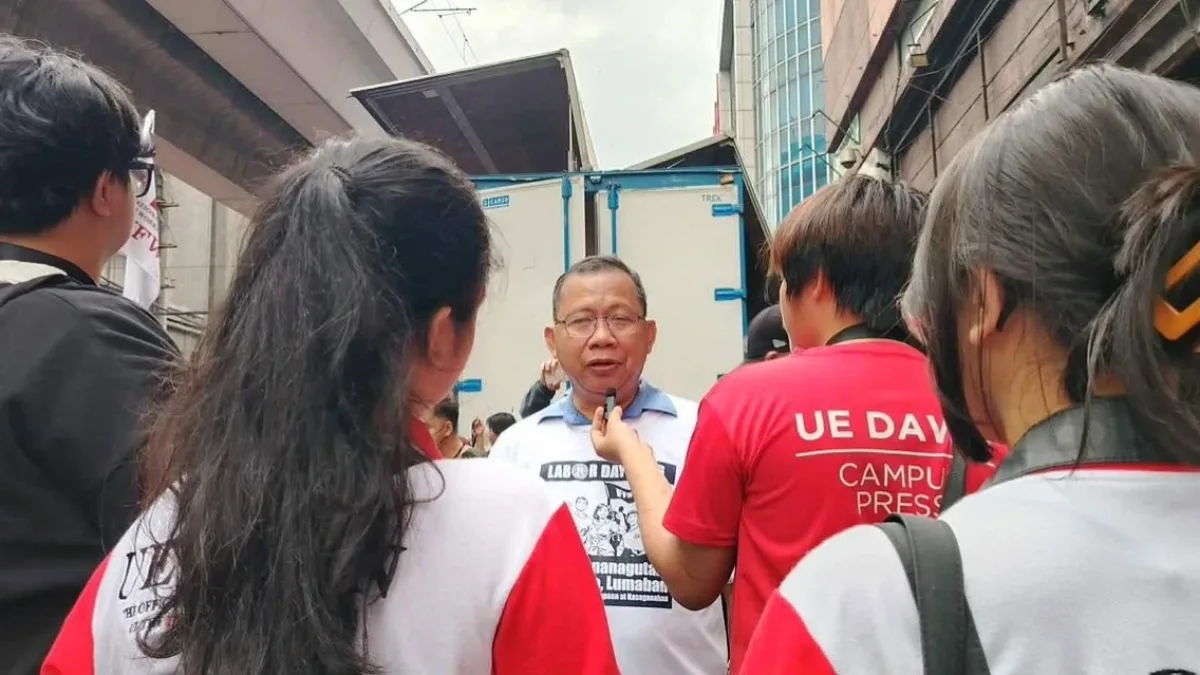
“Kailangan natin kumilos ng mabilis lalo na electricity is essential, but the worker who keeps the lights on is even more precious. DOLE did the right thing—when there is imminent danger, safety cannot wait,” said Leo dela Torre Aungon, president of the JGC Workers Union-FFW in Rio Tuba, Bataraza, Palawan.
FFW also welcomed PALECO’s immediate corrective measures, including strengthening its Permit-to-Work system and Cold Line Activity Protocol, conducting hazard identification and risk assessment and Job Safety Analysis, implementing documented Lockout/Tagout procedures, requiring proper electrical PPE, banning unprogrammed or additional work, and making toolbox meetings mandatory.
Peter Pacaña of the Coral Bay Junior Staff Union-FFW in Puerto Princesa City stressed the need for continued vigilance on occupational safety and health.
He also welcomed DOLE’s decision to lift the Work Stoppage Order on Aug. 8, allowing critical electrical operations to resume while avoiding unnecessarily prolonged power interruptions in Palawan.
DOLE-MIMAROPA Regional Director Naomi Lyn C. Abellana formally lifted the order on Aug. 8, subject to validation by the regional office.
For FFW, the incident shows that worker safety and reliable public service do not have to be competing priorities.
The solution is clear: remove the danger, protect the worker, and restore the service safely. (Ben Balce, Editorial Lead)