CAGAYAN de Oro City — Young Filipinos need stronger skills and better access to employment opportunities to compete in an increasingly connected Southeast Asian workforce, the National Youth Commission (NYC) said.
The commission urged young people in Northern Mindanao to address learning gaps, develop skills needed by emerging industries and explore education, training and professional opportunities across the Association of Southeast Asian Nations (ASEAN).
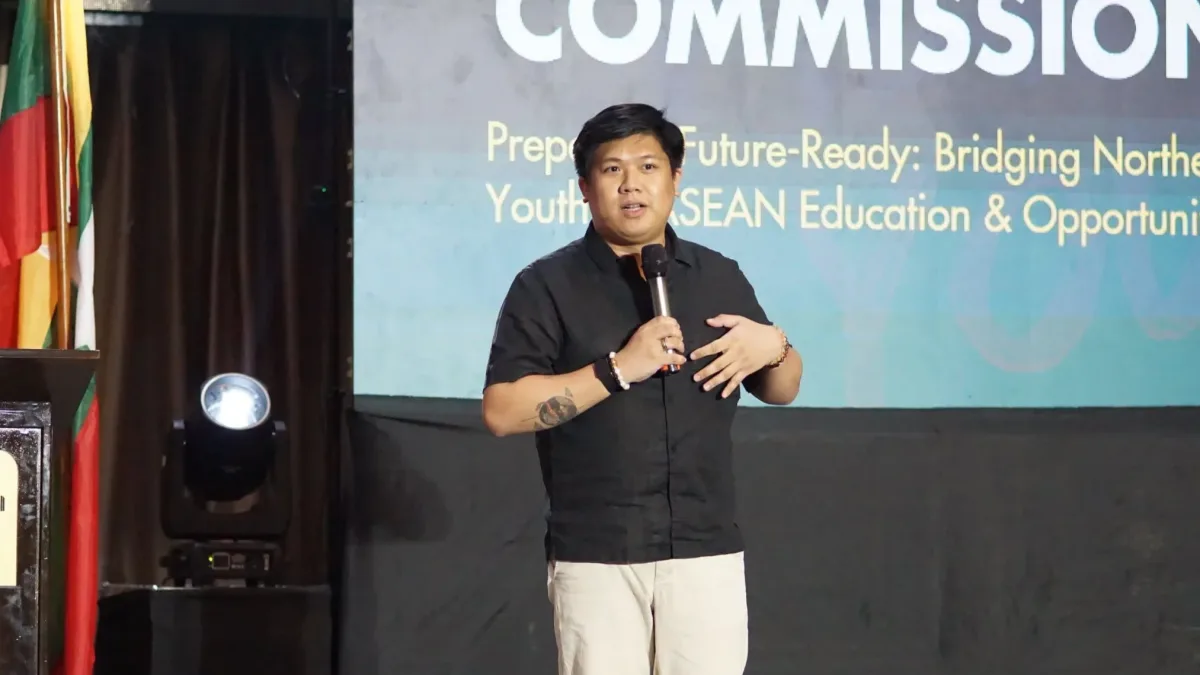
Assistant Secretary Gervy James N. Gumarit, NYC commissioner-at-large, raised these concerns during the ASEAN Multisectoral Forum in Cagayan de Oro City on Oct. 29.
He said the mismatch between what schools teach and what employers need continues to make the transition from education to employment difficult for many young Filipinos.
Gumarit cited an observation shared by an instructor in Region 10, who found that some first-year engineering students struggled with basic arithmetic despite entering college.
He attributed the difficulty not to a lack of ability but to learning gaps that accumulated during pandemic-related disruptions.
He also cited an estimated 2.6 million young Filipinos who are not in education, employment or training, underscoring the need to strengthen links between schools and industries.
Mindanao Gold Star Daily has sought the reference year and source of the figure but has yet to independently confirm these details.
Through its 2026 Policy Research and Legislative Agenda, the NYC is pushing for education and training programs that better prepare young people for changing workplace demands.
Gumarit said students and graduates need competencies in digital literacy, artificial intelligence (AI), green skills and climate resilience as industries and job requirements evolve.
“Future-readiness is not about learning how to use yesterday's software. It is about embedding green skills, artificial intelligence, digital literacy, and climate resilience directly into technical and higher education,” he said.
He also stressed the importance of making Filipino educational qualifications and professional certifications more recognizable across ASEAN member states.
The NYC is advocating alignment of higher education and technical-vocational certifications with ASEAN Mutual Recognition Arrangements, which help qualified professionals in covered occupations pursue opportunities in other member countries.
“Your certification must carry weight in Jakarta, Bangkok, or Manila,” Gumarit said.
He encouraged young Filipinos to explore regional programs that offer exposure to other cultures, leadership development and professional learning.
Among these are the Japan-East Asia Network of Exchange for Students and Youths (JENESYS), BIMP-EAGA youth initiatives, the ASEAN Youth Dialogue and the Ship for Southeast Asian and Japanese Youth Program (SSEAYP).
Gumarit also said the NYC plans to develop a youth compendium with the Department of Information and Communications Technology to gather information on scholarships and internship opportunities offered by government agencies and nongovernment organizations.
He encouraged student leaders and Sangguniang Kabataan officials to use digital platforms to access opportunities, strengthen their communication skills and remain focused on serving their communities.
The forum, organized by the Philippine Information Agency-10, carried the theme “Connecting Northern Mindanao to ASEAN Through Innovation, Education and Digital Transformation.” (With a report from Recthie T. Paculba/PIA-10)