CAGAYAN de Oro City— The Philippine Heart Association (PHA) Northwestern Mindanao Chapter is stepping up its fight against heart disease by bringing its advocacy closer to communities in Northern Mindanao.
The chapter formally opened its new office at Maria Reyna Xavier University Hospital in Cagayan de Oro City, providing a base for campaigns promoting heart health, early detection and regular medical checkups.
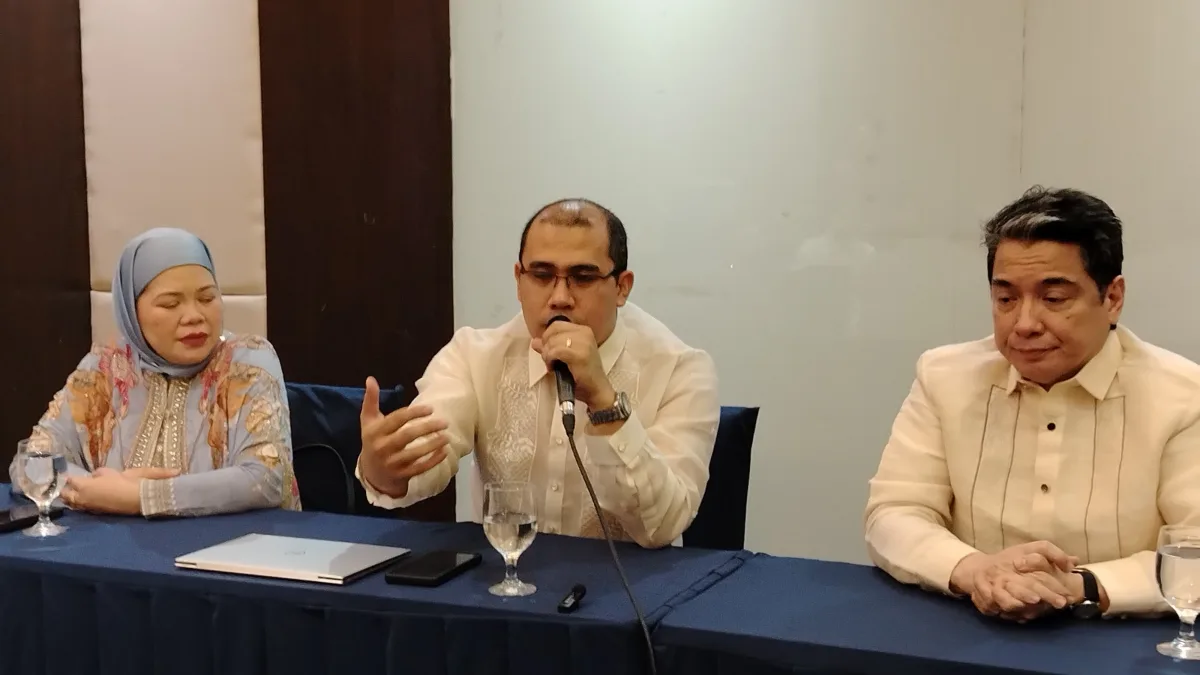
Dr. Richard Henry P. Tiongco II, PHA vice president and an interventional cardiologist, said the group wants to break the stigma that keeps many Filipinos from seeking medical care, particularly for hypertension or high blood pressure.
“Dapat alamin natin kung ano ang second name ng high blood—silent killer,” Tiongco said, stressing that hypertension often has no obvious symptoms until it leads to serious complications.
He said the country has only about 2,500 practicing cardiologists, making it crucial to expand community-based health education and prevention efforts.
Tiongco urged local government units (LGUs) to become stronger partners in bringing heart health programs down to the barangay level.
He said barangay health workers can play a key role in identifying people at risk, promoting regular checkups and educating communities about cardiovascular disease.
Unhealthy eating habits and lack of health information also continue to put Filipinos at risk of heart-related illnesses, Tiongco said.
Meanwhile, Dr. John Daniel Ramos, regional president of the PHA Northwestern Mindanao Chapter, said the organization has served the region since 1992 and continues to support patients and communities dealing with cardiovascular diseases.
The chapter's advocacies include the “Puso Muna” campaign and community-based cardiopulmonary resuscitation (CPR) training.
“We are closer to where we should be,” Ramos said, noting that the new Cagayan de Oro office will help the organization reach more communities across Northern Mindanao.
With the new office, the PHA aims to strengthen partnerships with LGUs and other local stakeholders while making heart health information and prevention efforts more accessible to the public.
For residents, the message is simple: don't wait for symptoms before taking care of your heart.