ILIGAN City — Researchers, hospitals and government agencies are being urged to work more closely with communities to turn health studies into practical solutions for Northern Mindanao’s healthcare problems.
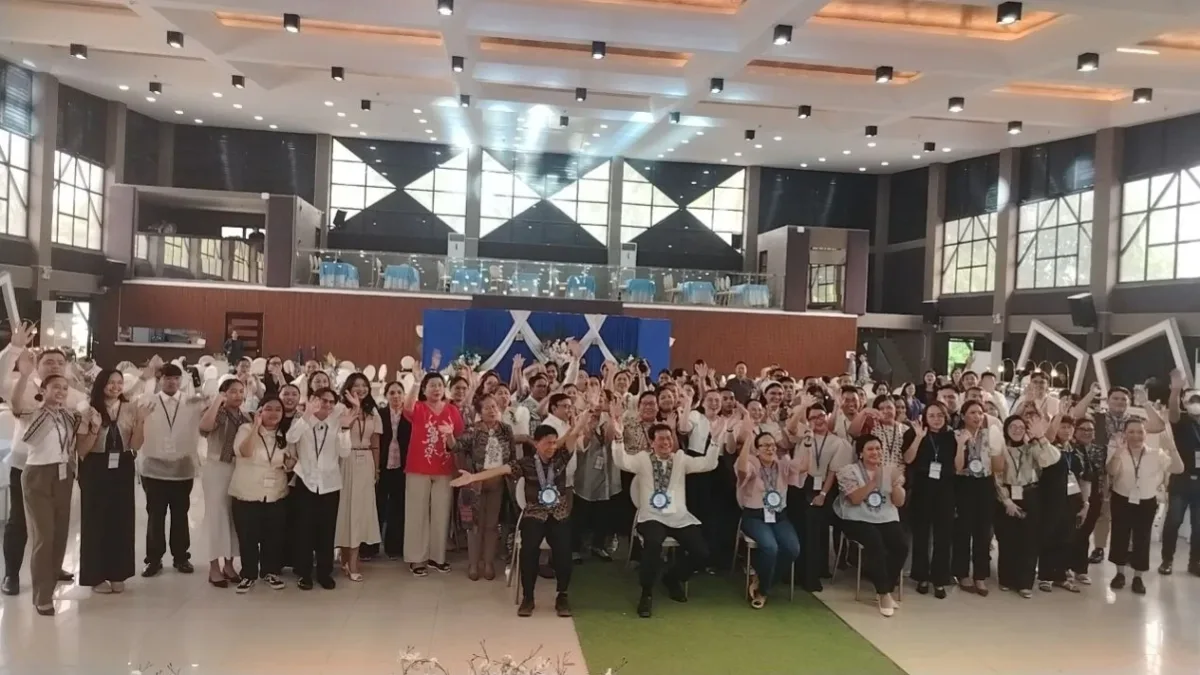
The call was raised during the 9th Regional Health Research Conference held Oct. 6-7 at D’Orchard Hall in Iligan City, where participants discussed how research can improve health services, guide policies and address barriers to medical care.
Hosted by Iligan Medical Center College (IMCC), the two-day event gathered researchers, students, faculty members, healthcare practitioners and other stakeholders under the theme “Bridging Regional Health Challenges Through Transdisciplinary Research.”
Dr. Maria Teresa Sharon C. Linog, a research associate at the Research Institute for Mindanao Culture, said scientific data must be considered alongside community knowledge and the social and economic conditions that affect people's health.
While epidemiological data help identify disease patterns and assess health programs, she said numbers alone cannot explain why health problems persist.
Linog also stressed that research findings must reach communities and inform government programs to make a meaningful difference.
Bridging gaps in healthcare
IMCC President Dr. Royce S. Torres said no single institution can address the region’s health challenges alone, particularly as patients face financial constraints and gaps in community-level healthcare.
He also highlighted the financial pressures on private hospitals that depend heavily on Philippine Health Insurance Corp. (PhilHealth) reimbursements, saying healthcare financing must be addressed alongside clinical services.
IMCC’s hospital also gives nursing and allied health students opportunities to gain clinical experience, helping them understand patient needs and identify gaps in service delivery, Torres said.
Bonita B. Manguilimotan, science research specialist II and Department of Science and Technology-Northern Mindanao regional coordinator of the Northern Mindanao Consortium for Health Research and Development (NorMinCoHRD), said the conference provides a platform for institutions to share findings and build partnerships.
Activities included oral and poster research presentations, a three-minute research pitch for policymakers and an infomercial competition to communicate findings to wider audiences.
Manguilimotan said closer cooperation between academic researchers and hospital practitioners can help researchers access relevant data while allowing healthcare providers to use research findings to improve services.
She added that research must go beyond academic presentations and contribute to better healthcare delivery and community programs.
The conference forms part of the Philippine National Health Research System’s broader effort to strengthen coordination among research institutions and stakeholders.
Organizers said sustained collaboration and evidence-based policies can help develop practical, lasting responses to the diverse health needs of Northern Mindanao communities.