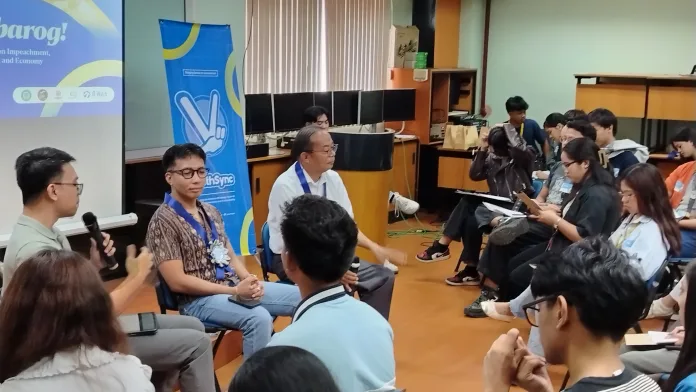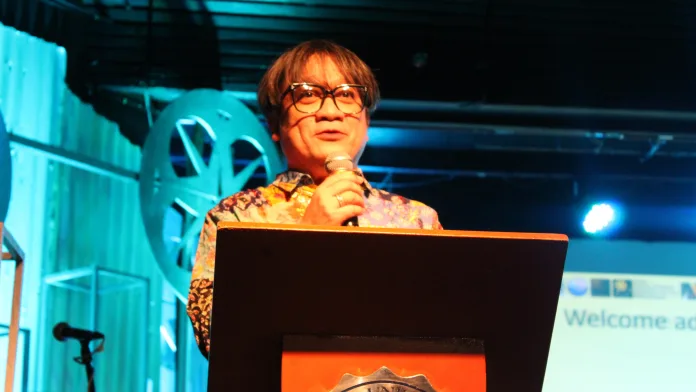
ILIGAN City — Local governments should play a bigger role in deciding what skills workers need as jobs change, Technical Education and Skills Development Authority (TESDA) Director General Secretary Kiko Benitez said.
Benitez said TESDA will launch Train Lokal in November to strengthen partnerships with local government units (LGUs) in identifying job needs, planning workforce programs and delivering community-based technical-vocational training.
He said LGUs, TESDA, local employment offices and industries can work together to identify skills needed in their communities and make sure training programs match available and emerging jobs.
Iligan City Mayor Frederick W. Siao said the city has created a local Technical Education and Skills Development Council to help oversee its skills programs and identify which training programs and beneficiaries should be prioritized.
The council brings together local stakeholders to identify community needs and help the city prepare its requests to TESDA, Siao said.
He said the city government provides funding for skills programs but needs more resources as training becomes more advanced and costly.
Benitez also warned that a proposed cut in TESDA's 2027 budget could reduce the number of scholarship beneficiaries from about 600,000 to 630,000 this year to roughly 440,000 next year, if the proposal is approved.
“The impact is very clear. The impact would be a decrease in the number of scholarship slots that we can serve,” Benitez said.
He said higher-level diploma programs could be among those affected.
Benitez said TESDA will appeal to Congress for additional funding while continuing to work with LGUs and other partners. The agency is also prioritizing sectors expected to generate jobs, including information and communications technology, artificial intelligence and semiconductors.
"The House added P2 billion to the 14 or so billion that was given to us, and that is, and TESDA is hoping that the Senate adds the additional P3 billion para at least parehas lang for 2026 and 2027 — so, cross our fingers that they would do so," he said.
Siao said skills training can give Filipinos another pathway to employment without necessarily requiring a college degree.
He cited practical skills and emerging fields such as artificial intelligence and mechatronics as areas where workers can gain competencies through specialized training.
Benitez said technical-vocational education should no longer be seen simply as an alternative to college as employers increasingly focus on what applicants can do.
"So there is a shift to skills as the basis for employment and hiring," Benitez added.
He also encouraged Filipinos to use the TESDA Skills Passport, a digital platform that provides information on training programs, career guidance and employment opportunities.
Both officials said continued cooperation among TESDA, LGUs, schools, industries and communities is needed to help workers gain skills suited to current and future jobs.