CAGAYAN DE ORO CITY — Residents across Northern Mindanao are being urged to stay alert following the powerful earthquake that struck offshore Maasim, Sarangani, on Monday, as authorities warn that aftershocks may continue in the coming days.
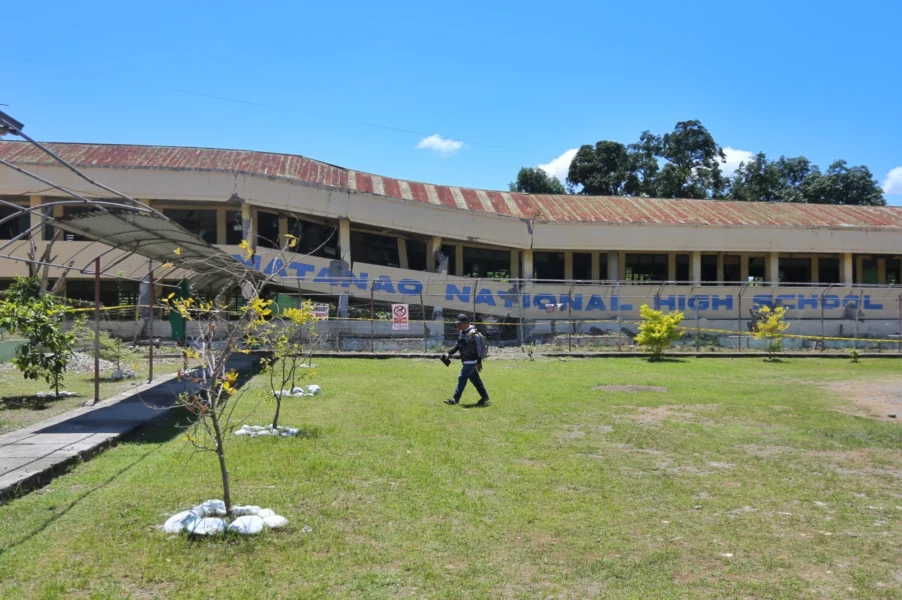
The Philippine Institute of Volcanology and Seismology (PHIVOLCS) said aftershocks are a normal occurrence after major earthquakes and may pose additional risks, particularly to structures that have already sustained damage.
Disaster officials reminded the public not to let their guard down even after the initial shaking has stopped.
What should residents do?
PHIVOLCS advises residents to:
- Check for injuries and provide first aid if needed.
- Stay away from damaged buildings, walls, and other structures that may collapse during aftershocks.
- Inspect homes for cracks and structural damage before reentering.
- Keep emergency kits ready and monitor official advisories.
- Follow instructions from local authorities and disaster response agencies.
What about schools and workplaces?
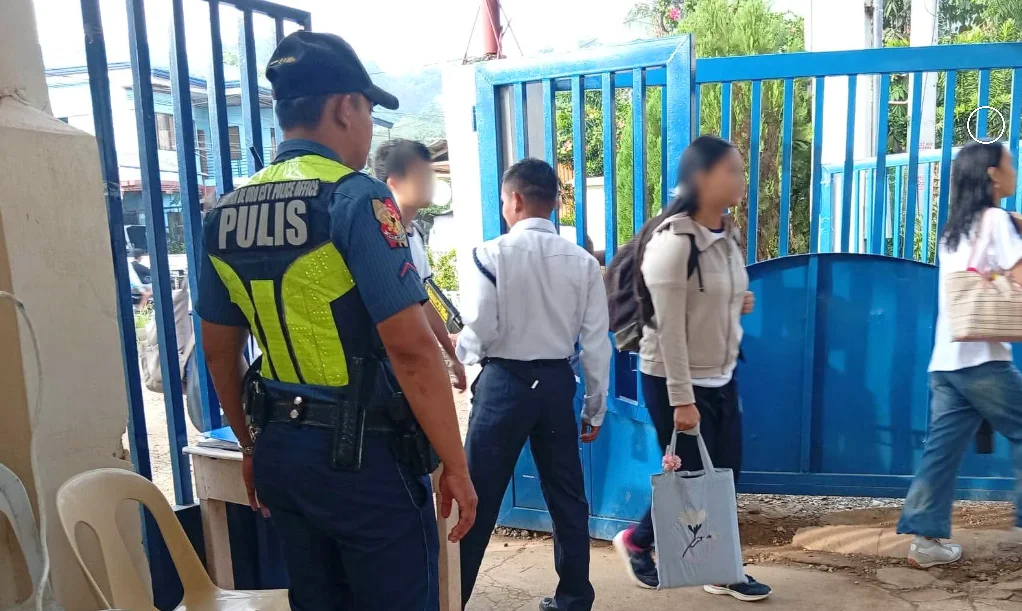
Students and teachers are advised to remain in designated evacuation areas until school officials complete safety inspections and declare facilities safe for occupancy.
Read also: Why the quake hit hard—and triggered a tsunami alert
Employees, shoppers, and business owners are likewise encouraged to follow evacuation protocols and wait for official clearance before returning to buildings.
Safety reminders for motorists
Motorists traveling during an aftershock should safely pull over in an open area away from bridges, power lines, trees, and buildings. Drivers should remain inside their vehicles until the shaking stops and it is safe to continue.
Damage assessment underway
The Office of Civil Defense (OCD) Regional Office X has deployed a Rapid Damage Assessment and Needs Analysis (RDANA) Team to assist assessment operations in Region XII, one of the areas hardest hit by the earthquake.
The team, composed of personnel from national agencies and local disaster response offices, is tasked with evaluating damage and identifying the immediate needs of affected communities.
According to OCD-X, the deployment will help guide relief, response, and recovery efforts while ensuring that authorities receive timely and accurate information from affected areas.
You may also like: Classes back in CDO; suspension status varies across Normin
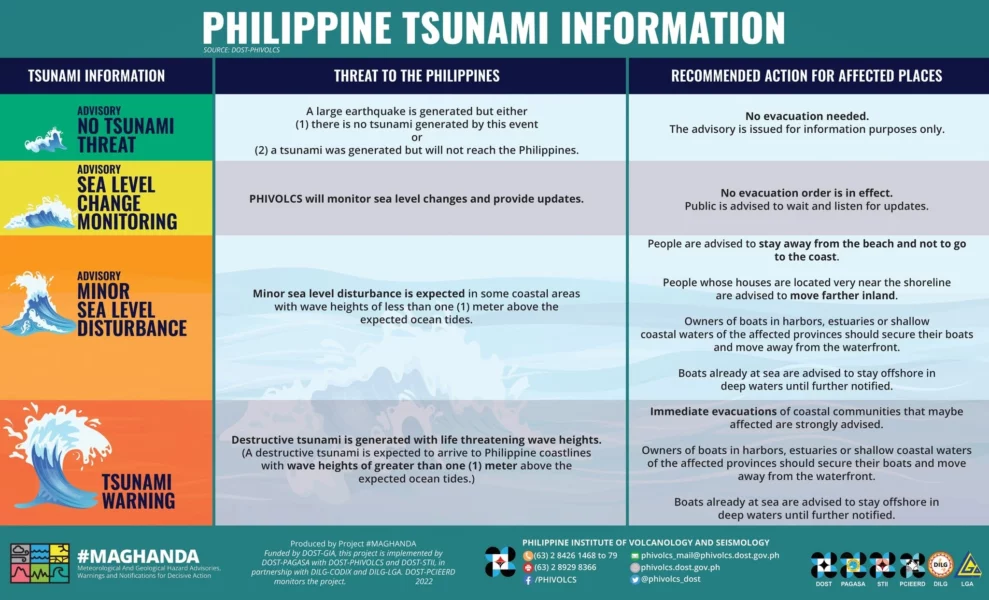
As assessments continue, residents are encouraged to rely on updates from PHIVOLCS, the Office of Civil Defense, and their local government units.
Disaster officials emphasized that preparedness, vigilance, and adherence to safety protocols remain critical as communities cope with the effects of the earthquake and the possibility of further aftershocks.