CAMIGUIN — Residents can expect faster disaster response and more science-based solutions for food security and climate resilience as the Department of Science and Technology (DOST) opened the three-day Regional Science, Technology and Innovation Week (RSTIW) in Camiguin on Tuesday, July 22.
Carrying the theme, "Driving Food Security, Sustainable Energy, and National Resilience," the event highlights technologies and programs that aim to improve everyday life, particularly for communities vulnerable to disasters and climate-related challenges.
One of the major highlights was the launch of the country's first Smart Mobile Kitchen, led by DOST Secretary Renato Solidum Jr. and local officials.
The mobile facility is designed to provide hot meals to evacuees and affected families during disasters, helping speed up emergency response.
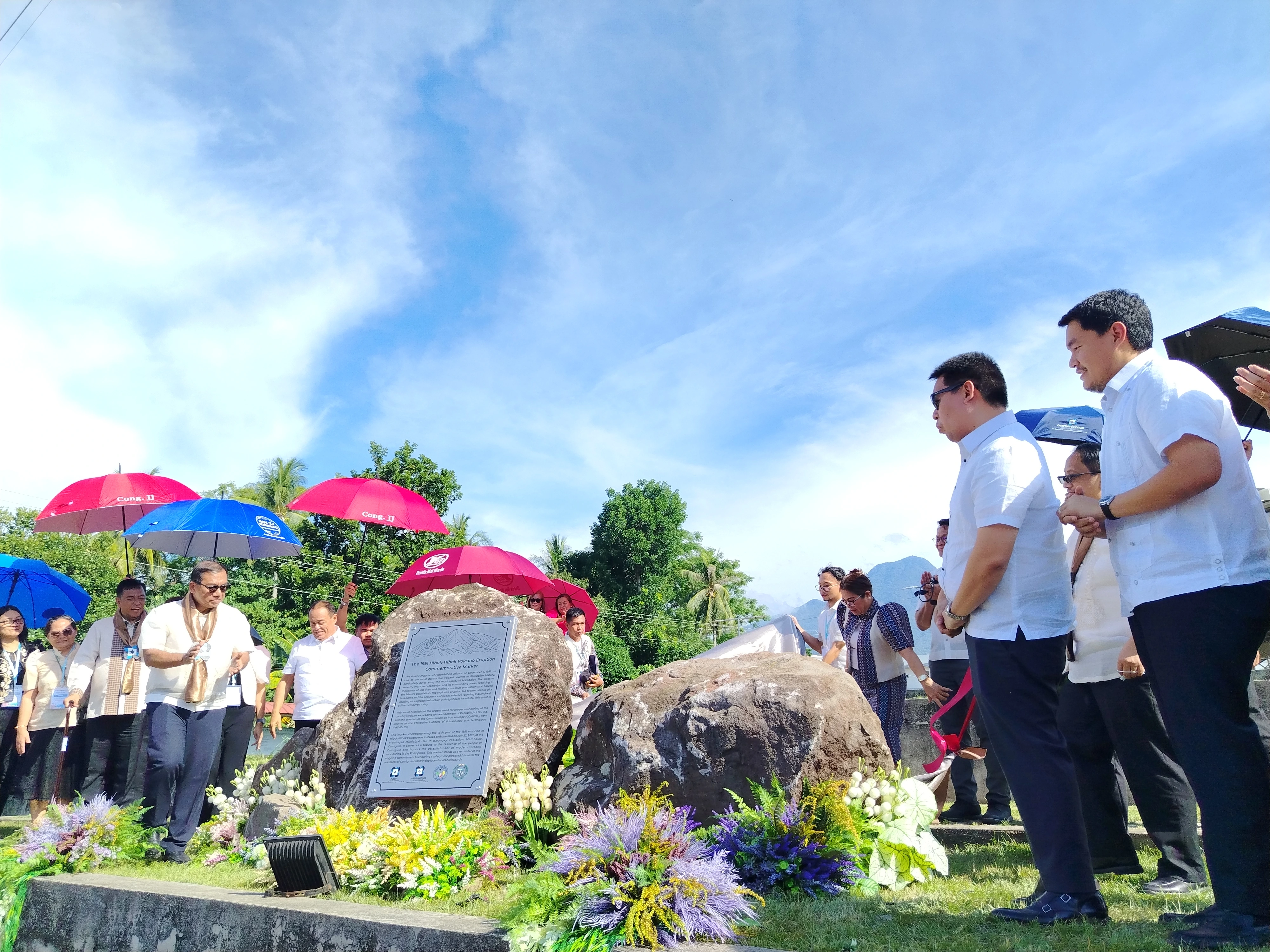
Officials also unveiled a commemorative marker honoring the victims and lessons of the 1951 Mt. Hibok-Hibok eruption in Mambajao and inaugurated a new sewage water treatment plant in Sitio Balintawak, projects that underscore the role of science in public safety and environmental protection.
Camiguin Gov. Xavier Jesus Romualdo said science, technology and innovation should ultimately be judged by how they improve people's lives.
"Our success in science, technology and innovation will not be measured by the number of discussions we hold or the technologies we showcase" said Romualdo adding, "It will be measured by the solutions we put into practice, the partnerships we sustain, and the positive change we bring to our constituents."
He noted that practical innovations are becoming more critical as communities face growing challenges from food insecurity, natural disasters and climate change.
Solidum said Camiguin was selected to host this year's RSTIW because its history as a volcanic island reflects the importance of science in disaster preparedness and resilience.
He said the 1951 Mt. Hibok-Hibok eruption serves as a reminder of the need for continuous monitoring of geologic hazards while promoting sustainable development and protecting communities.