By KASSANDRA BALCURZA
CAGAYAN DE ORO CITY — Residents are being urged to prepare for disasters ahead of emergencies as the country observes National Disaster Resilience Month, highlighting the importance of prevention, preparedness, response, and recovery in protecting communities.
Under Executive Order No. 29, s. 2017, the Philippines Disaster Risk Reduction and Management System focuses on four key pillars aimed at reducing damage, saving lives, and helping communities recover faster after disasters.
The first pillar, Disaster Prevention and Mitigation, focuses on reducing risks before disasters happen. This includes flood control projects, stricter building standards, and hazard mapping to identify danger-prone areas and lessen possible damage and casualties.
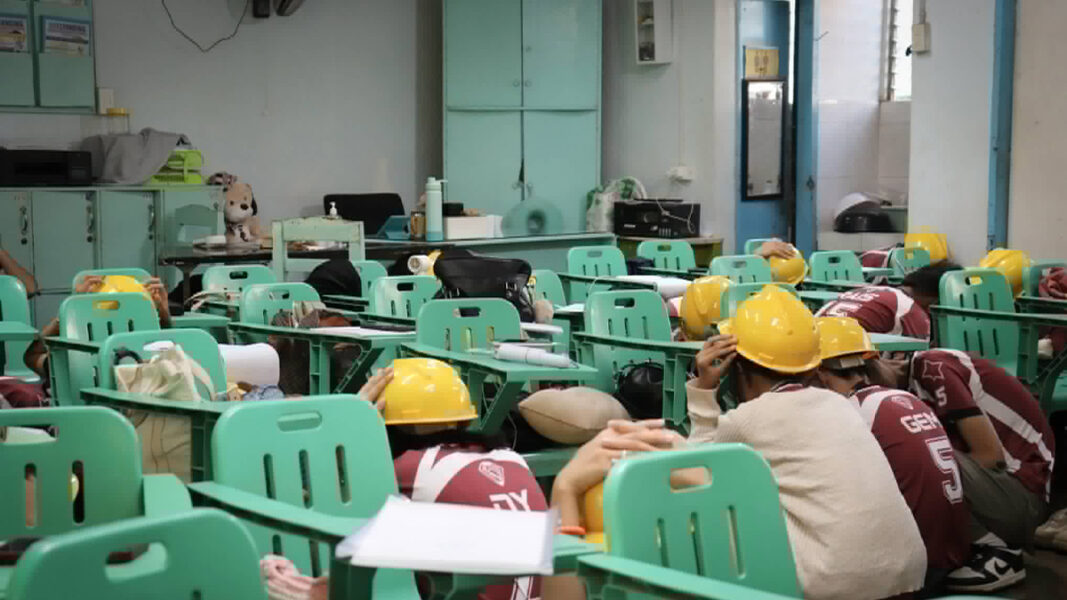
Disaster Preparedness centers on helping residents know what to do before, during, and after emergencies. Authorities encourage communities to join evacuation and fire drills, attend emergency response training, prepare emergency go-bags, and stay updated on weather alerts and warning systems.
Disaster Response covers immediate actions during emergencies to protect lives and provide basic needs. These include search and rescue operations, medical assistance, emergency shelters, and the distribution of food, water, and clothing to affected families.
Meanwhile, Disaster Rehabilitation and Recovery focuses on rebuilding communities and restoring livelihoods after disasters while improving resilience against future hazards.
Authorities said disaster preparedness starts with simple actions at home, such as identifying evacuation routes, storing emergency supplies, and learning local hazard risks.
Officials also reminded residents that while disasters cannot always be prevented, their impact can be reduced through community cooperation and early preparation.
“Preparing today can save lives tomorrow,” disaster officials said, encouraging residents to actively participate in community disaster drills and resilience programs.