By DHALIA GOLING, Shaina Bea YBANEZ,
and KASSANDRA BALCURZA
While official data suggests that schools in Cagayan de Oro (CDO) remain generally safe, a series of violent incidents in recent years has left many students and parents worried about campus security.
From viral student assaults to deadly crimes near school grounds, concerns are growing over whether police visibility and stricter inspections are enough to protect learners.
Authorities have responded by increasing police deployment, conducting bag inspections, and strengthening anti-bullying policies. But interviews with students and parents reveal a deeper issue: real safety cannot rely on guards and checkpoints alone. It must also address mental health, family problems, and unsafe school environments.
Violent Incidents Raise Alarm
Between 2021 and 2026, several incidents pushed schools and local officials to revisit campus safety measures.
Viral Student Assaults
On February 12, 2026, two separate assaults involving female students spread online.
One incident happened inside a restroom near Misamis Oriental General Comprehensive High School (MOGCHS), where a student was slapped, dragged, and humiliated while another student watched and smiled.
On the same day, another female student was attacked along a road in Barangay Lapasan. Videos showed several girls pulling the victim’s hair and pushing her to the ground. Authorities later said students from different schools were involved.
School Rumbles
In July 2025, the Department of Education in Northern Mindanao investigated student rumbles involving Cugman and Bulua National High Schools.
While initially feared to be gang-related, education officials clarified that the fights started from personal conflicts and bullying that escalated into group violence.
Crime Near Campuses
In September 2022, a fatal stabbing outside Xavier University – Ateneo de Cagayan forced the university to temporarily move afternoon and evening classes online.
The incident sparked calls from students for stronger safety measures around school areas.
The Hidden Problem: Emotional Bullying
Research conducted in the hinterland schools of CDO found that emotional bullying remains widespread even if physical bullying cases appear low.
Students who experienced bullying reported anxiety, emotional distress, declining grades, and increased risk of self-harm.
The findings suggest that many school conflicts begin long before physical violence happens.
How Schools and Authorities Responded
Schools and local agencies have strengthened security through physical, legal, and operational measures.
Stronger Anti-Bullying Policies
Under DepEd Order No. 6, series of 2026, schools must now follow clearer procedures in handling bullying complaints.
The policy also requires schools to orient parents about legal consequences, including possible involvement of barangay officials or police authorities.
Schools are likewise required to comply with Republic Act 10627 or the Anti-Bullying Act of 2013.
Police Deployment
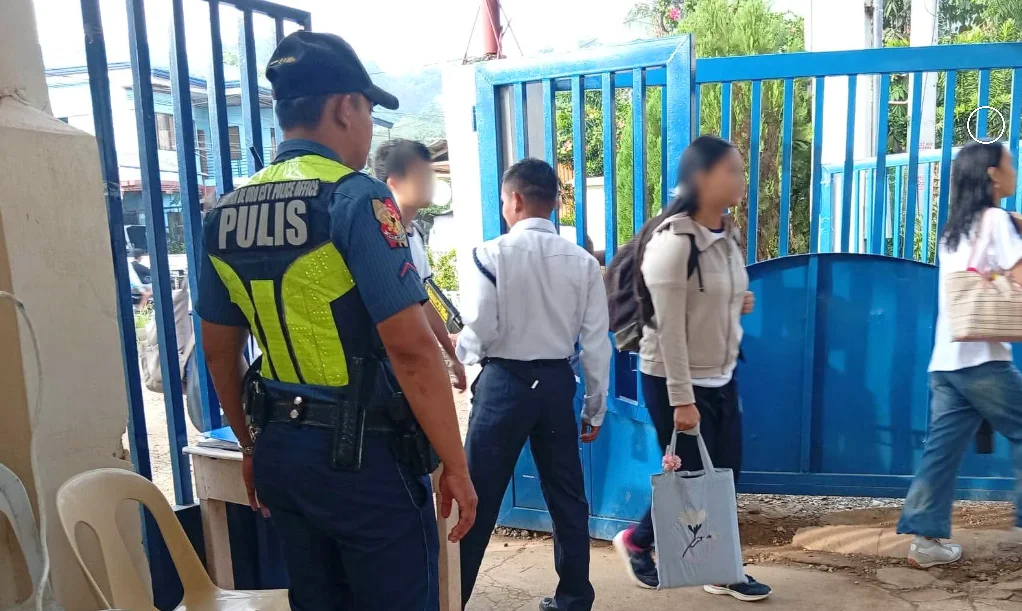
The Cagayan de Oro City Police Office regularly deploys more than 120 personnel during major school activities and class openings.
Police assistance desks and foot patrols are often placed near schools such as MOGCHS and Cogon-area campuses.
Bag Inspections and Security Checks
Schools have tightened security inspections at gates.
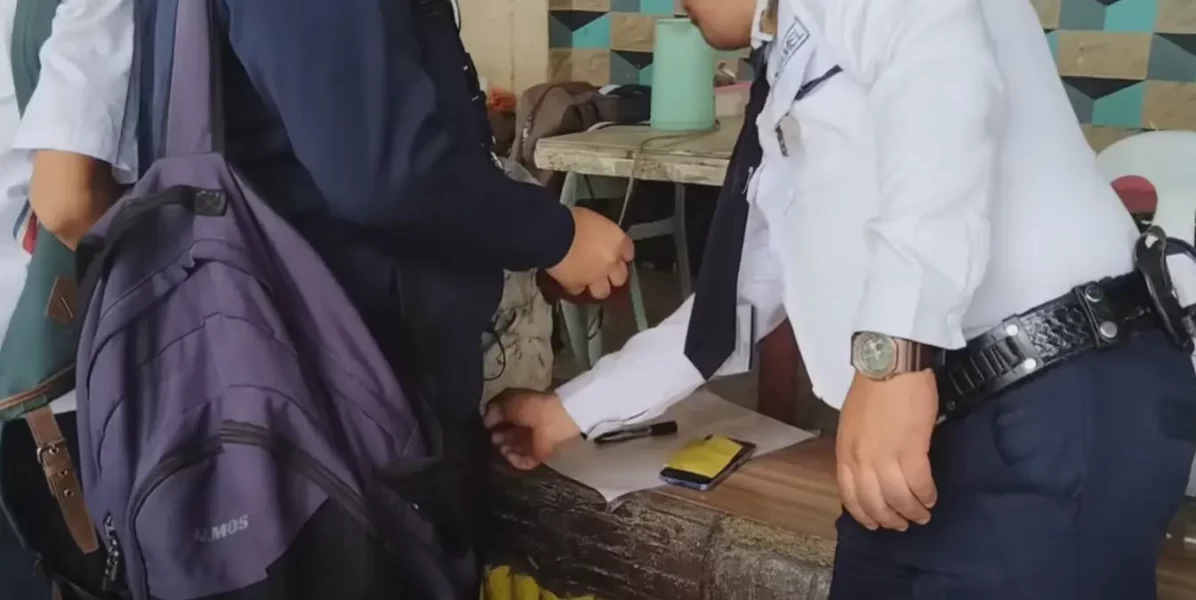
Teachers and school personnel now conduct random bag inspections in the presence of students. Parents are also encouraged to check their children’s belongings before leaving home.
Transport and Campus Security
The Land Transportation Franchising and Regulatory Board and the Land Transportation Office continue inspections of school vehicles under OPLAN Balik Eskwela.
Meanwhile, universities such as Xavier University – Ateneo de Cagayan maintain internal security systems and contracted security agencies to monitor campus safety.
Students Say Safety Is More Than Police Presence
Despite these measures, many students believe visible policing alone cannot solve the deeper problems behind violence.
Hilary V. Orasan, an outgoing history student, said police presence can sometimes create fear rather than comfort.
“We need people to understand the root causes of student problems,” Orasan said.
She pointed out that some areas inside campuses remain dark and unsafe, especially for female students. Poor lighting, lack of CCTV cameras, and reports of harassment continue to worry students.
She also stressed the need for mental health programs where students can openly discuss emotional struggles before they turn into aggression or self-harm.
“Students need safe spaces where they feel heard,” she added.
Parents Call for Shared Responsibility
For parents, safety begins long before students enter school gates.
RELATED STORY: Beyond police: Parents key to safe schools
April Cel B. Gildo, a parent from Pangasinan, said police visibility may help control incidents, but it cannot fully stop violence.
She believes parents still play the biggest role in teaching discipline and values.
“Children will always find ways if they want to hide something,” she said, referring to prohibited items brought into schools.
Gildo also questioned whether strict bag inspections are practical in schools with thousands of students.
Instead, she urged parents to guide children properly at home and constantly remind them about accountability and respect.
Building Safer Campuses Beyond the Gates
Experts and stakeholders say lasting campus safety requires stronger coordination between schools, families, and communities.
For Parents
Check children’s bags before they leave for school.
Discuss the legal consequences of bullying and violence.
Watch for emotional distress or behavioral changes at home.
For Schools
Conduct regular mental health symposiums and counseling sessions.
Improve lighting, CCTV systems, and monitoring in vulnerable areas.
Strengthen training and support for school security personnel.
Coordinate closely with barangay officials and local watchmen.
For Communities
Some schools are now coordinating with barangay officials to deploy tanods during busy school hours to monitor nearby streets and waiting areas.
Police Station 2 in Cogon has also increased foot patrols and coordination with schools following recent incidents.
The Bigger Challenge
The growing concern over campus violence in CDO shows that security is not only about guards, patrols, or checkpoints.
Students and parents are asking for safer spaces where emotional struggles are addressed early, bullying is prevented before it escalates, and communities work together to protect learners.
Because in the end, safety inside schools cannot be enforced only at the gates. It must also be built in classrooms, homes, and relationships.