By Dhalia Goling, and
Shaina Bea Ybanez
The recent shooting inside a Tacloban City school has sent shockwaves across the country, leaving three minors dead, seven injured, and countless parents asking a chilling question: Could this happen in our schools?.
As the Philippine National Police (PNP) pursues investigations—with a suspected "bullying-related grudge" being a primary angle—educators, students, and law enforcement are urgently reassessing campus security.
The Reality on the Ground
For some students, the tragedy highlighted glaring vulnerabilities. Sittie Aina Mamaurong, a university student in Marawi City, described her campus as an open space lacking active security checks or bag inspections.
“Dapat i-strengthen yung sistema natin dito sa Pilipinas and i-fix yung gaps sa pag-implement ng mga policies and programs,”(“Our system in the Philippines should be strengthened, and the gaps in implementing policies and programs should be fixed.”) Mamaurong stated, emphasizing that the country struggles with executing necessary protections and interventions.
Conversely, students near established police hubs report feeling more secure.
Arlene Genon, a student in Taguig City, credits her sense of safety to the guards stationed at her campus entrances and the regular patrols coming from nearby Camp Bagong Diwa.
What Changes Can Students Expect?
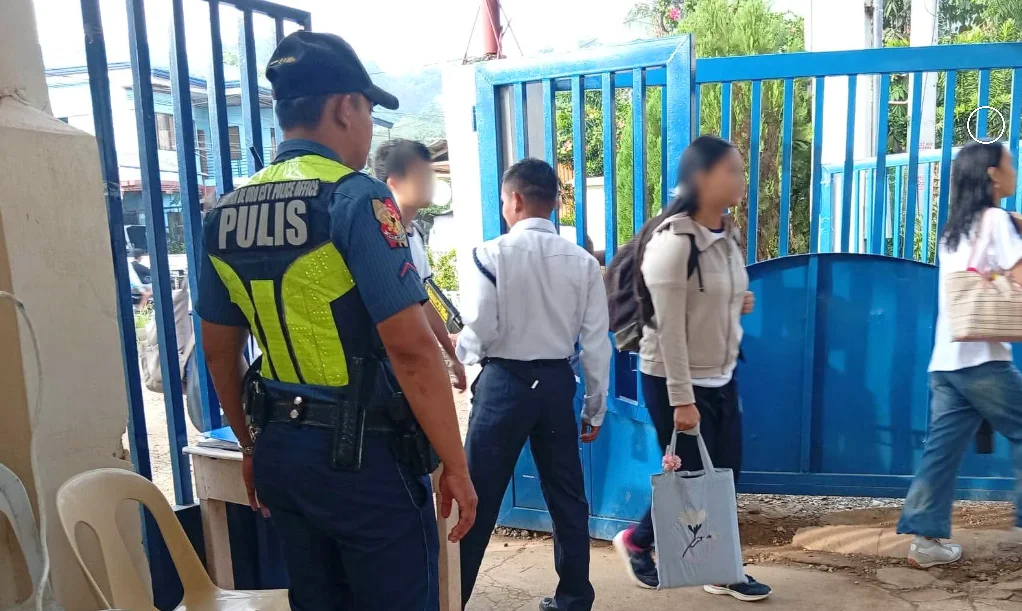
In response to the Tacloban incident, authorities are stepping up physical security measures.
Police General Jose Melencio C Nartatez Jr., Chief of the PNP, issued a directive reminding all police units to sustain visibility and preventive patrols around educational institutions.
According to Richard S. Ybañez Jr., a teacher in Pagadian City, schools are also taking internal action by strengthening security protocols and intensifying anti-bullying campaigns.
Under DepEd Order No. 006, s. 2026, students can expect the following:
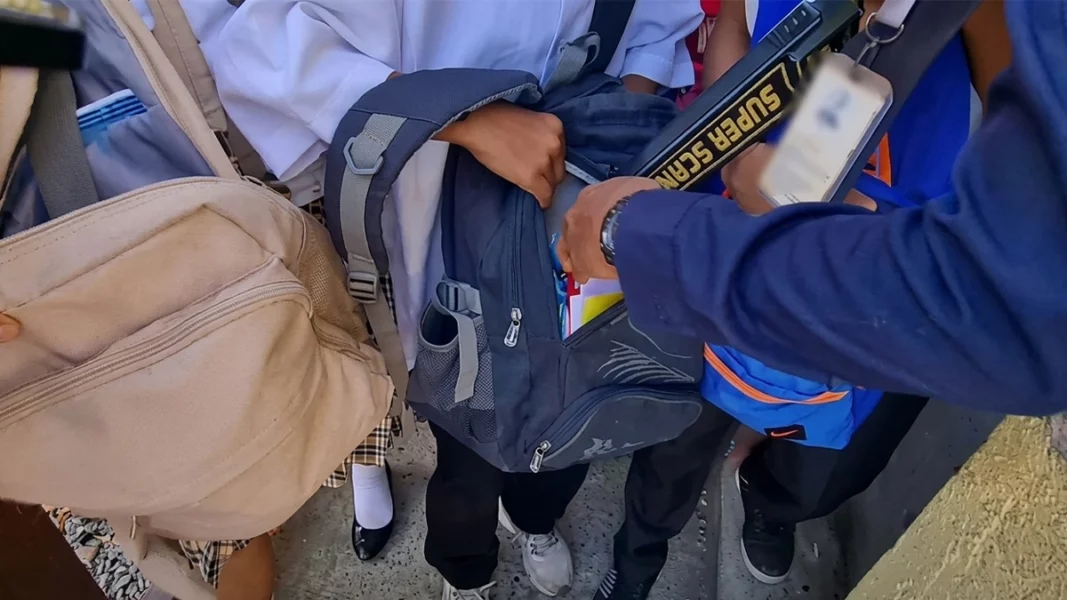
The Department of Education authorizes schools to conduct routine bag inspections for learners, personnel, and visitors.
Inspections must prioritize non-contact methods, utilizing handheld metal detectors or electronic scanners.
Physical pat-downs and "stop-and-frisk" searches remain strictly prohibited to protect student rights.
If a prohibited item is suspected, a thorough inspection may be conducted in the principal's office alongside a guidance counselor or designated staff member.
The Hidden threat: Bullying and mental health
Physical checkpoints are only half the battle. From 2022 to 2025, the PNP Women and Children Protection Center recorded 1,275 school-related incidents involving Children in Conflict with the Law (CICLs) nationwide. These alarming metrics have renewed intense legislative and community debates surrounding Juvenile Crime: Can minors be held liable? under current statutory guidelines.
Students are actively advocating for stronger emotional support systems within their schools.
Genon noted that professional counseling is crucial for students grappling with emotional difficulties, as it can prevent negative feelings from escalating into violence. This proactive approach underscores the core principles outlined in our deep-dive analysis, Beyond punishment: How to stop youth violence before it starts, which champions root-cause psychological interventions over reactive disciplinary measures.
Alyana Eaman Bantuas, a senior high school student, added that school officials and teachers must be observant and approachable, stressing that "small concerns should never be ignored".
What parents should do right now
Armida Genon, a parent from Antipolo City, emphasized that discipline and good character must start at home.
While no single measure can eliminate all risks, the students, parents, and officials interviewed recommend the following actionable steps for families:
Verify Campus Security: Check if your child’s school actively utilizes guards, gates, ID checks, and bag inspections.
Inspect Belongings: Check your children's bags before they leave for school to ensure they are not carrying prohibited items.
Advocate for Mental Health: Ensure the school provides accessible counseling and mental health support services.
Maintain Open Dialogue: Talk to your children daily about their school experiences, listen closely to their concerns, and teach them to speak up about suspicious behavior.
Partner with the School: Participate in PTA meetings to champion better safety programs and emergency drills.
"Our schools must remain sanctuaries of learning, not scenes of violence," the PNP statement declared. Achieving that goal requires a relentless, unified partnership between families, educators, and the community.