CAGAYAN DE ORO CITY — Families, farmers and businesses in Northern Mindanao are being urged to start preparing for a prolonged dry spell after the Philippine Atmospheric, Geophysical and Astronomical Services Administration (PAGASA) warned that El Niño is expected to strengthen later this year and persist until the first half of 2027.
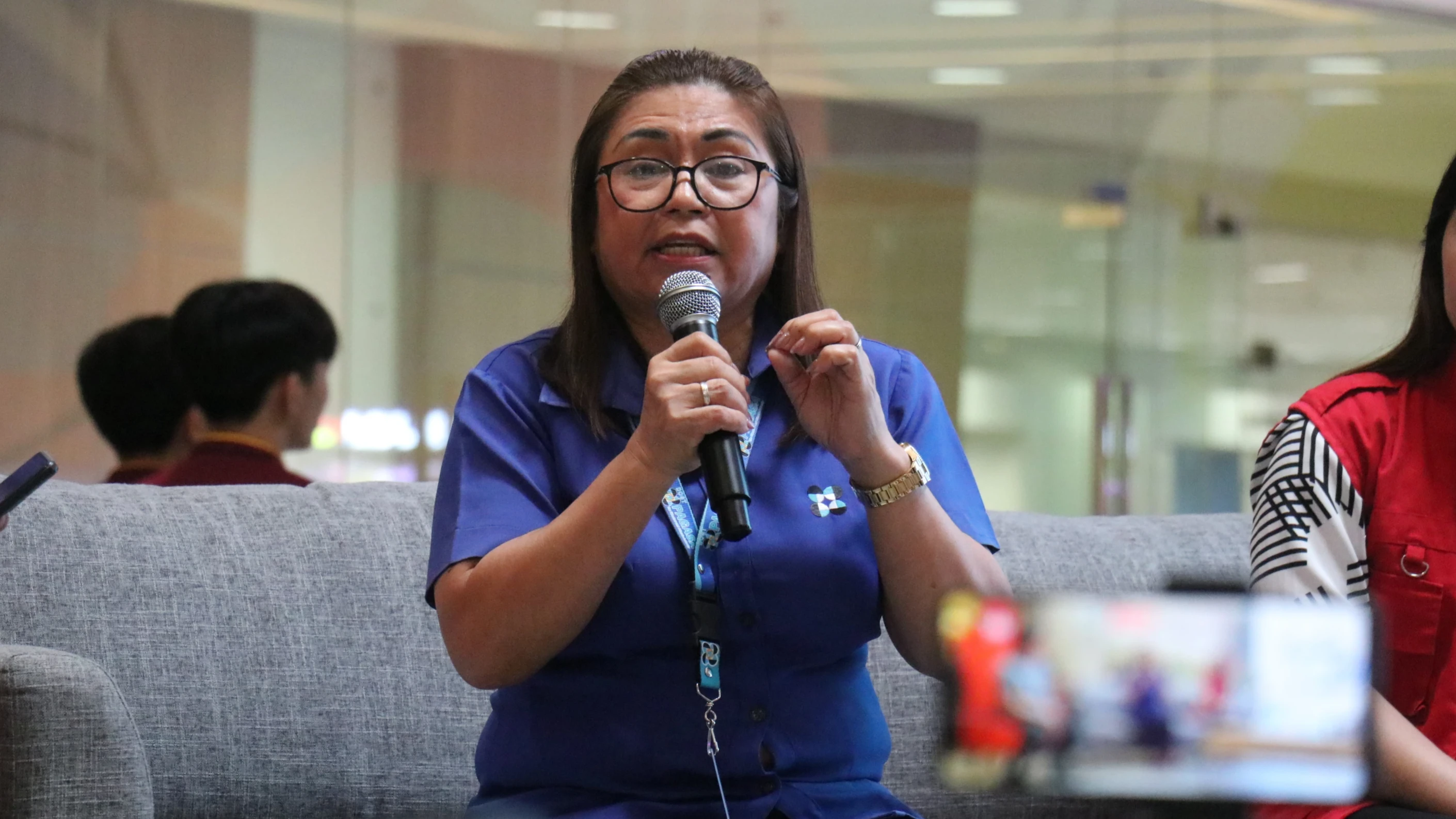
Speaking during the Kapihan sa PIA on July 16, Mindanao PAGASA Regional Services Division Weather Services Chief Anianita R. Fortich said climate models show that El Niño conditions have already developed in the tropical Pacific and are likely to intensify in the coming months.
PAGASA projects the weather phenomenon to strengthen from moderate to strong between August and October before reaching a very strong level from October 2026 to January 2027.
Despite the onset of El Niño, Fortich said the country will continue to experience frequent rainfall because it remains in the rainy season, giving communities an opportunity to prepare before drier conditions set in.
"We are already experiencing El Niño conditions. Climate models suggest that El Niño will intensify and continue until the first half of 2027," she said.
According to PAGASA, the most significant effects are expected during the northeast monsoon, or Amihan, when rainfall naturally decreases across much of the country. If a very strong El Niño coincides with this period, many areas could experience significantly below-normal rainfall or prolonged dry spells.
The weather bureau warned that the effects could extend beyond farms.
Prolonged dry conditions may begin as meteorological drought caused by below-normal rainfall before developing into agricultural drought as soil moisture declines. If dry conditions persist, water levels in rivers, reservoirs and other water sources may drop, affecting irrigation, household water supply and hydropower generation.
In severe cases, businesses, livelihoods and other economic activities may also be disrupted.
Fortich said El Niño episodes typically last between 12 and 18 months, and PAGASA will continue issuing climate advisories until sea surface temperatures in the tropical Pacific return to normal.
PAGASA urged local government units, farmers, water utilities, power providers and households to begin conserving water, strengthen contingency plans and regularly monitor official weather advisories to reduce the impact of the prolonged dry conditions.
For residents of Northern Mindanao, the warning serves as an early reminder that preparing now—by conserving water, using it wisely and staying updated on weather advisories—could help lessen the impact of what may become one of the strongest El Niño episodes in recent years. (Ben Balce, Editorial Lead)