SUGBONGCOGON, Misamis Oriental — Abaca farmers in Misamis Oriental could soon get healthier planting materials and new income opportunities as the Philippine Fiber Industry Development Authority (PhilFIDA) moves to revive a tissue culture laboratory in Sugbongcogon.
PhilFIDA, the Sugbongcogon local government, and the Provincial Government of Misamis Oriental signed a Memorandum of Agreement (MOA) last week for the usufruct and rehabilitation of the Tissue Culture Laboratory (TCL).
The facility will be repaired and upgraded to produce disease-free abaca planting materials, which are expected to help farmers improve crop yield and fiber quality.
More than raw fiber
PhilFIDA Undersecretary Arnold Atienza said the Philippines remains the world's leading supplier and exporter of abaca, accounting for 87 percent of global production.
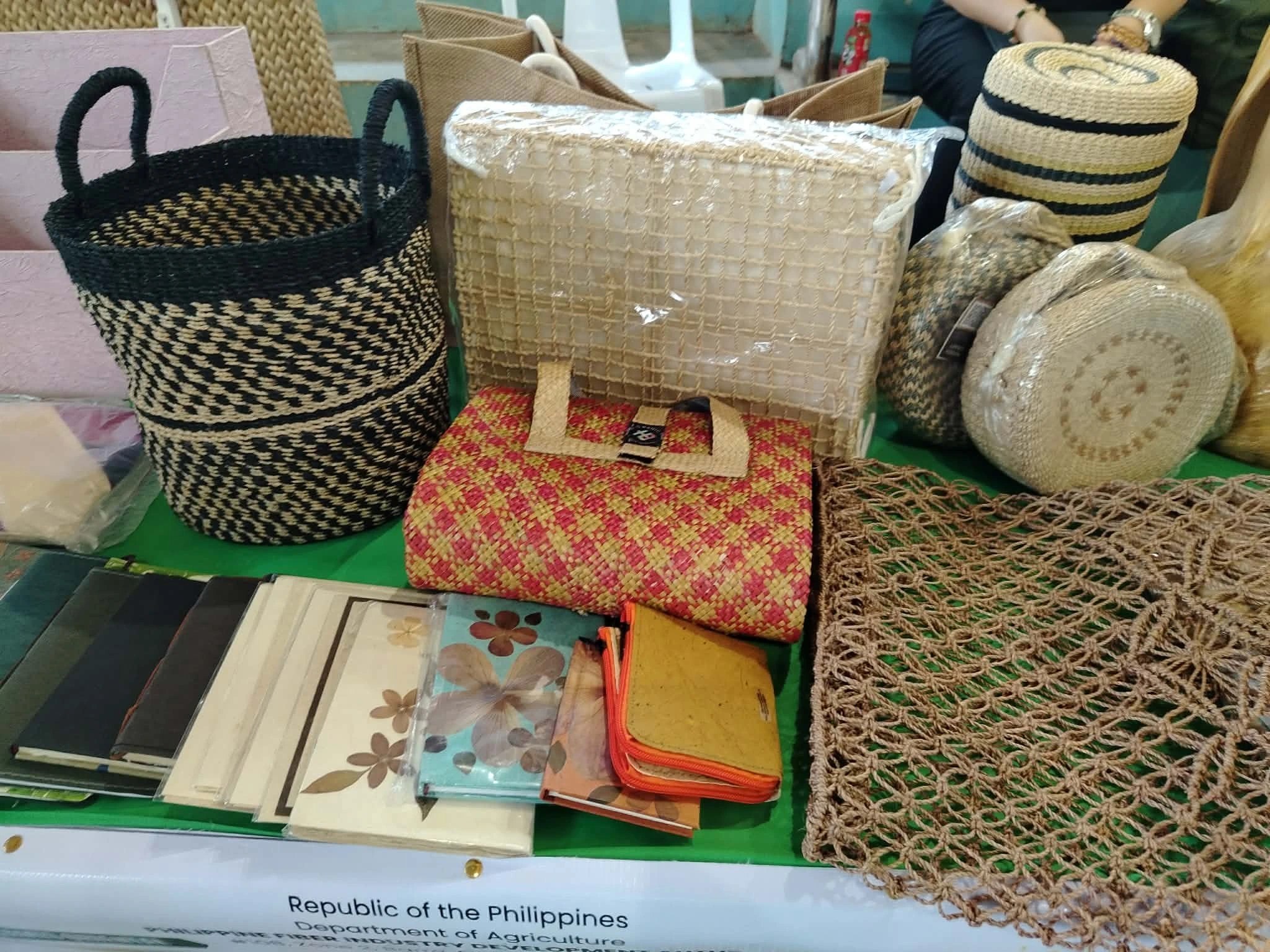
But the agency wants farmers to earn more by moving beyond raw fiber and developing higher-value abaca products.
“At present, we are looking beyond raw fiber production and focusing on value-added products such as bags, paper, plywood, and handicrafts made from abaca to increase the income of farmers,” Atienza said.
PhilFIDA also plans to support farmers in marketing their products, not just in production.
“Marami po sa atin pagod na, nagkakaedad na. Pero when you look at this program, huwag po kayong mag-alala dahil hanggang marketing gagawin na namin,” Atienza told farmers during the event.
Province offers financing
Misamis Oriental Gov. Juliette Uy urged farmers to expand their abaca plantations, saying the provincial government is prepared to provide financial assistance through loan programs.
“Tanom lang mo nga tanom kay daghan kaayo buyer. Kung nagkulang inyong puhunan, naa tay budget sa probinsiya nga mahatag ug mapautang sa inyo,” Uy said.
For farmer Remedios Galario of Barangay Sibantang in Talisayan, the program could open more opportunities for abaca-growing communities.
She welcomed the government's financing support and plans to develop handmade abaca products, which could provide additional livelihood opportunities for farmers and local artisans.
“Naa nami paaboton from national aning pagdugang namog buhat sa handmade products made of abaca,” Galario said.
With the laboratory's rehabilitation, officials expect Misamis Oriental to produce healthier abaca planting materials while expanding opportunities to turn the province's abaca harvest into products that can bring more income to farmers and local communities.