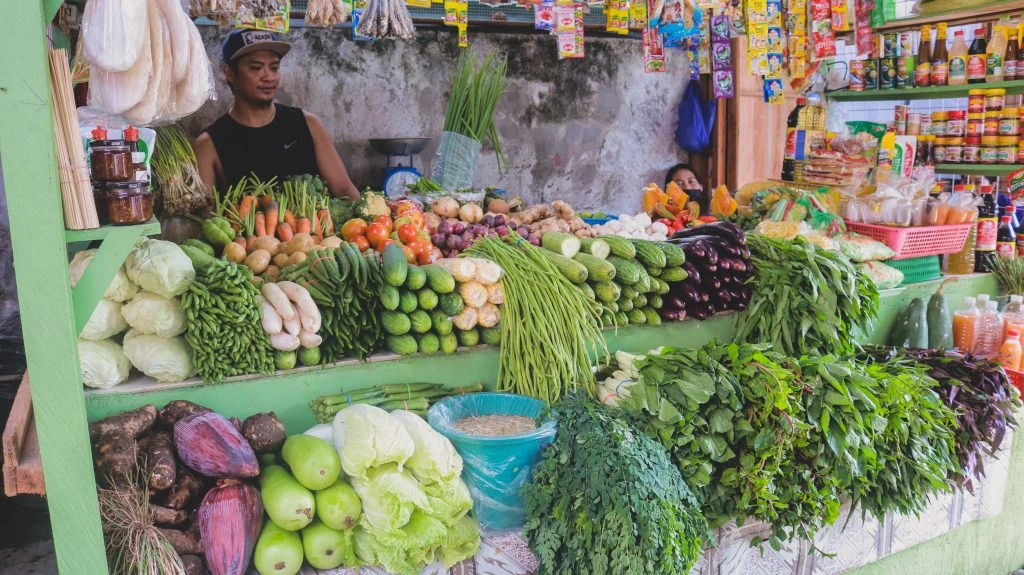
Many Filipinos believe that eating more vegetables automatically means eating healthy.
Nutrition experts say that while vegetables are important, good health depends on having a balanced diet—not just filling your plate with greens.
From childhood reminders to "eat your gulay" to social media posts promoting colorful salads, vegetables have become a symbol of healthy eating.
But this has also led to the misconception that vegetables alone are enough for a healthy lifestyle.
According to the World Health Organization (2026), a healthy diet includes a variety of foods from different food groups.
These include whole grains for energy, fruits for fiber and potassium, proteins for growth and repair, healthy fats for normal body functions, and nuts and seeds for essential vitamins and minerals.
Ailean Faith S. Hotohot, Nutritionist-Dietitian II of the Department of Health Region X in Bukidnon, said vegetables are rich in fiber, vitamins, minerals, and antioxidants that help strengthen the immune system and reduce the risk of disease.
However, they cannot provide all the nutrients the body needs.
"Our body needs multiple nutrients that vegetables alone cannot provide. Instead of labeling food as 'good' or 'bad,' it's better to focus on moderation, variety, and balance," Hotohot said.
She explained that many people think healthy eating means giving up favorite foods or eating vegetables alone. Instead, she encourages Filipinos to follow the MoVaBa principle—Moderation, Variety, and Balance.
This means eating the right amount of food, including different food groups in every meal, and making healthier choices based on what is available.
The message is simple: vegetables remain an important part of a healthy diet, but they are only one piece of the puzzle.
A balanced plate with the right mix of vegetables, fruits, whole grains, proteins, and healthy fats is the key to better nutrition and long-term health.