Cagayan de Oro has long carried the image of warmth and hospitality — a place where strangers become friends and neighbors look after one another. The city’s title, “City of Golden Friendship,” reflects a culture built on connection.
But for many young people today, friendship feels increasingly distant.
A 19-year-old college student in Cagayan de Oro, who requested anonymity, said she spends most of her days online but still feels isolated.
“You can talk to people all day in chats and group messages, but at the end of the day, you still feel alone,” she said. “Sometimes it feels like everyone is connected, except you.”
Her experience reflects a growing concern among educators, counselors, and youth advocates: despite living in an era of constant digital communication, many young people are struggling to form meaningful relationships.
Globally, several violent incidents over the years have revealed patterns of loneliness, alienation, bullying, and untreated emotional distress among perpetrators.
Experts caution, however, that loneliness alone does not cause violence. Instead, these cases highlight the dangers of prolonged social isolation and ignored warning signs.
In the Philippines, internet use continues to rise. According to the Philippine Statistics Authority, over 60 million Filipinos aged 10 and above used the internet in 2024. In Northern Mindanao, internet usage reached 61.4 percent.
For many youth, social media has become both a refuge and a source of pressure. Read also: Beyond police: Parents key to safe schools
Online platforms create spaces for interaction, but they can also encourage comparison, exclusion, and superficial forms of connection. A person may have hundreds of followers and still feel unseen.
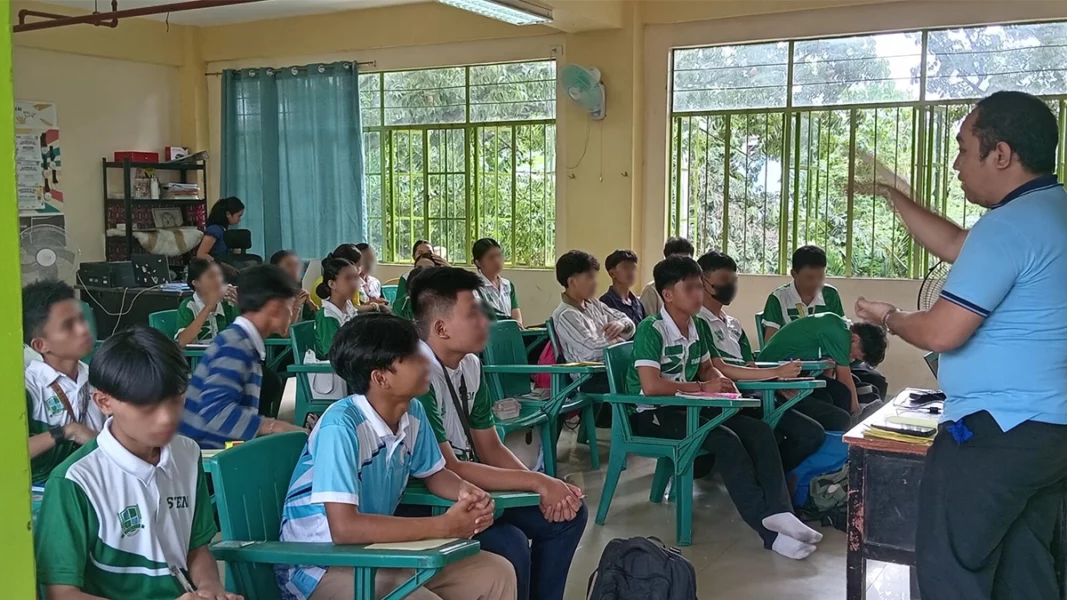
Teachers in Cagayan de Oro said signs of emotional withdrawal among students are often subtle — frequent absences, silence during discussions, disengagement from organizations, or spending long hours online while avoiding face-to-face interaction.
Some guidance counselors noted that schools often struggle to provide enough mental health support because of limited personnel and large student populations.
You may also like: Beyond the gates: The real challenge of campus safety
Bullying has also evolved beyond classrooms.
What begins as teasing in school can continue online through group chats, anonymous posts, and social media ridicule. Unlike before, harassment no longer ends after class hours.
“Youth today do not just carry stress in school,” a local youth volunteer said. “They bring it home through their phones.”
Mental health advocates said this constant digital exposure can intensify feelings of anxiety, insecurity, and loneliness, especially among young people seeking validation online.
Still, many community leaders believe the solution may already exist within Filipino culture itself — through the value of “kapwa.”
Kapwa, often understood as shared identity or shared humanity, emphasizes empathy, compassion, and recognizing others as fellow human beings rather than strangers.
Youth organizations in Cagayan de Oro have started promoting peer-support activities, community volunteering, and safe spaces where students can openly discuss mental health struggles without fear of judgment.
Some schools have also introduced mental health awareness campaigns and counseling initiatives aimed at encouraging students to reconnect beyond screens.
For many advocates, preserving the spirit of Golden Friendship now means creating spaces where young people feel genuinely seen, heard, and valued.
As digital life continues to reshape human relationships, the challenge for Cagayan de Oro is no longer simply maintaining its image as a friendly city.
It is ensuring that friendship remains real — not just visible online, but deeply felt in everyday life.