IN an unexpected turn of events, climate advocates and affected communities can breathe a sigh of relief, securing a win for the planet’s battle against climate change.
A proposed 600-megawatt liquefied natural gas (LNG) power plant project in Kauswagan, Lanao del Norte, will no longer proceed as planned.
In an email received by the Philippine Movement for Climate Justice (PMCJ) on June 15, the Environmental Management Bureau in Northern Mindanao (EMB-10) of the Department of Environment and Natural Resources (DENR) provided a copy of a memorandum it sent to the DENR-EMB Central Office detailing the actions taken in response to a complaint letter from PMCJ and several other individuals and organizations.
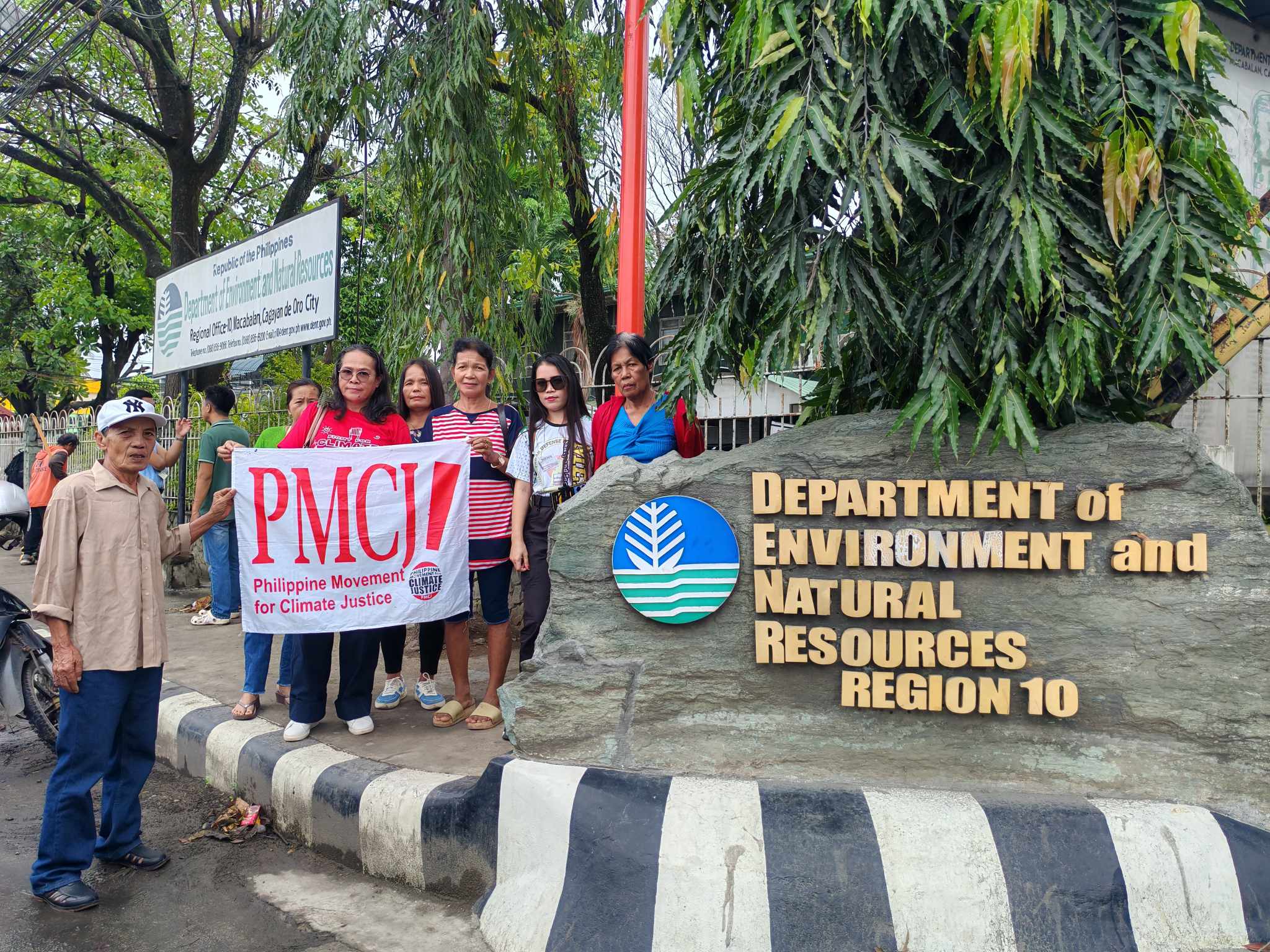
The complaint letter was hand-delivered on Feb. 21 to the EMB-10 office at the DENR compound in Macabalan, Cagayan de Oro City by complainant-signatories PMCJ, Tacub Homeless Initiative in Keeping Its Rights, Barangay Napo Linamon Fisherfolk Association, Mindanao Power Consumers Federation, Iligan-Lanao Movement for Climate Justice, Mangagawang Media sa Mindanao, and Sanlakas Lanao del Norte.
Acting on the complaint, EMB-10 sent a letter on Feb. 24 to GNPower Kauswagan Ltd. Co. (GNPK) and the Department of Energy (DOE), directing them to respond to the complaint and provide information regarding the proposed LNG project.
GNPK replied that it is a separate and independent entity with no involvement in the proposed LNG project. GNPK owns and operates the existing 552 MW coal-fired power plant in Kauswagan.
In the memorandum, EMB-10 noted the response from GNPower Ltd. Co. (GNP), which stated that it would no longer pursue the LNG project and would take steps to withdraw it from the DOE’s list of Mindanao Indicative Power Projects.
The DOE, in a separate letter dated March 10, responded that it is not in a position to dismiss or reject new project applications, revoke permits, or halt construction based solely on opposition or petitions, unless there is clear evidence of disqualification or non-compliance.
The agency emphasized that all gas-fired power plants must comply with environmental laws and standards and that it will continue to collaborate with other government agencies to ensure that existing and proposed LNG projects follow established regulations.
“This is a huge win in the fight for climate justice. The people of Kauswagan are already suffering from the existing GNPower Kauswagan coal-fired power plant, which affects their livelihood from fishing, their health, and causes pollution in the area,” said Rara Ada, Mindanao coordinator of PMCJ.
Ada added: “The proposed LNG plant, if allowed to proceed, would have caused additional irreparable damage to the people living nearby.”
A site inspection was conducted by EMB-10 personnel on April 29 to verify the situation. The inspection confirmed that no construction activity had begun at the proposed LNG site.
PMCJ also disclosed that the proposed project site is within the Bacolod–Kauswagan Protected Landscape and Seascape under Republic Act No. 7586, the National Integrated Protected Areas System (NIPAS) Act.
Additionally, House Bill 6261, filed on Nov. 9, 2015, by then-Representative Imelda Quibranza-Dimaporo, seeks to declare the Bacolod–Kauswagan area as a protected landscape and seascape under NIPAS and provide for its management.
“As we push for 100% renewable energy by 2030, it is imperative for the government to ensure that we end our dependence on costly and dirty fossil fuel-based energy sources,” Ada said.
Historically, Mindanao has relied primarily on renewable energy, particularly from the Agus-Pulangi hydropower complexes. Recent studies have also indicated that the region possesses abundant renewable energy potential that can be further developed and utilized, she added.