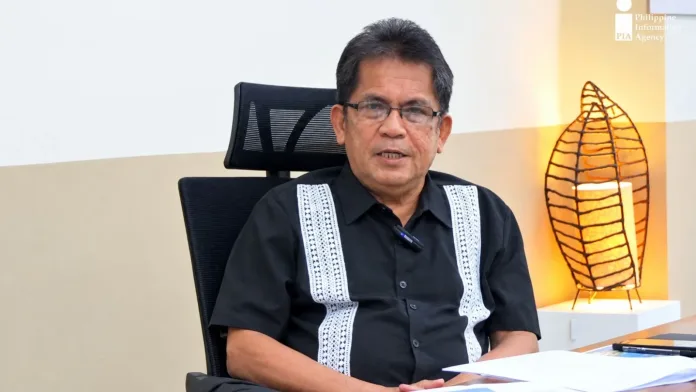
CAGAYAN de Oro City — Filipino workers, including those in Northern Mindanao, could gain access to more jobs across Southeast Asia if countries recognize one another’s skills certifications and qualifications, Technical Education and Skills Development Authority (TESDA) Secretary Jose Francisco Benitez said.
But the promise of greater job mobility depends on how effectively ASEAN member states align their training standards and professional requirements, allowing workers to qualify for jobs abroad without unnecessary barriers.
Benitez said the Philippines’ hosting of the Association of Southeast Asian Nations (ASEAN) this year provides an opportunity to advance agreements on technical and vocational education and training (TVET), including the recognition of skilled workers’ credentials.
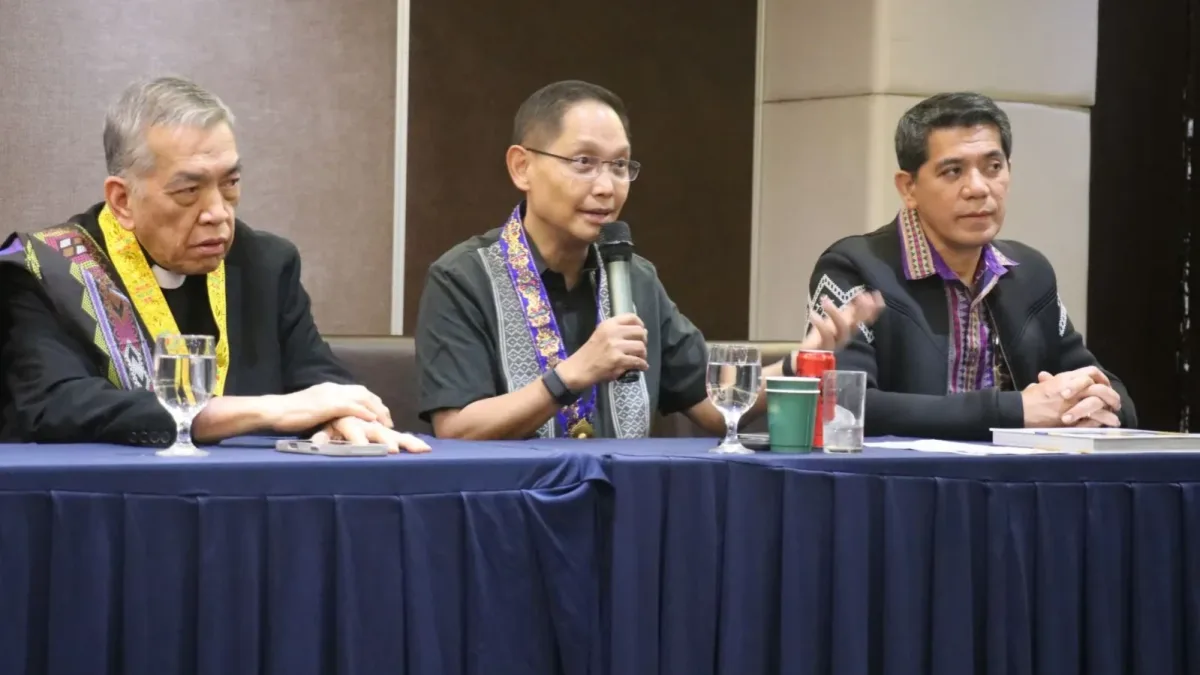
“The mobility across ASEAN, the alignment of qualifications, standards, and certifications across ASEAN … is part and parcel of this year's ASEAN discussion,” he said during a press conference in Cagayan de Oro City on Oct. 5.
One proposal is the ASEAN Polytechnic Education Framework, which aims to establish a common understanding of polytechnic education among member states.
Benitez said the Philippines is also aligning its Philippine Qualifications Framework with the ASEAN Qualifications Framework to make education levels, technical skills and professional credentials easier to compare and recognize across the region.
The framework covers qualifications from technical and vocational education to higher education, including doctoral degrees.
However, the extent to which these efforts will translate into actual employment opportunities for Filipino workers will depend on how ASEAN countries implement recognition arrangements and address differences in training and professional regulations.
Benitez cited ongoing efforts through the Professional Regulation Commission to pursue mutual recognition of professional qualifications on a profession-by-profession basis.
He said such arrangements could help Filipino nurses and doctors seeking employment in Singapore, Indonesia and Malaysia, particularly where differences in training and regulatory requirements need to be addressed.
“ASEAN can provide an answer for greater mobility,” he said.
For workers in Northern Mindanao, broader recognition of technical qualifications could potentially open access to regional jobs. However, the TESDA chief did not identify specific job targets, timelines or commitments from member states that would guarantee employment opportunities for local graduates.
Beyond qualifications recognition, ASEAN is also discussing green technical-vocational education, digital transformation, the future of work and women's development through skills training, in coordination with partners such as the International Labour Organization.
Benitez said TESDA is leading the Philippines’ participation in these initiatives, including the ASEAN-TVET Council.
The challenge is to turn regional discussions into practical arrangements that help Filipino workers demonstrate their skills, meet employers’ requirements and compete for jobs across Southeast Asia. (With a report from Apipa Bagumbaran/PIA-10)