CAGAYAN de Oro City— More than 350 indigenous athletes from across Mindanao are competing in traditional sports in San Agustin, Surigao del Sur, as the province hosts the three-day Indigenous Peoples Games from Aug. 23 to 25.
The games are part of the 11th Kalumonan Festival, bringing together athletes from two cities and 17 municipalities. Participants are grouped into five operational clusters representing communities from Bislig City in the south to Carrascal in the north.
The event gives indigenous communities a chance to keep traditional games alive while giving young athletes an opportunity to showcase their skills.
The games are organized by the Philippine Sports Commission (PSC), National Commission on Indigenous Peoples (NCIP), and National Commission for Culture and the Arts (NCCA).
Organizers said the program promotes tribal heritage, peace and unity while helping identify grassroots sports talent.
Traditional games take center stage
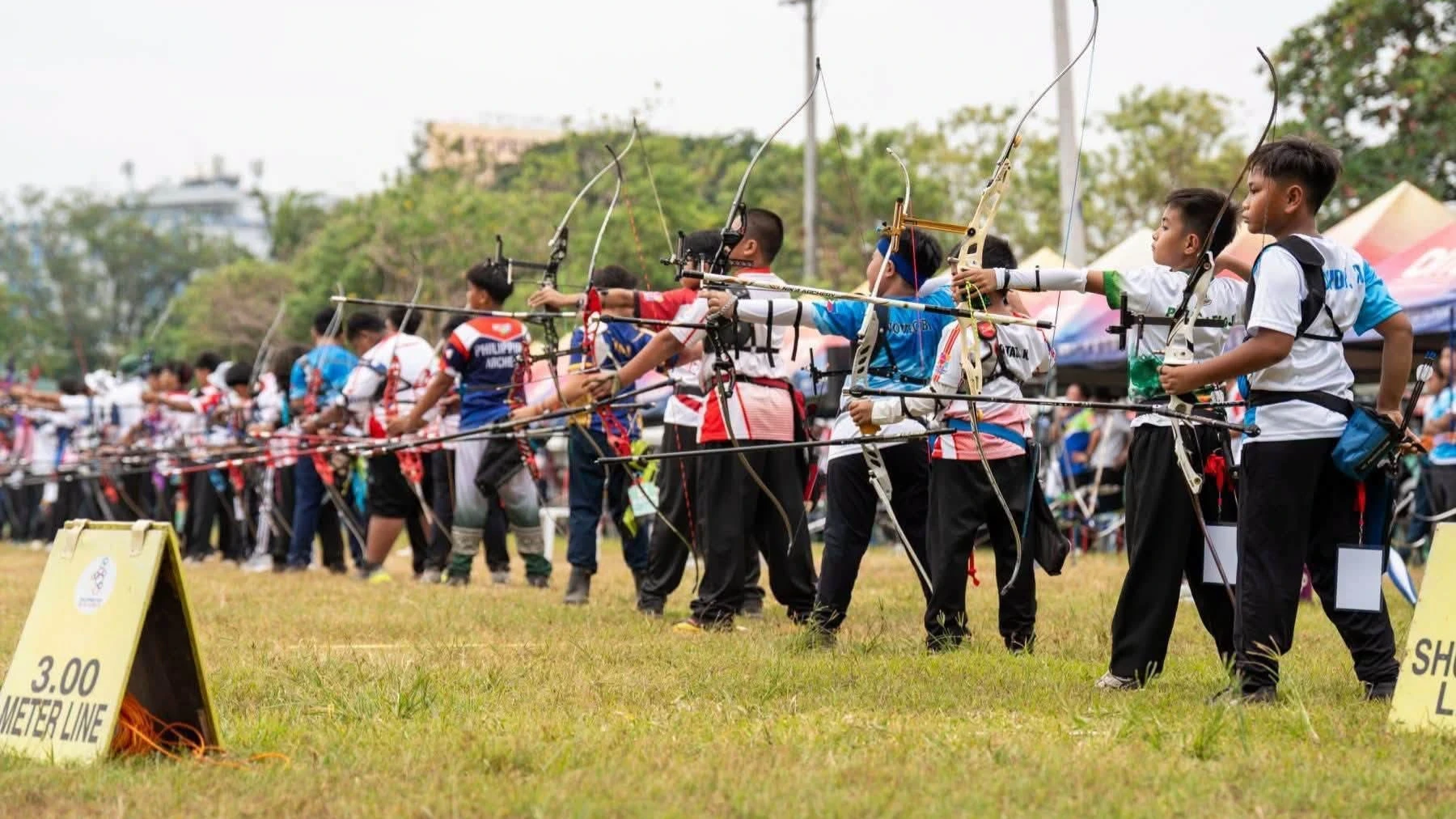
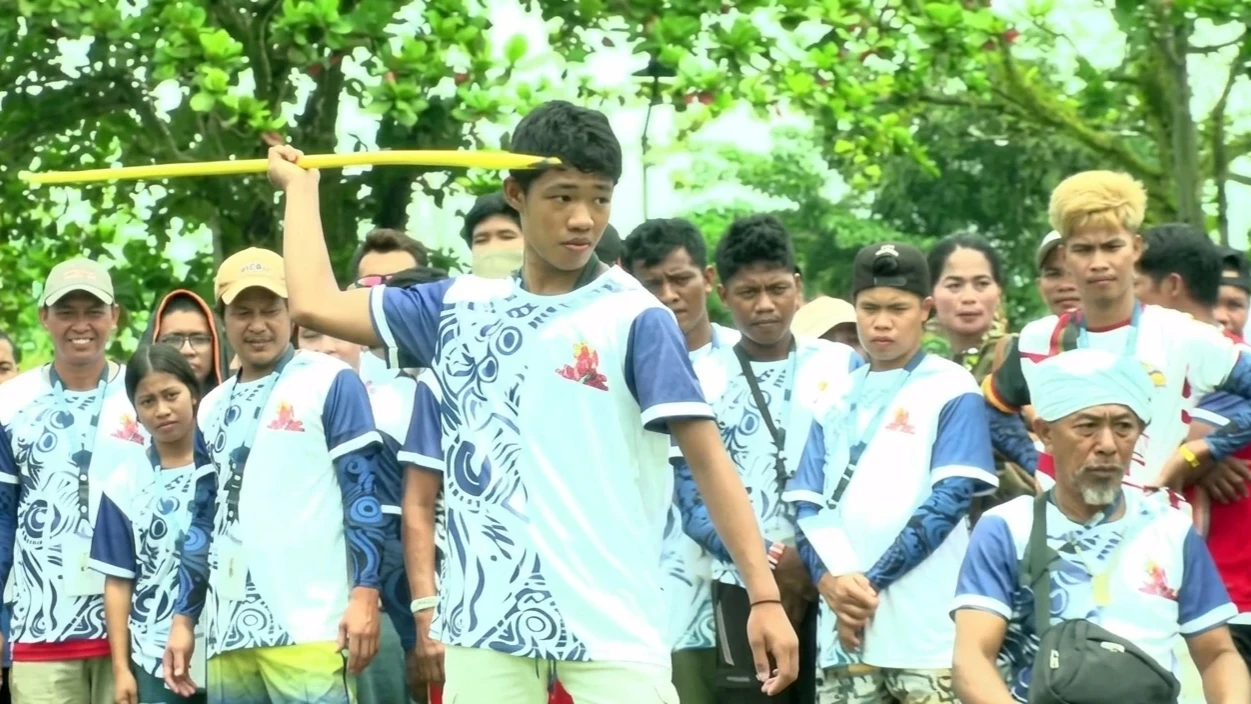
Athletes are competing in nine traditional disciplines, including pagpilak (spear throwing), tuned tu pana (archery), kadang-kadang (stilts relay), gutgutan (fire-making), hinang tu pisi (rope crafting), binogkutay (tug of war), binadju, yajug, and eskrima.
San Agustin Mayor Nicolas O. Alameda said the games are an opportunity to protect indigenous traditions while bringing communities together.
“Together, let us preserve the traditional sports and games of our IPs and promote peace, unity, and harmony among different IPs—and maybe identify potential talents among them,” Alameda said.
The IP Games serve as one of the main activities of the week-long Kalumonan Festival, which also includes basketball exhibitions, inter-municipality volleyball, a duathlon, youth paddle events and local trade caravans.
Growing IP sports program
PSC Commissioner Matthew “Fritz” Gaston welcomed the strong community participation and quick organization of the Mindanao leg.
“It is joyful. Every time we do this, it seems to grow bigger and bigger,” Gaston said.
The PSC launched its Indigenous Peoples Games program in 2018 in Tagum, Davao del Norte.
The initiative later helped inspire House Bill 8626, or the Philippine Indigenous Games Preservation Act, which seeks to strengthen the preservation of traditional sports as a means of cultural expression and community camaraderie.
For the athletes gathered in San Agustin, the games offer more than competition—they provide a venue for young indigenous people to celebrate their culture, connect with other communities and keep traditional sports alive for the next generation.