The recent drowning of two university basketball players during an out-of-town training camp has intensified focus on student safety. The tragedy raises fresh questions about school accountability.
The tragedy leaves families and coaches with urgent questions. Many wonder who monitors student-athletes outside campus grounds.
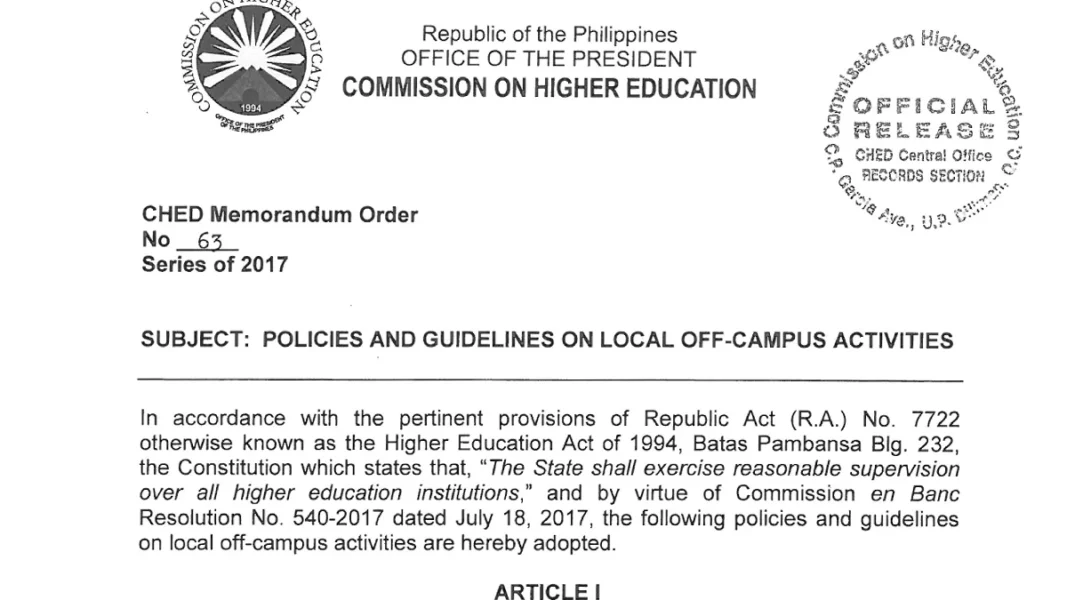
While authorities have not indicated whether any safety or travel violations occurred during the trip, the incident highlights the baseline compliance standards all universities must meet under existing frameworks. Under Commission on Higher Education (CHED) Memorandum Order 63, s. 2017, parents have a distinct legal right to know the safety layout of any university-sanctioned athletic camp.
Here is what the rules actually require from universities to keep your children safe.
Read also: What parents should ask before any training camp
The Waiver Myth: Why Schools Stay Accountable
Before any out-of-town trip, parents are routinely asked to sign permission slips and liability waivers. Many families believe that signing these documents means they cannot hold a university responsible if something goes wrong. Legally, that is a myth.
- Schools cannot pass the buck: Under CHED regulations, higher education institutions cannot contract out of their legal duty to keep students safe. When a university submits its mandatory travel paperwork to the government, the school explicitly takes full responsibility for every participant on that trip.
- Waivers do not block the law: If a university is negligent, any internal school waiver signed by a parent is legally void. School travel policies do not change a family's right to file civil, criminal, or administrative charges against the institution or its officials under the Civil Code of the Philippines.
Staff, Medical Care and Insurance: What to Look For
A university athletic camp cannot legally operate if it lacks trained medical staff, safe transportation, or enough adults to supervise the trip. Parents should look for three specific safeguards:
- Trained medical personnel: CHED guidelines require a certified first-aid and emergency medical responder to lead every off-campus trip. They must also carry a complete first-aid kit. Furthermore, schools cannot send students to destinations with active safety threats or ongoing health outbreaks.
- Safe supervision ratios: Coaches cannot do it alone. For standard classroom trips, the rules suggest one coordinator for every 35 to 50 students. For varsity sports camps, schools must match that standard with a safe, sensible ratio based on how physically risky the sport is.
- Mandatory insurance: Universities must provide continuous, comprehensive medical and accident insurance for all registered student-athletes. This coverage must pay for medical expenses resulting from injuries or sickness during both training and games, and it must stay active for the athlete’s entire college career.
Safe Travel and Protecting Classroom Time
You may also like: Student-Athlete safety under scrutiny after camp tragedy
To prevent schools from cutting corners on travel or overworking players, national guidelines demand strict oversight of both transportation and schedules.
- Vetted transportation: Schools cannot use overloaded, unvetted private vehicles for long-distance team travel. Any bus line or tour operator hired by the school must have a valid franchise and official accreditation from the Department of Tourism or the Land Transportation Franchising and Regulatory Board (LTFRB).
- Students first, athletes second: National policies explicitly emphasize that a student-athlete is
"first and foremost, a student."Universities must provide academic support, like tutoring or study hours, and issue official school letters to ensure players get excused absences for games.
Fines, Penalties and How Parents Can Take Action
The recent drowning deaths of two university basketball players during an out-of-town training camp have intensified scrutiny over student
Behind every student-athlete is a family that watches them pack their bags for out-of-town trips, trusting they will return home safely. CHED Memorandum Order 63 changes the rules of the game by ensuring that a parent's signature on a permission slip is not a surrender of their legal rights. By giving families a direct line to report safety issues without fear of school retaliation, the policy shifts the power back to where it belongs: with the parents keeping watch. In an era where college sports demand professional-level sacrifice from young athletes, a family's awareness is their best protection.
Parents do not have to wait for local athletic leagues or school boards to take action if they suspect a training camp is unsafe. To shield families from potential athletic retaliation or roster cuts, parents, guardians, or authorized representatives can bypass local sports officials and file a written safety complaint directly with the national CHED Fact-Finding Committee on Student-Athletes’ Complaints and Welfare.