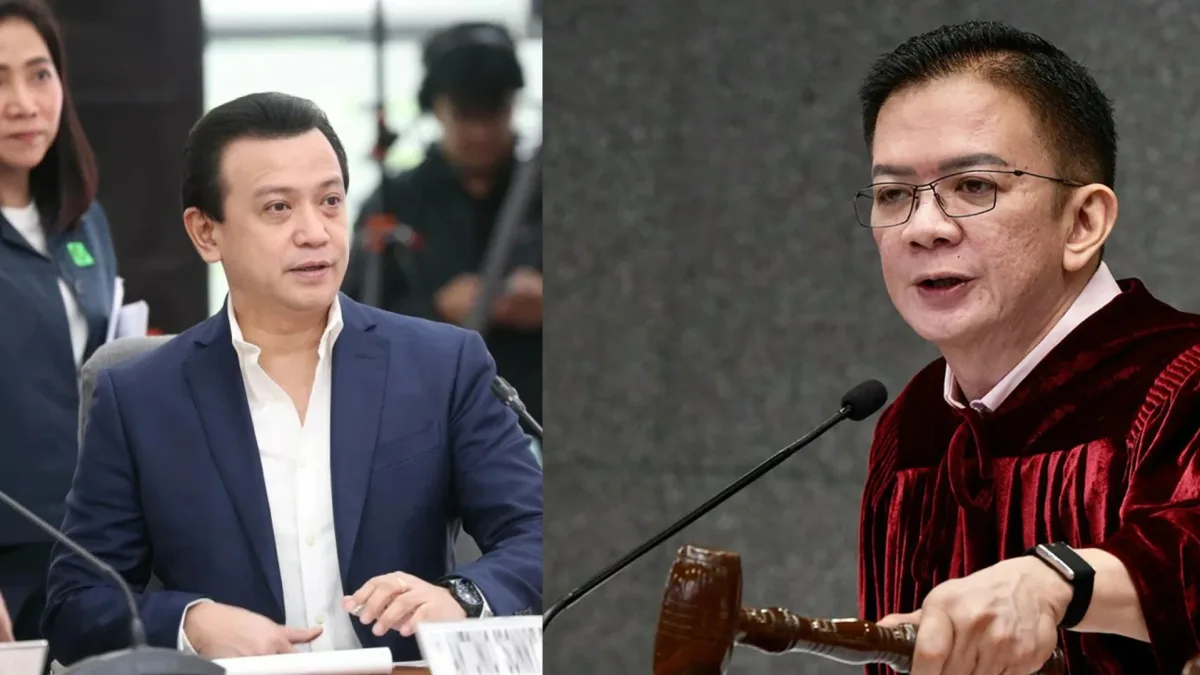
CAGAYAN de Oro City— Former senator Antonio Trillanes IV has questioned Senate impeachment court Presiding Officer Francis “Chiz” Escudero’s handling of Vice President Sara Duterte’s impeachment trial, including his rulings, treatment of witnesses and pending plunder complaint.
Trillanes raised the concerns after he was dropped from the prosecution’s witness lineup. He later discussed outside the impeachment court the information he said he intended to present as a witness.
He also questioned Escudero’s decision-making and referred to the senator’s pending case, saying Escudero was being given an opportunity for what he called “redemption.”
For the public, however, the issue is not simply who is right. It is whether the impeachment proceedings are being conducted under the same rules, with decisions supported by evidence and applied fairly to both sides.
What the record shows
Escudero was elected presiding officer of the Senate impeachment court by a 12-8 vote. Under the Senate’s amended impeachment rules, a senator other than the Senate president may preside over the proceedings.
The court has since issued procedural rulings involving witnesses, documents and the conduct of the trial.
One dispute involved Trillanes, whom prosecutors initially planned to present in connection with Article II allegations involving unexplained wealth and business interests. The prosecution eventually did not present him amid procedural and documentary issues surrounding his planned testimony.
Trillanes criticized Escudero’s handling of the proceedings, describing it as overly restrictive.
But criticism alone does not establish that a ruling was improper. The relevant questions are which rule was applied, what evidence was affected and whether the same standard was applied to both the prosecution and defense.
Escudero’s pending case
Escudero is facing a plunder complaint before the Office of the Ombudsman involving allegations related to flood-control projects. He has denied the allegations.
A pending complaint, however, is not a finding of criminal liability.
That distinction is important when assessing Trillanes’ “redemption” remark. The statement by itself does not establish that Escudero was offered protection, immunity or favorable treatment in exchange for a particular ruling.
Any such claim would require evidence identifying who made the alleged offer, what was offered and what was expected in return.
Tiglao raises questions about Trillanes
While Trillanes questions Escudero, columnist and former presidential spokesperson Rigoberto Tiglao has raised questions about Trillanes’ own income and sources of funds.
In Facebook posts, Tiglao asked where Trillanes gets the money for what he described as the former senator’s anti-Duterte propaganda.
Tiglao also said Trillanes’ Navy pension is about P60,000 and claimed that the former senator is “certainly not a businessman.”
Those are Tiglao’s assertions and questions, not findings that Trillanes obtained money illegally.
If questions about Trillanes’ finances are to be treated as an accountability issue, they should likewise be tested against verifiable records, including declared income, assets, business interests and other lawful sources of funding.
The same evidentiary standard should apply to allegations against Escudero and the Dutertes.
Accountability cannot be selective
The impeachment controversy puts a simple question before the public: Are the people making serious allegations prepared to substantiate them?
Trillanes should be able to identify the evidence behind claims that Escudero’s actions were improper or potentially influenced by his pending case.
Escudero, meanwhile, should be able to demonstrate that his rulings are grounded in the impeachment rules and applied fairly.
And questions about Trillanes’ income and funding should be answered, if raised, through documents and verifiable information—not simply dismissed or amplified as political attacks.
The same principle applies to the Dutertes and every other public official involved.
For Filipinos following the impeachment trial, accountability should not depend on political allegiance.
The standard should be simple: What was decided, what rule was applied, what evidence supports the claim—and can the public independently scrutinize it?
That is ultimately what matters in a proceeding involving the constitutional accountability of the Vice President and the credibility of the institutions handling it.