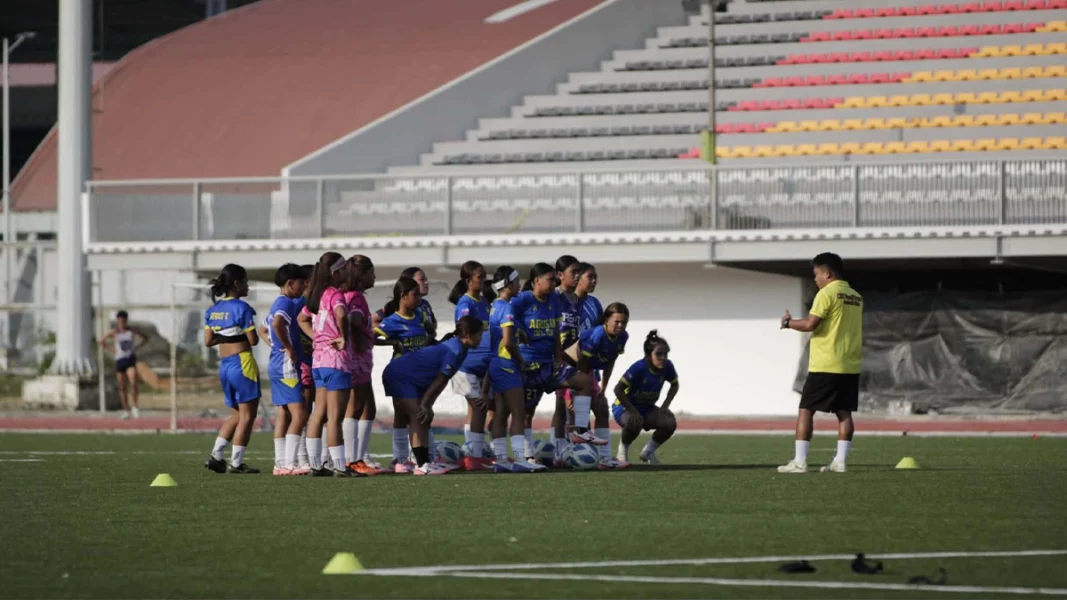
The recent deaths of two university basketball players during an out-of-town training camp have highlighted a difficult but important question: How can families help ensure the safety of student-athletes when they travel for school-sanctioned activities?
While schools have a legal duty to protect students, parents, and athletes can also take proactive steps before any training camp, tournament, educational trip, or team-building activity.
Read also: Mindanao grieves Agusan Sur cage star
Existing regulations from the Commission on Higher Education (CHED) and the Department of Education (DepEd) place student safety at the center of all off-campus activities.
CHED Memorandum Order (CMO) No. 63, Series of 2017 requires higher education institutions to exercise due diligence and adopt mechanisms that protect the safety and welfare of students participating in off-campus activities.
Likewise, DepEd Order No. 66, Series of 2017 mandates schools to observe safety and security protocols before, during, and after any off-campus activity.
Here are the questions every parent should ask before allowing a child to join a training camp.
1. Who Is Responsible for the Athletes?
Parents should know:
You may also like: Parents’ Guide to Ched rules on off-campus trainings
- The names and contact numbers of coaches and team officials.
- Which adults will supervise athletes throughout the activity.
- The coach-to-athlete ratio.
- Who will be in charge during free time, meals, and overnight stays.
Under CHED rules, schools are responsible for ensuring the safety and welfare of students participating in approved off-campus activities.
2. Has the School Obtained Parental Consent?
Parents should never allow participation without receiving complete information about the activity.
Ask for:
- A written itinerary.
- Emergency contact numbers.
- Venue information.
- Transportation details.
- Safety protocols.
CHED guidelines require schools to secure written parental consent before students participate in off-campus activities.
3. Is There a Medical and Emergency Plan?
Ask whether the school has:
- A trained first-aid responder or medical personnel.
- Access to nearby hospitals or clinics.
- Emergency evacuation procedures.
- Adequate first-aid supplies.
You may also like: Student-Athlete safety under scrutiny after camp tragedy
DepEd guidelines require activity organizers to maintain accessible medical kits and establish emergency and evacuation procedures for participants.
Parents should also disclose any allergies, medications, or medical conditions their child may have.
4. Are Athletes Covered by Insurance?
Families should verify:
- Whether accident and medical insurance is active.
- What injuries or incidents are covered.
- How claims are processed.
CHED requires institutions to establish safety measures and ensure student welfare during off-campus activities. Parents should request documentation of insurance coverage before departure.
5. Is the Venue Safe?
Parents should ask:
- Has the site been inspected?
- Are there nearby hazards such as rivers, lakes, waterfalls, cliffs, or strong currents?
- Are recreational activities included in the schedule?
Schools should conduct risk assessments before bringing students to any location.
6. Can Athletes Swim?
The recent tragedy highlights the importance of water safety.
Parents should encourage athletes to:
- Learn basic swimming and survival skills.
- Avoid entering unfamiliar bodies of water.
- Never swim without supervision.
- Follow all safety instructions.
Physical fitness does not automatically translate into water safety.
7. Is Transportation Safe?
Ask whether:
- Vehicles are properly registered and insured.
- Drivers are licensed and qualified.
- Emergency contacts are available during travel.
CHED requires schools to ensure that transportation providers possess valid registration, insurance, roadworthiness certifications, and, when applicable, accreditation from the LTFRB or Department of Tourism.
8. Is There a Buddy System?
DepEd specifically recommends the use of a buddy system during off-campus activities to ensure that participants look after one another and that no learner is left behind.
Student-athletes should:
- Stay with teammates.
- Inform coaches before leaving designated areas.
- Avoid going anywhere alone.
9. Do Athletes Know What to Do During Emergencies?
Before leaving, athletes should know:
- Emergency assembly points.
- Who to contact for help.
- Basic first-aid procedures.
- How to respond to drowning, injury, severe weather, or other emergencies.
Preparedness can save lives.
10. What If Parents Have Safety Concerns?
Parents who believe a school-sanctioned activity is unsafe should raise concerns immediately with school officials.
For college students, CHED allows parents, guardians, and authorized representatives to bring concerns directly to appropriate university offices or the Commission if student welfare issues arise.
Safety Is Everyone's Responsibility
Schools carry the primary responsibility for protecting students during official activities, but safety works best when parents, athletes, coaches, and administrators work together.
The most important lesson from recent tragedies may be the simplest one: before any training camp begins, families should ask questions, understand the risks, and ensure that safety measures are in place.
Awareness remains one of the strongest tools for preventing accidents and ensuring that every student-athlete returns home safely.