CAGAYAN DE ORO CITY - As more solar farms and hydropower facilities are built across Mindanao, many residents are asking the same question: Will renewable energy lower electricity costs and improve the power supply?
With abundant sunlight and major river systems, Mindanao is becoming one of the country’s fastest-growing renewable energy hubs. New solar and hydropower projects are expected to help meet rising electricity demand while reducing dependence on coal and oil.
But beyond cleaner energy, these projects also directly affect communities, jobs, land use, and household electricity expenses.
Why Mindanao Is expanding renewable energy
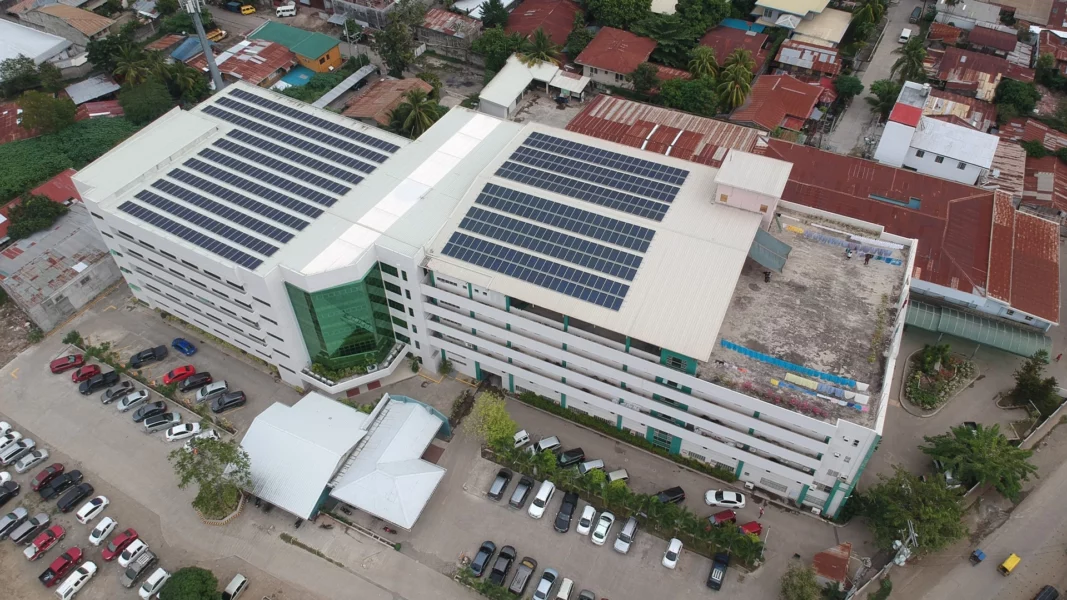
Solar power generates electricity using photovoltaic (PV) panels that convert sunlight into energy. Because Mindanao experiences strong sunlight year-round, solar energy has become one of the region’s most promising power sources.
Hydropower, meanwhile, uses flowing water from rivers and watersheds to spin turbines that generate electricity. Mindanao’s extensive river systems make the region ideal for hydropower development.
Unlike fossil fuels, both solar and hydropower rely on naturally replenished resources, helping reduce greenhouse gas emissions and improve long-term energy security.
What communities gain from solar projects
For many communities, solar projects can create new jobs and economic opportunities.
Construction of solar farms often requires engineers, electricians, drivers, laborers, and support workers. Once operational, facilities continue hiring personnel for maintenance, monitoring, and security.
Some landowners also earn additional income by leasing property to solar developers.
In areas with limited electricity access, community-based solar systems may also improve power availability for households and small businesses.
Solar energy also helps reduce air pollution because electricity is produced without burning fossil fuels.
However, large solar farms require wide land areas. Without careful planning, projects could compete with agricultural land or affect existing land use in nearby communities.
Experts say proper site selection and consultations with residents are important to balance energy development with local needs.
Hydropower brings stable power—but also concerns
Hydropower is considered a reliable energy source because it can generate electricity continuously as long as the water supply remains stable.
Aside from creating jobs during construction and operations, some hydropower projects also improve roads and local infrastructure in nearby areas.
But large dams and river projects can also affect communities and ecosystems.
Environmental experts warn that altering river flow may impact fish populations, water quality, and surrounding habitats. Some projects may also affect Indigenous Peoples and families who depend on rivers for fishing, farming, or daily livelihood.
Because of these risks, hydropower developments must undergo environmental assessments and community consultations before construction begins.
Will renewable energy lower electric bills?
Many consumers expect renewable energy projects to immediately reduce monthly electricity bills. In reality, the impact is often gradual.
One advantage of solar and hydropower is that they do not rely on costly fuel. Solar plants use sunlight, while hydropower uses flowing water, helping reduce exposure to volatile global fuel prices.
Over time, this can help stabilize electricity generation costs and strengthen Mindanao’s energy supply.
Still, consumers pay for more than power generation alone. Electric bills also include transmission, distribution, taxes, system losses, and other charges.
Building renewable energy infrastructure—including solar farms, dams, substations, and transmission lines—also requires major long-term investment.
Because these costs are recovered over several years, the financial benefits of renewable energy projects may not be immediately felt in household electricity bills.
Even so, energy experts say expanding renewable energy remains important for improving long-term energy stability, reducing pollution, and protecting consumers from future spikes in fossil fuel prices.