A state audit has found that Cagayan de Oro's current water rates are reasonable, offering consumers some assurance that water bills are unlikely to increase in the immediate future.
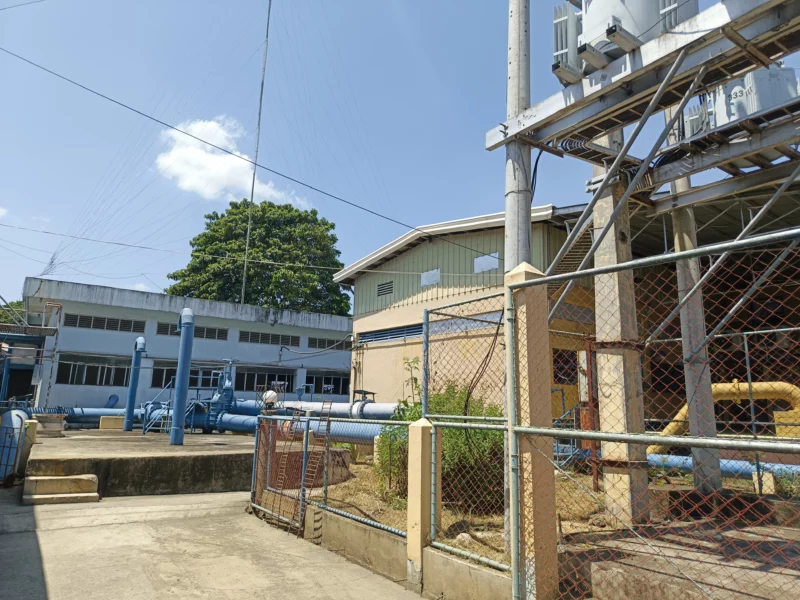
However, the same audit also highlighted major challenges facing the city's water system, including aging infrastructure and massive water losses that continue to strain the utility's finances.
The Commission on Audit (COA), in its SAO Audit Report No. 2026-02, concluded that the rates charged by the Cagayan de Oro City Water District (COWD) are not excessive and remain justified based on the utility's financial position.
For consumers, this means COWD is not earning more than what is needed to operate its services. However, utility officials argue that rates have remained unchanged for more than 14 years while costs for electricity, labor, maintenance, and debt payments have steadily increased.
Why COWD says it needs more revenue
COA reviewed COWD's finances using two standard methods for evaluating water rates.
Both showed that the district's actual revenue falls below the amount needed to fully cover operating expenses, debt obligations, and reserve requirements.
Despite this, auditors said the utility's revenues have been improving and noted that COWD has other income sources and investments that can help support operations.
Instead of increasing water rates, COA recommended that the district focus on reducing non-revenue water — treated water that never reaches consumers because of leaks, pipe breaks, illegal connections, or other losses. You may also like: Consumers pay more, COA flags COWD, COBI water deal
Half the water never reaches consumers
One of the audit's biggest findings is that nearly half of the water supplied by COWD is lost before it reaches customers.
The utility's non-revenue water rate stood at 49.5% in 2024, far above the 20% benchmark set by the Local Water Utilities Administration (LWUA).
COWD management argued that it has made significant progress in reducing water losses.
From 2019 to 2023, the district lowered its non-revenue water rate from 57.67% to 49.08%.
Officials compared their performance with Manila Water, saying both utilities achieved almost the same yearly reduction rate despite vastly different funding levels.
However, auditors said the improvements are still not enough to meet national standards and have yet to produce the desired results for a city facing water supply challenges.
Bulk water costs add pressure
The audit also pointed to rising bulk water costs as another factor affecting COWD's finances.
Water purchased through the district's joint venture with Cagayan de Oro Bulk Water Inc. increased from P11.52 per cubic meter to P21.60 per cubic meter by 2024, nearly doubling over the period reviewed.
COA recommended that COWD find ways to lower these costs, saying this could improve the utility's financial position without passing additional expenses on to consumers.
What it means for consumers
The audit suggests that higher water bills are not immediately necessary. Instead, state auditors believe COWD's priority should be fixing leaks, reducing water losses, and controlling bulk water expenses.
Until those issues are addressed, the utility remains caught in a difficult cycle: paying for water that is lost before it reaches customers while struggling to generate enough funds to upgrade the very infrastructure causing the losses.