CAGAYAN DE ORO CITY -- Nearly nine years after filing a formal complaint, Philippine communities affected by coal-linked power projects are still waiting for relief from the private sector arm of the World Bank—highlighting a complex, global accountability gap.
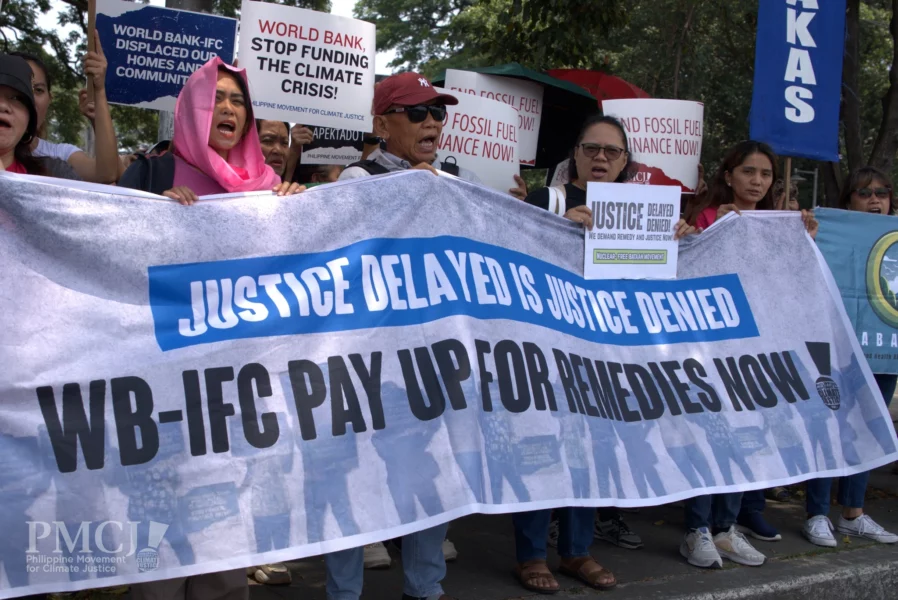
The Philippine Movement for Climate Justice (PMCJ) is renewing its call for the International Finance Corp. (IFC) to deliver compensation, environmental cleanup, and stronger safeguards. The prolonged delay, advocates argue, exposes a critical flaw in how international development funds are monitored when routed through local commercial banks rather than directly to projects.
The mechanism: How the funding flowed
The root of the issue lies in a grievance filed in October 2017 with the Compliance Advisor Ombudsman (CAO), the independent accountability mechanism for the IFC.
The complaint detailed how the IFC indirectly supported 19 coal-fired power projects in the Philippines through its client, Rizal Commercial Banking Corp. (RCBC). Advocates alleged that these projects failed to meet the IFC's own environmental and social standards, exposing surrounding communities to severe pollution and economic disruption.
Read also: Climate group flags FDC solar amid coal expansion
Following initial investigations, the CAO deemed 11 of the 19 projects eligible for further review. These include major facilities spread across Luzon and Mindanao, specifically in Davao, Sarangani, and Lanao del Norte.
The ground impact
While the bureaucratic review stretches near a decade, the PMCJ notes that the daily reality for communities in the southern Philippines continues to worsen. Residents living near the flagged projects report persistent issues, including:
Loss of livelihood: Severe damage to traditional fishing grounds and agricultural farmland.
Health crises: Rising cases of respiratory and skin conditions linked to plant emissions.
Displacement: Coastal communities forced to relocate inland.
In Lanao del Norte, some fisherfolk were relocated inland to make way for a coal facility, forcing them into a daily struggle of commuting back toward the plant just to access the sea and their source of income.
“This is about livelihoods and health, not just energy,” the PMCJ stated.
The big picture: Setting a global precedent
The PMCJ is elevating the case during the World Bank and International Monetary Fund (IMF) Spring Meetings, pressing for concrete remedies rather than further administrative delays.
The resolution of this Philippine complaint carries heavy global implications. As international financing increasingly relies on "financial intermediaries"—routing money through local commercial banks rather than funding infrastructure directly—the IFC's response will set a precedent for how, or if, harmed communities can successfully demand accountability.
Advocates stress that for the system to work, there must be a clear pathway for the public to file complaints through bodies like the CAO, engage civil society watchdogs, and actively monitor locally funded projects with international ties.
For the affected Filipino communities, the central question remains unanswered: When local harm is tied to global funding, how long does it take to get real relief?