CAGAYAN de Oro City — The Department of Migrant Workers-10 (DMW-10) has shut down 19 illegal recruitment agencies and helped arrest about nine suspected illegal recruiters in Northern Mindanao this year, as the agency steps up protection for overseas Filipino workers (OFWs).
DMW-10 Regional Director Emmanuel Toledo said the agency is monitoring online recruitment posts and coordinating with the Philippine National Police, National Bureau of Investigation and other law enforcement agencies for enforcement operations.
The agency is also working with the Cybercrime Investigation and Coordinating Center to monitor online illegal recruitment and assess emerging threats to migrant workers.
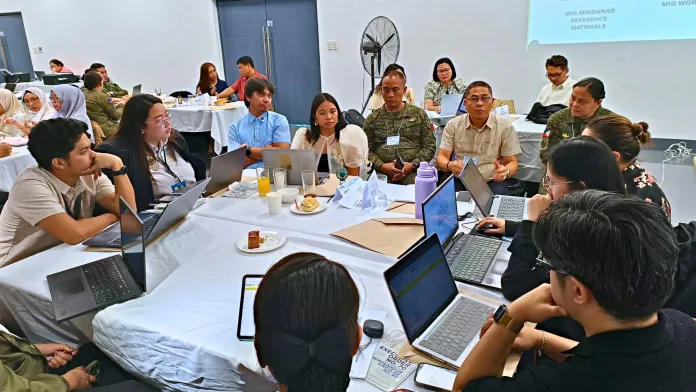
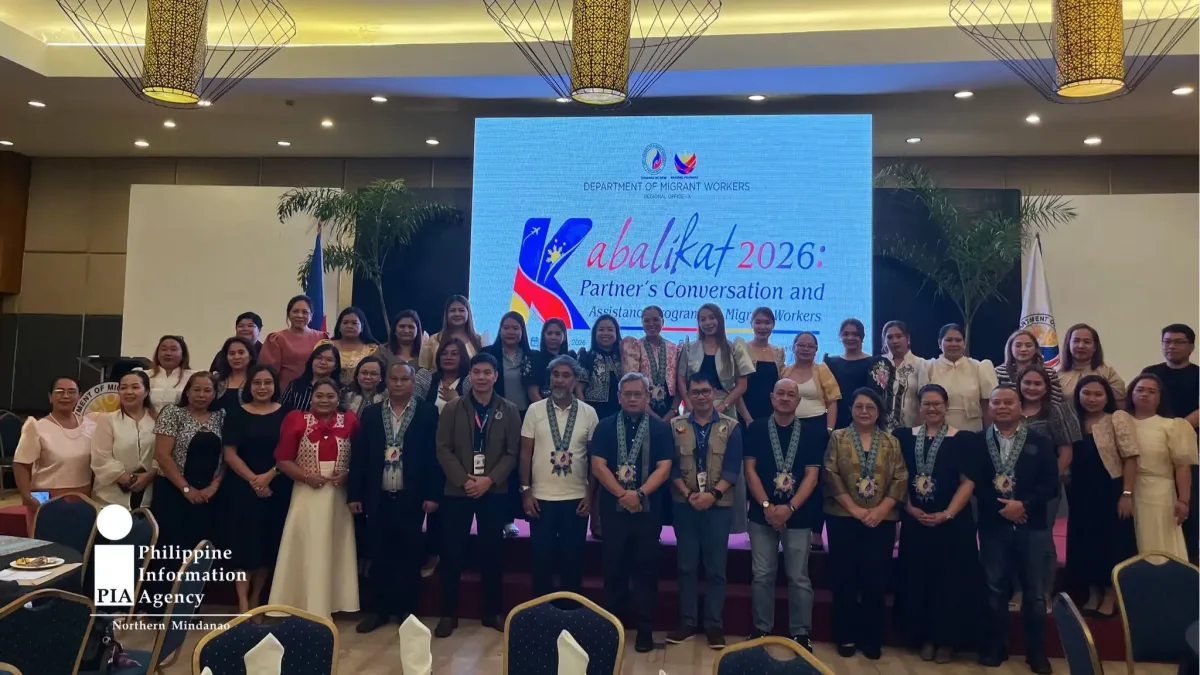
The figures were discussed during KABALIKAT 2026: Partners’ Conversation and Assistance Program for Migrant Workers on Aug. 24 in Cagayan de Oro City, where government agencies and other stakeholders discussed recruitment risks and support for returning OFWs.
Assistance for returning OFWs
For OFWs returning to Northern Mindanao, DMW-10 has provided livelihood and financial assistance to help them restart their livelihoods in their communities.
Under its Enhanced Livelihood Program for OFW Reintegration, the agency released ₱780,000 to 52 beneficiaries.
Another 23 beneficiaries received ₱345,000 through the Enhanced Livelihood Development Assistance Program, while 29 beneficiaries received ₱435,000 under the Enhanced Balik Pinay, Balik Hanapbuhay program.
DMW-10 also implements livelihood assistance for OFW returnees. Applicants must prove their OFW status, complete the required documents and identify the livelihood project they plan to establish or support.
The agency said it monitors how beneficiaries use the assistance through submitted photos and actual field monitoring.
OFW-made products were also showcased during KABALIKAT through the Buy Local by OFWs initiative, giving returning workers a venue to promote their livelihood products.
Workers urged to verify recruiters
DMW-10 reminded prospective OFWs to use legal and verified recruitment channels before leaving the country.
Workers should verify their employment arrangements, secure a verified employment contract and complete required documents, including the Overseas Employment Certificate (OEC).
These steps can help workers determine whether their recruitment and employment arrangements have undergone the required verification before they leave the country.
DMW-10 is also working with local government units to bring services closer to OFWs and their families.
Toledo said the agency has signed 11 memoranda of agreement with LGUs, while some municipalities and cities are setting up OFW Help Desks through offices such as the Public Employment Service Office.
The agency also reported visits to about 10 accommodations where OFWs were allegedly found living in unsafe or inhumane conditions.
Toledo said DMW plans to establish provincial offices next year to make its services more accessible to OFWs and their families.
“Our direction next year is to establish provincial offices to make our presence felt by the OFWs and their families in the respective provinces,” Toledo said. (With a report from JKAB/PIA-10)